
Last updated November 15, 2026
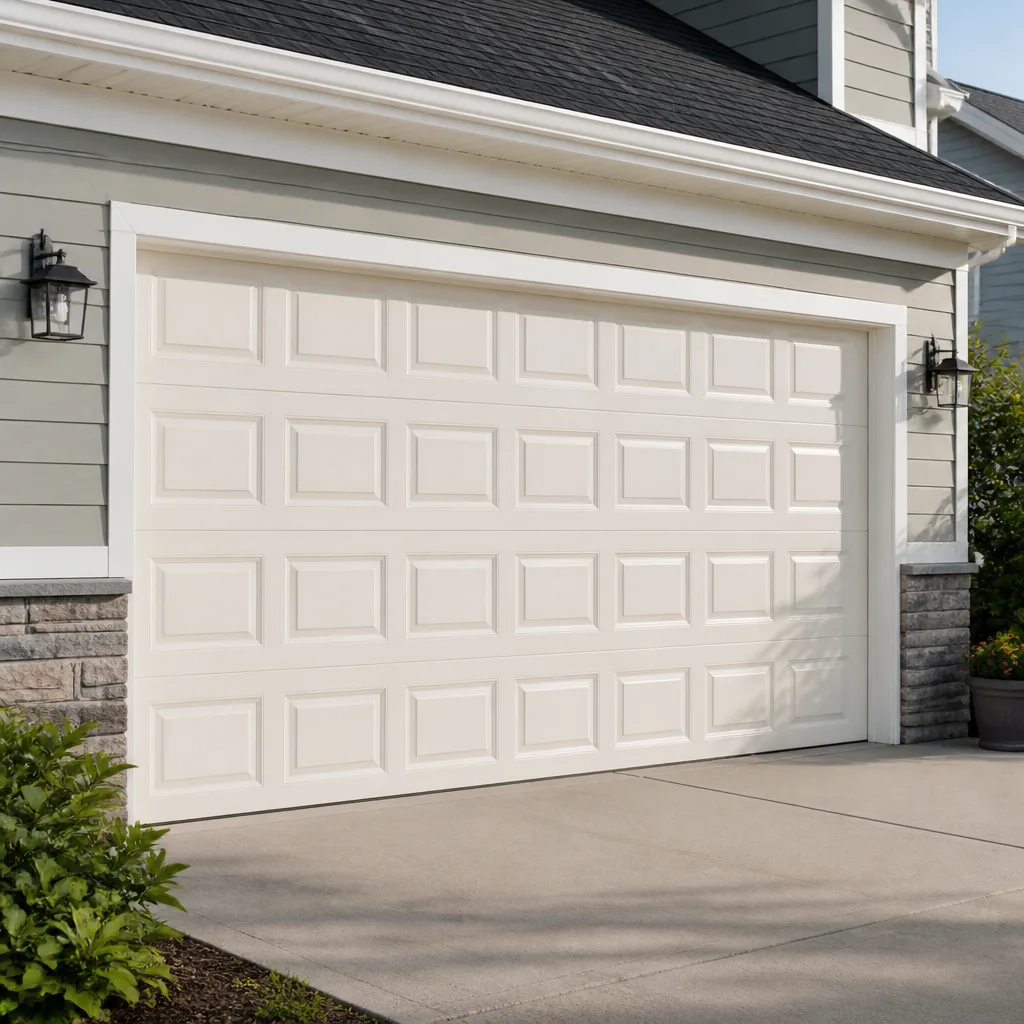 Raised-panel steel
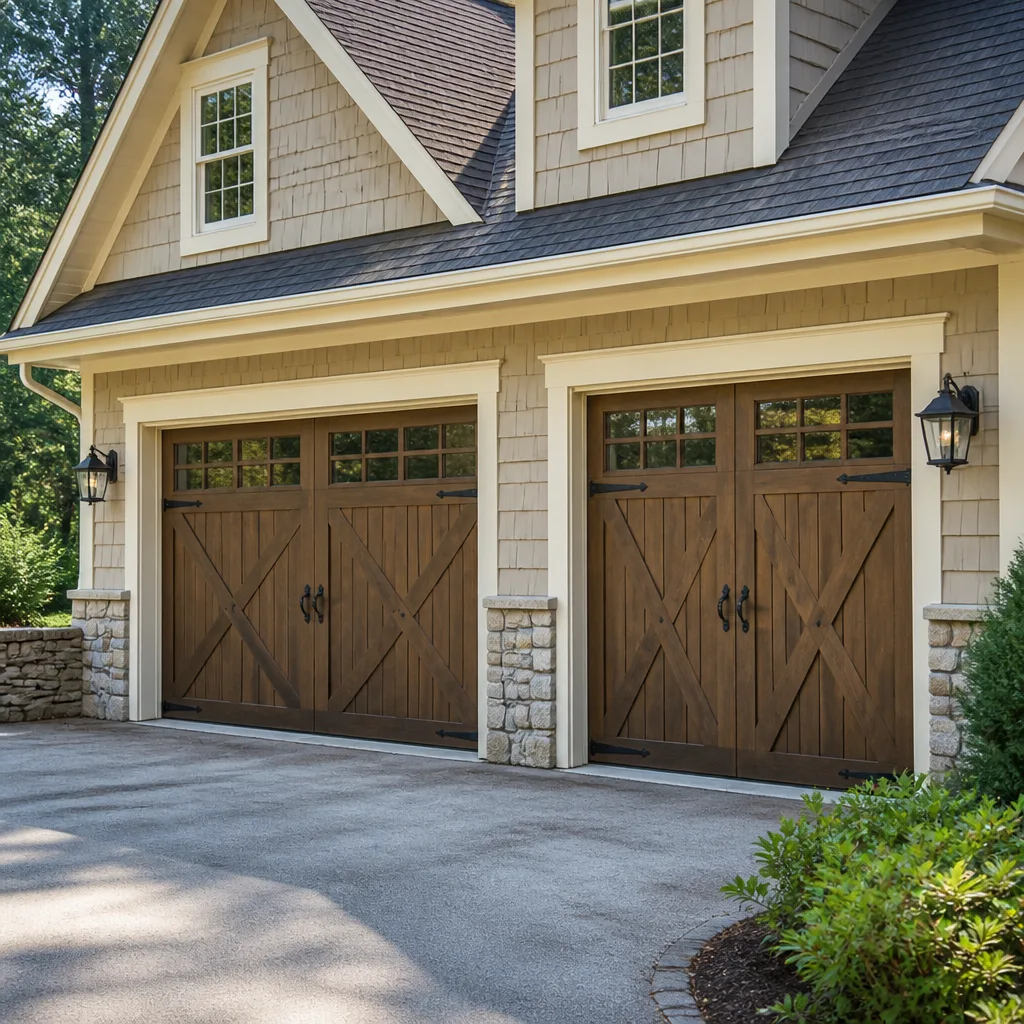 Carriage house
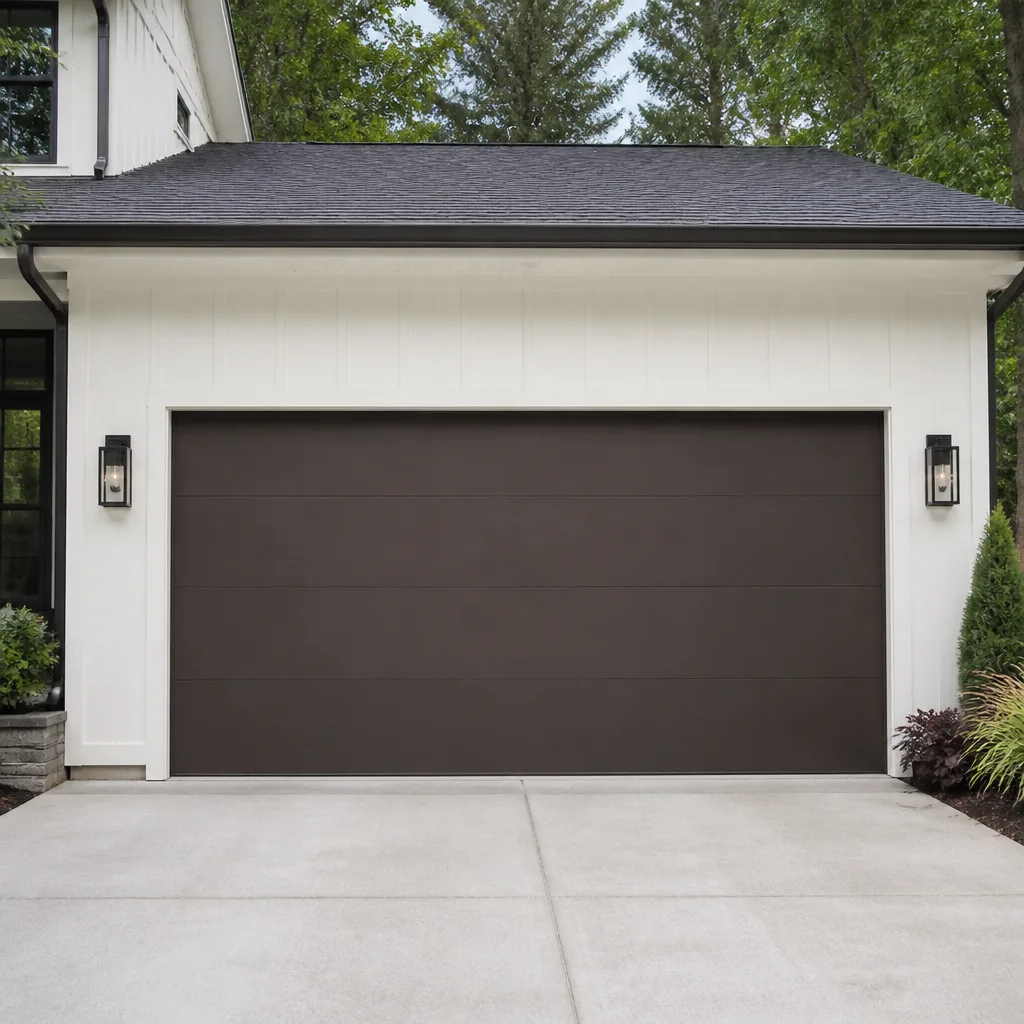 Modern flush
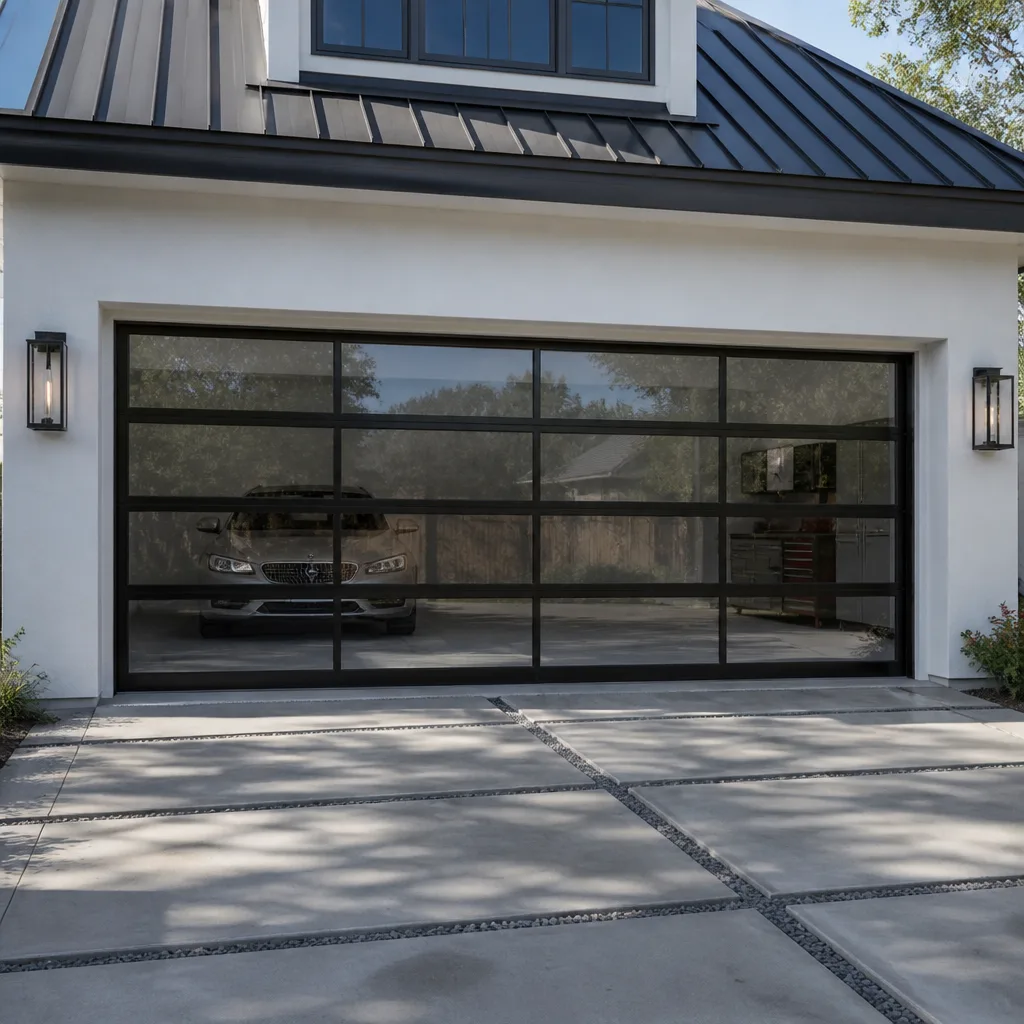 Full-view glass
 LiftMaster openers
 Chamberlain openers
Full 25-point door and opener safety check with every visit - springs, cables, rollers, tracks, and your LiftMaster or Chamberlain opener included
You get a price before we start. It does not change when the pro arrives.
Get your free estimateGarage Door Emergency Preparedness Guide for Lehigh Acres Homes
Most garage door disasters don’t start with a broken spring. They start with a storm rolling in, the power going out, and a homeowner standing in a dark garage who has never once touched the manual release cord. If that sounds familiar, you’re not alone. In our experience across Lehigh Acres, the door that traps a family after a power outage is usually in perfect working order. The gap is preparation, not parts. This guide walks through how to open your door by hand on the opener brands most common here, how to inspect a door after a named storm before you touch the button, what to do when a door is stuck open with weather coming, and the five things worth doing in the 48 hours before a hurricane reaches Lehigh Acres.
Quick Answer
Garage door emergency preparedness in Lehigh Acres comes down to three things: knowing exactly where your manual release cord is and how to pull it before you need it, having a pre-storm checklist you actually run, and knowing how to tell whether a door is safe to operate after a storm. If you pull the release and the door still won’t move, the spring or cable has failed and it needs a trained technician. Call (844) 522-0595; we answer 24/7, with fast dispatch from 7am to 7pm, Sunday through Friday.
Styles & brands we work with
- Raised-panel steel
- Carriage house
- Modern flush
- Full-view glass
- LiftMaster openers
- Chamberlain openers
Table of Contents
- How Do You Open a Garage Door by Hand? Step-by-Step for Every Common Opener
- What If the Release Cord Is Painted Over or Out of Reach?
- How Do You Inspect a Garage Door After a Storm?
- What Do You Do When the Door Is Stuck Open Before a Storm?
- Pre-Storm Checklist: Five Things to Do in the 48 Hours Before a Hurricane
- What Information Should You Keep Ready for an Emergency Call?
- Should You Test Your Release, and When?
- A Few Questions We Get Asked After Every Storm
How Do You Open a Garage Door by Hand? Step-by-Step for Every Common Opener
To open a garage door by hand, you pull the release cord hanging from the opener trolley, then lift the door yourself. That’s the whole trick. The cord disconnects the door from the opener motor so the door moves on its springs alone, and most residential doors are sprung to lift at a manageable weight. What matters is doing it in the right order and knowing which cord you’re reaching for on your specific opener.
The three brands we see most often in Lehigh Acres homes are LiftMaster, Chamberlain, and Genie, plus builder-grade Craftsman units. The release system is similar across them, but the cord hangs in slightly different places.
- Make sure the door is fully closed. Pull the release when the door is down, never partway up. A partially open door under tension can slam.
- Find the cord. It hangs from the rail or trolley near the center of the ceiling track. On LiftMaster and Chamberlain openers, look for a red or black T-handle. On Genie and Craftsman openers, it’s usually a shorter cord with a plastic grip.
- Pull straight down and toward the door. You’ll feel a firm click as the trolley disengages.
- Lift the door with both hands, slowly. If it feels far heavier than you’d expect, stop. That’s a sign of spring trouble.
- To re-engage, close the door fully, then pull the cord once more in the same direction until the trolley clicks back into the carrier. Run the opener once to confirm it catches.
Practice this on a calm day. That’s the single most useful hour you’ll spend on your garage all year. If the door won’t budge or won’t stay up after a release, don’t force it. A failed spring is behind most stuck doors, and springs are the one component we’d never tell a homeowner to work on. Book a garage door repair visit and we’ll diagnose it properly.
What If the Release Cord Is Painted Over or Out of Reach?
A painted-over cord still works. Score gently around it with a utility knife and work it loose with your fingers; you’re not cutting the cord, only the paint film bonding it to the rail. What you should never do is yank hard on a cord that feels stuck. The release mechanism is a small plastic piece, and pulling on a cord that’s been glued in place by years of paint can crack it.
Reach is the harder problem. Plenty of Lehigh Acres garages have high-lift tracks or overhead storage that puts the cord well above a step stool. If you can’t reach yours safely, here’s the order of options:
- Use a step stool and a helper. Steady the stool, and have someone spot you. Reaching over your head while balancing is how people fall.
- Add an extension cord. A short length of cord or a length of sturdy rope tied to the existing handle brings the release within reach. Tie it securely, and leave a knot that won’t slip under tension.
- Talk to a technician about a permanent fix. We can adjust or reposition the release handle so it’s accessible without a ladder. That’s a small job and it makes every future outage easier.
If your opener is a smart model, such as a LiftMaster with myQ, the app can tell you whether the door is open or closed, but it can’t move a door that’s disconnected from the motor. Manual release is the only way out of a dead-power situation.
How Do You Inspect a Garage Door After a Storm?
After a named storm, inspect the door before you press the button. The biggest mistake we see in Lehigh Acres is a homeowner hitting the opener on a door that has shifted on its tracks during high wind, and the opener dragging a bent panel along the rail and tearing up the whole system. A visual check takes two minutes and can save a much bigger repair.
Work through this sequence standing outside or just inside the garage, with the opener off:
- Look at the panels from the ground up. Any dented or creased panel means the door has taken an impact. A creased panel loses strength and can buckle the next time it lifts.
- Check the tracks. Vertical and horizontal tracks should be straight and evenly spaced. A track that has bent or pulled away from the wall is a stop sign. Don’t run the opener.
- Inspect the springs and cables. Look for a spring with a visible gap in the coil, or a cable that’s slack, frayed, or hanging loose. These are the dangerous components. Don’t touch them. Note what you see and call us.
- Look at the hinges and rollers. Rollers should sit in the track without wobbling. A roller popped out of the track means the door is running crooked.
- Check the seal and bottom edge. A warped bottom seal lets water and wind under the door. It’s a weather-seal replacement, not a safety issue.
- Test the balance with the door disconnected. Pull the release, lift the door partway by hand, and let go at hip height. It should hold. If it drops, the springs are compromised.
If everything looks straight and the door balances, run the opener once and watch the whole cycle. Any grinding, jerking, or uneven travel is worth a call to our garage door opener repair team.
What Do You Do When the Door Is Stuck Open Before a Storm?
A garage door stuck open with weather approaching is a real risk, not just for water intrusion but for wind getting under the door and damaging it. You’ve got three practical options, and the right one depends on how much time you have.
Option one: secure it with manual bracing. If the door is fully up and the opener won’t move it, you can sometimes lower the door by hand once it’s disconnected from the trolley. Close it fully, then use a brace or a clamp on the track to keep it from rising. This isn’t a permanent solution, but it blocks the opening.
Option two: protect the opening without moving the door. If the door won’t budge, cover the opening from the inside with plywood or storm panels rated for the wind load. That’s a job to plan before the season, not the hour before landfall.
Option three: call for a repair before the storm reaches Lehigh Acres. If you have 24 to 48 hours of warning, a technician can often diagnose and fix the actual failure – a snapped cable, a disengaged trolley, a dead opener. Call (844) 522-0595. We answer 24/7, and we dispatch from 7am to 7pm, Sunday through Friday.
What you should not do is leave the door open and hope. Wind-driven rain in a garage can reach anything stored along the back wall, and a door that’s up during a storm can catch a gust and damage its own tracks.
Pre-Storm Checklist: Five Things to Do in the 48 Hours Before a Hurricane
In the 48 hours before a hurricane reaches southwest Florida, run this list. Each item takes a few minutes, and together they prevent most of the post-storm calls we take in Lehigh Acres.
- Test the manual release on every opener in the house. Pull it once, lift the door halfway, let go and confirm it holds. If it holds and the door re-engages cleanly, you’re ready for a power outage.
- Clear the garage floor and the track area. Anything stored against the door or under the tracks becomes a projectile if the door moves or wind gets in. Move boxes and bins to the back wall or a closet.
- Lubricate the moving parts. A quick pass with a proper garage door lubricant on the hinges, rollers, and spring coils keeps everything running smoothly after a long idle period. Never use a wet spray that attracts grit.
- Check the weather seal at the bottom of the door. A flap that’s cracked or missing lets wind-driven rain in. Replace it before the storm.
- Confirm your opener’s backup battery or emergency handle works. Many LiftMaster and Chamberlain units have a battery backup that lifts the door once or twice after a power cut. Test it now, not during an outage.
Add one habit to that list: know the state of your spring. If your door has been creaking or sluggish for weeks, that’s a warning sign. Get it looked at before the wind picks up. Call (844) 522-0595 for a free estimate.
What Information Should You Keep Ready for an Emergency Call?
When you call us in the middle of a power outage, the information that helps most is: your address, the opener brand, and what you already tried. Having those details written down in a place you can find in the dark speeds things up considerably.
Here’s what to keep accessible – a note taped to the inside of the garage wall works fine:
- Opener brand and model number. It’s printed on a sticker on the back of the opener motor unit. Knowing it’s a Genie or a Chamberlain tells us exactly which parts to bring.
- Door make and rough size. If you know it’s a Clopay or a Wayne Dalton, note that too. It helps us understand the panel construction.
- Spring type. Torsion springs (mounted on a bar above the door) versus extension springs (run along the tracks on either side) – a quick phone photo of the springs tells us everything.
- What you’ve tried. “Pulled the release, door won’t lift” or “Opener runs but door doesn’t move” are the two descriptions that get us moving fastest.
- Your emergency contact. If the door is stuck open and you’re not home, we need to know who to reach.
Snap a photo of the opener sticker and the springs and keep it in your phone. That one photo saves ten minutes on the phone when you’re standing in a dark Lehigh Acres garage. If you’d rather not dig around, just call and describe it, and our team will walk you through what to look for.
Should You Test Your Release, and When?
Yes. Test your manual release at least twice a year, and always before hurricane season. A release cord that’s been sitting untouched for years is the single most common reason a door won’t open when the power fails.
Here’s a simple habit to build: on the first weekend of the month, before the weather turns, run the release test. Pull the cord, lift the door a little, let go, lower it gently, then re-engage. It takes under a minute. Do the same for the opener’s battery backup if your unit has one.
If the door won’t stay up when you release it, or the trolley won’t re-engage, don’t keep trying. Call us. A door that drops on release is a spring problem, and a door whose trolley won’t catch has a worn carrier. Either one is a quick fix, but neither is a safe one to leave.
A Few Questions We Get Asked After Every Storm
In our experience, the same handful of questions comes up in Lehigh Acres after a storm. The one most homeowners ask first is whether a door that “looks fine” is actually fine. Short answer: it’s not always obvious, and the balance test in the post-storm section is the best single check you can do. The second is whether they should just replace the door. Usually no – a bent track or a failed spring is a repair, not a replacement.
The third is what happens if they can’t reach the release cord. That’s covered above, and it’s worth fixing permanently, not just during storm season. The fourth is how to know if a technician is the right call at all. A door that won’t balance, a door that’s left its tracks, or a door whose opener runs without moving it – those are all professional territory.
For anything else, call and describe what you see. We work on the brand that’s already in your garage, whether that’s a LiftMaster opener on a Raynor door or a builder-grade Chamberlain on a Wayne Dalton. Visit our Pilgrim Garage Door Repair page for the full range of services, and see Lehigh Acres for local details.
Common Mistakes to Avoid
- Never pull the manual release when the door is partway open. The door is still under load, and it can drop hard. Always release from the fully closed position.
- Don’t force a stuck door with brute force. If you pull and it won’t lift, the springs or cables have failed. Pushing harder can snap a cable, which is genuinely dangerous.
- Don’t run the opener after a storm before you look at the door. A bent track or shifted panel plus a running motor equals a much bigger repair.
- Don’t paint over the release cord. It doesn’t break the release, but it makes the cord hard to find in the dark. If you’re painting the garage, tape a plastic bag over the cord and the opener trolley first.
- Don’t assume your opener has a battery backup. Plenty of older units don’t. If yours doesn’t, the manual release is your only option in an outage.
- Don’t leave the garage door open “just for a minute” during storm prep. Wind gusts pick up fast in Lehigh Acres. Close the door before you leave the driveway.
- Don’t store heavy items against the door or the tracks. Anything leaning on a track can bend it, and a bent track means an emergency call.
See the difference
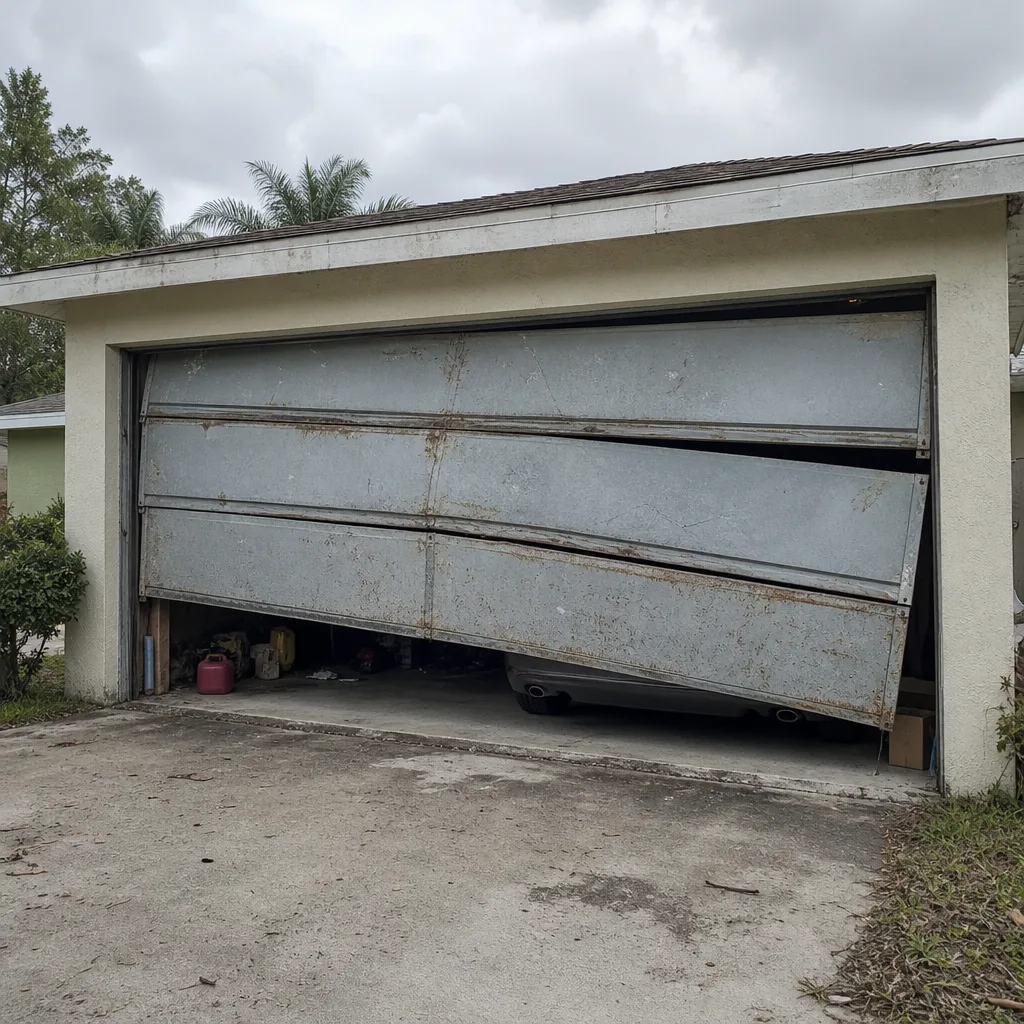 Before
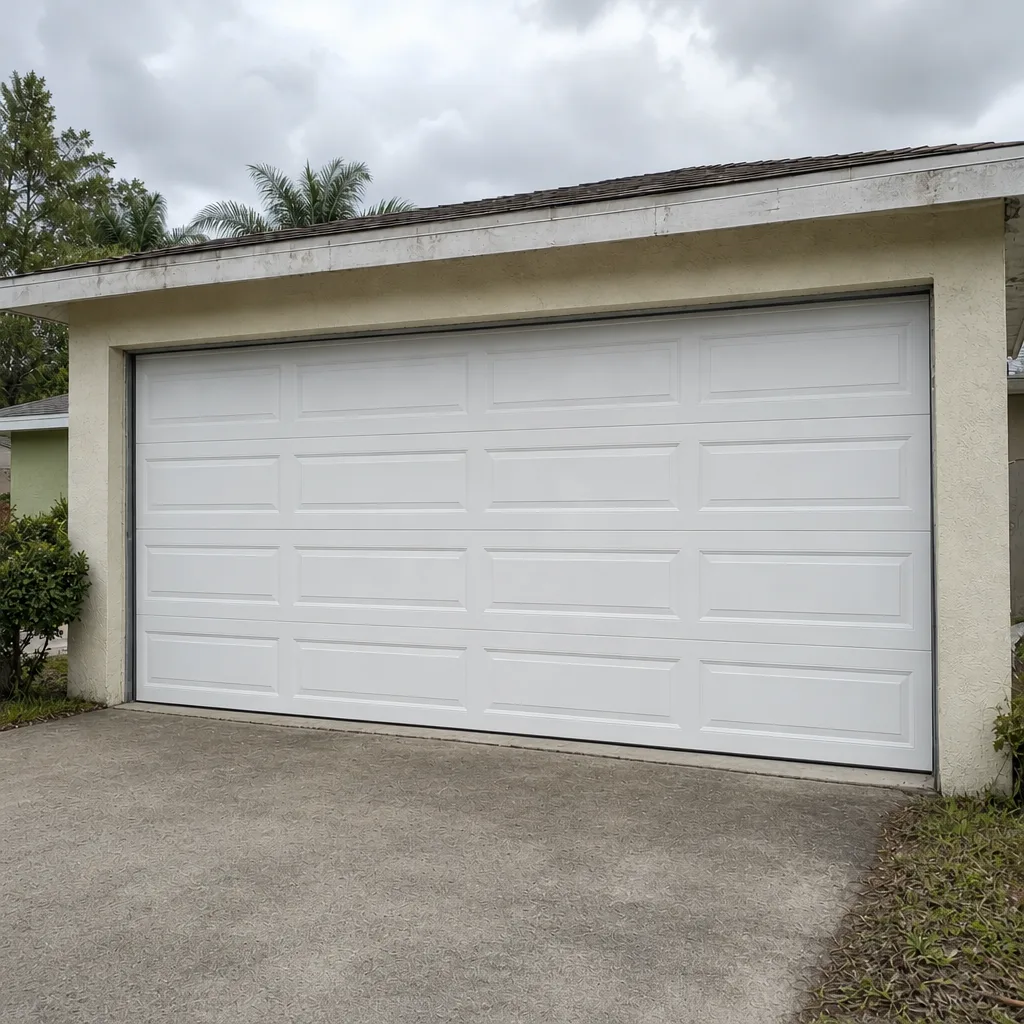 After
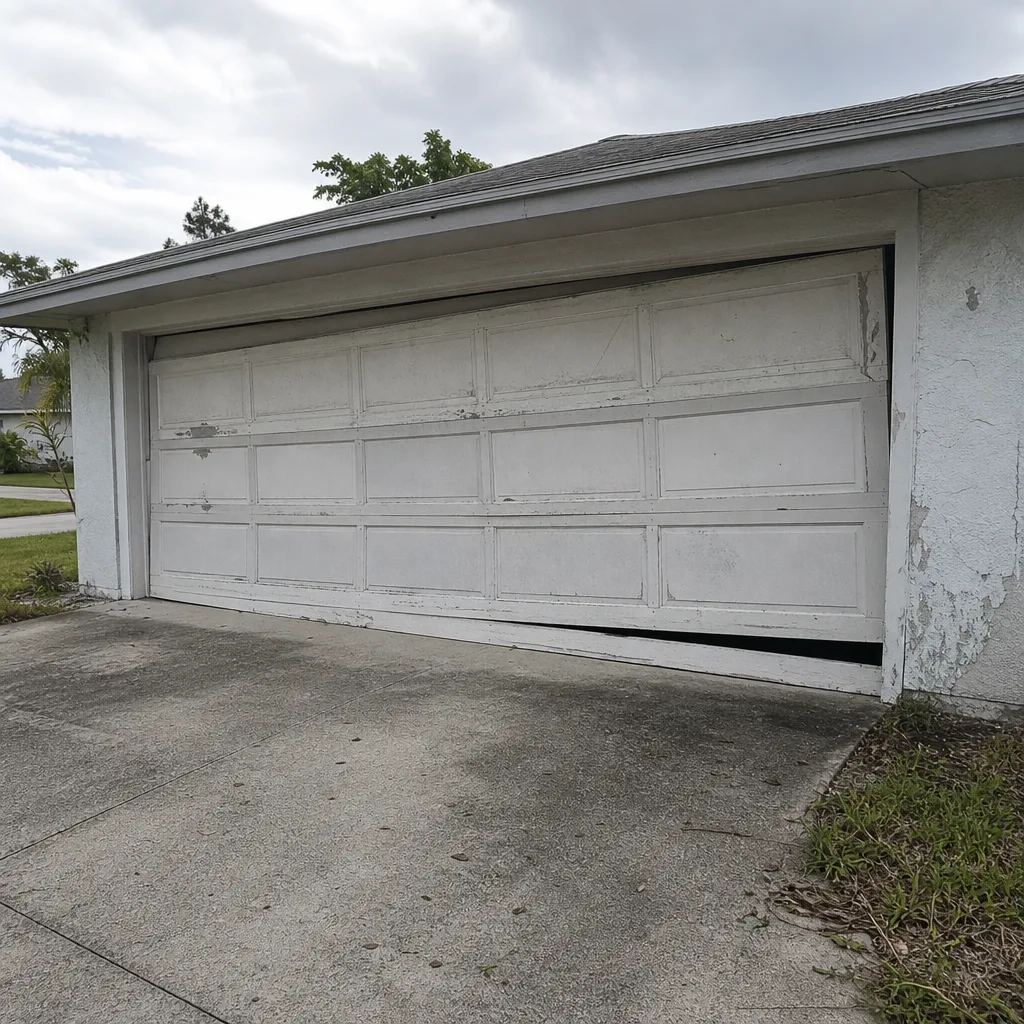 Before
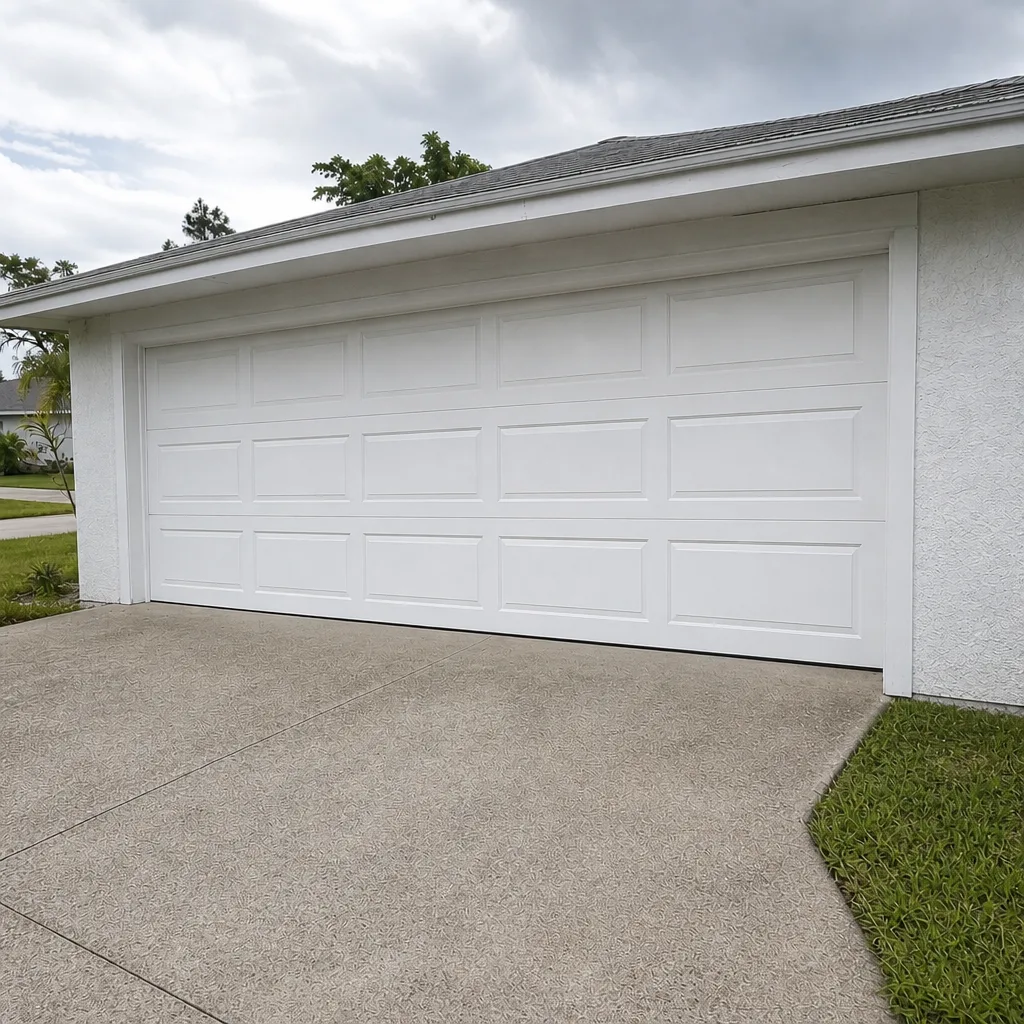 After
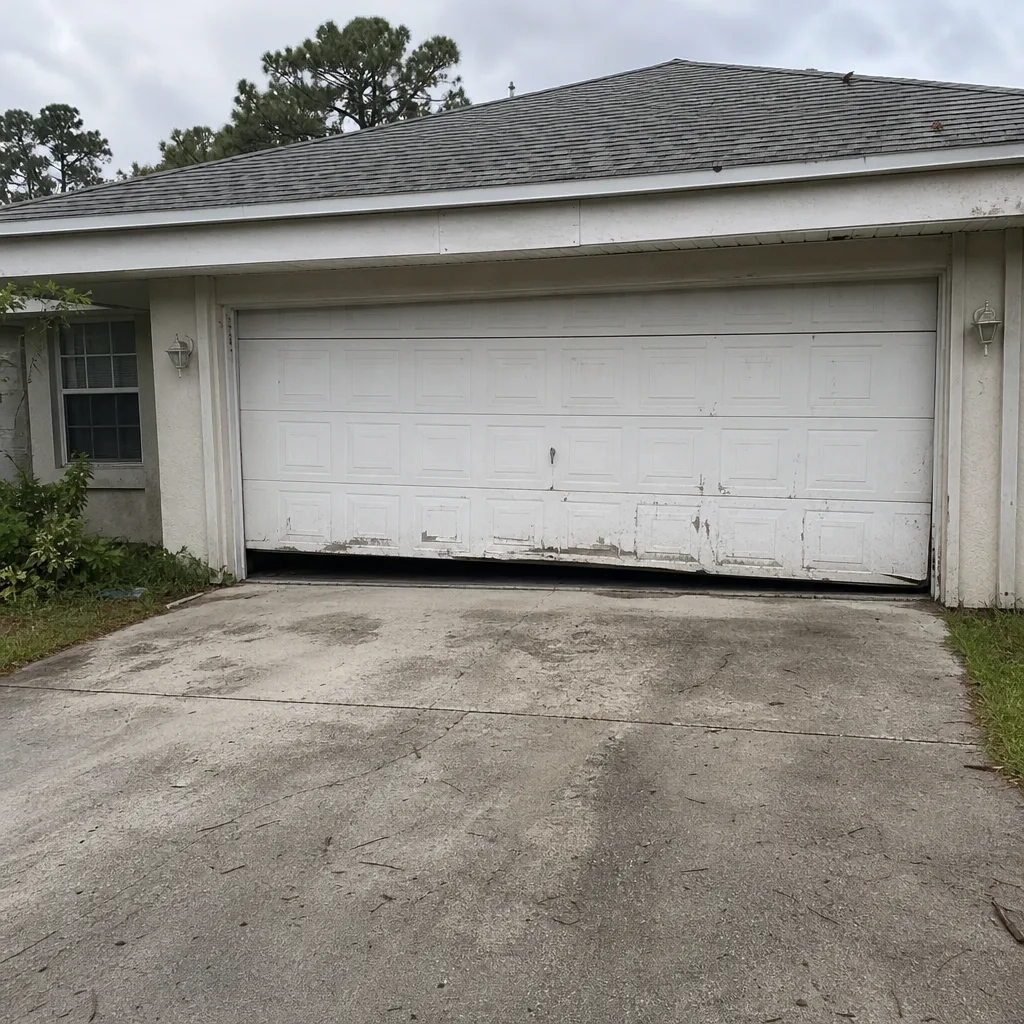 Before
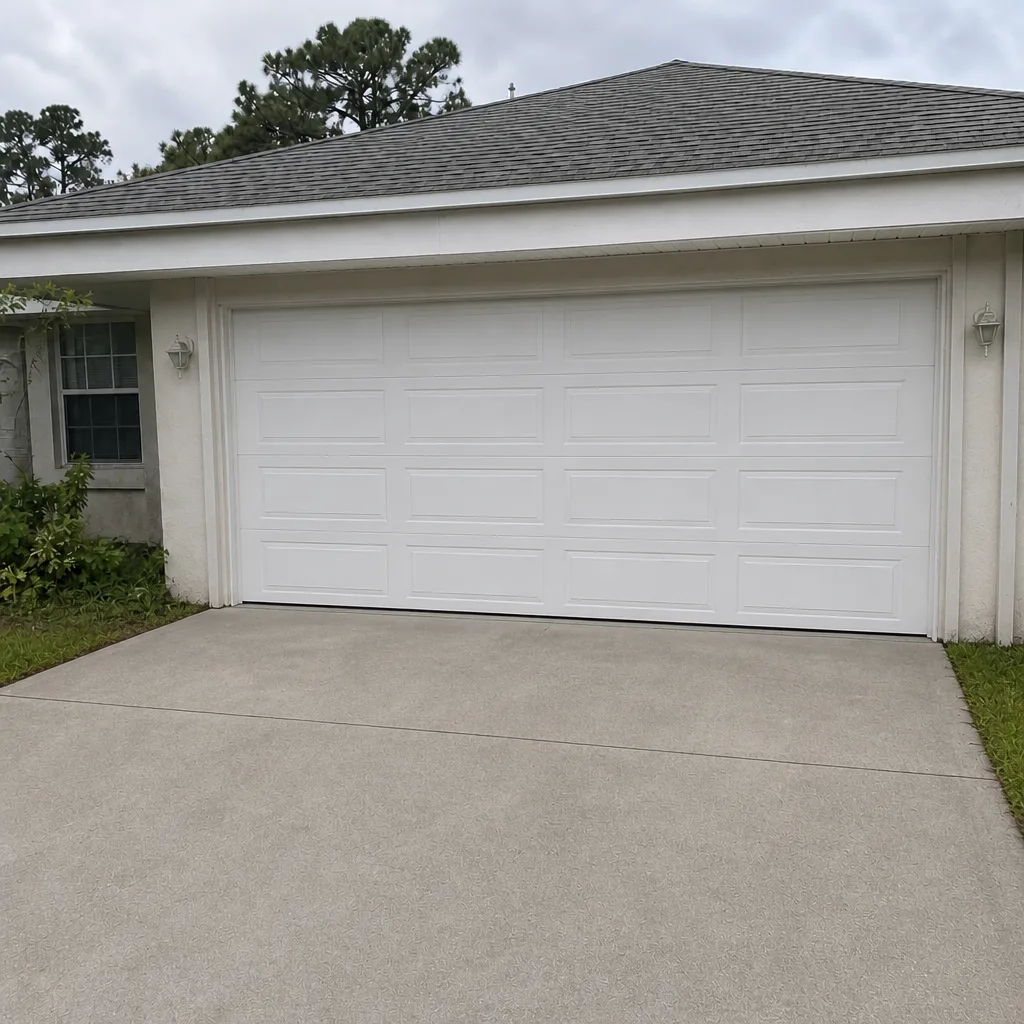 After
When to Call a Professional
Call a professional if the door won’t lift by hand after you pull the release, if the release won’t re-engage, if a spring shows a visible gap, or if the door has left its tracks. Those are the four situations where a homeowner’s best move is to stop. You should also call if the opener runs but the door doesn’t move, if the door travels unevenly, or if the door has any visible panel damage after a storm. Spring, cable, and track work is dangerous, and it’s a skilled job; we don’t walk anyone through it over the phone. Pilgrim Garage Door Repair offers free estimates in Lehigh Acres – call (844) 522-0595. We answer 24/7, with fast dispatch from 7am to 7pm, Sunday through Friday.
Frequently Asked Questions
Pull the release cord hanging from the opener trolley, then lift the door by hand. The cord disconnects the door from the motor so it moves on its springs. Make sure the door is fully closed before you pull, never partway open. If it won’t lift after the release, something is broken and you should call us. Call (844) 522-0595 – estimates are free.
It hangs from the rail or trolley near the center of the ceiling track, usually with a red or black T-handle. On Genie and Craftsman units, look for a shorter cord with a plastic grip. If you can’t reach it, an extension tied to the handle brings it into range. Call (844) 522-0595 if you need help identifying yours.
Check for dented panels, bent tracks, gaps in the springs, and slack or frayed cables before you run the opener. Pull the release and test whether the door holds when lifted partway; if it drops, don’t use it. A full inspection takes two minutes. Call (844) 522-0595 for a free estimate if anything looks off.
It’s safe if the door is fully closed, the spring is intact, and the door balances when you lift it. It’s not safe if the door feels extremely heavy, drops when you let go, or has a visible cable or spring failure. In those cases, leave the door alone and call us. Call (844) 522-0595 – we answer 24/7.
Cost depends on the failure, and we quote it before any work starts. A spring repair, a track realignment, and a trolley replacement all fall in different ranges, so we diagnose first and give you a written estimate. There’s no charge for the estimate. Call (844) 522-0595 for an exact quote.
No. The written estimate sets the price before we start. If we find something different once the door is opened up, we tell you and you approve any change before we continue. Call (844) 522-0595. The estimate is free and the price is agreed up front.
The Bottom Line
Garage door emergency preparedness in Lehigh Acres is mostly about two skills: knowing how to release your door by hand, and knowing how to look at it after a storm before you press the button. Practice the release on a calm day, keep a photo of your opener and springs in your phone, run the five-item pre-storm checklist, and don’t force a door that won’t lift. Those habits prevent most of the calls we take after a hurricane. If something’s already wrong – a spring, a track, or an opener – call (844) 522-0595 for a free estimate. We answer 24/7, with fast dispatch from 7am to 7pm, Sunday through Friday.
Written by the team at Pilgrim Garage Door Repair.