
Last updated November 15, 2026
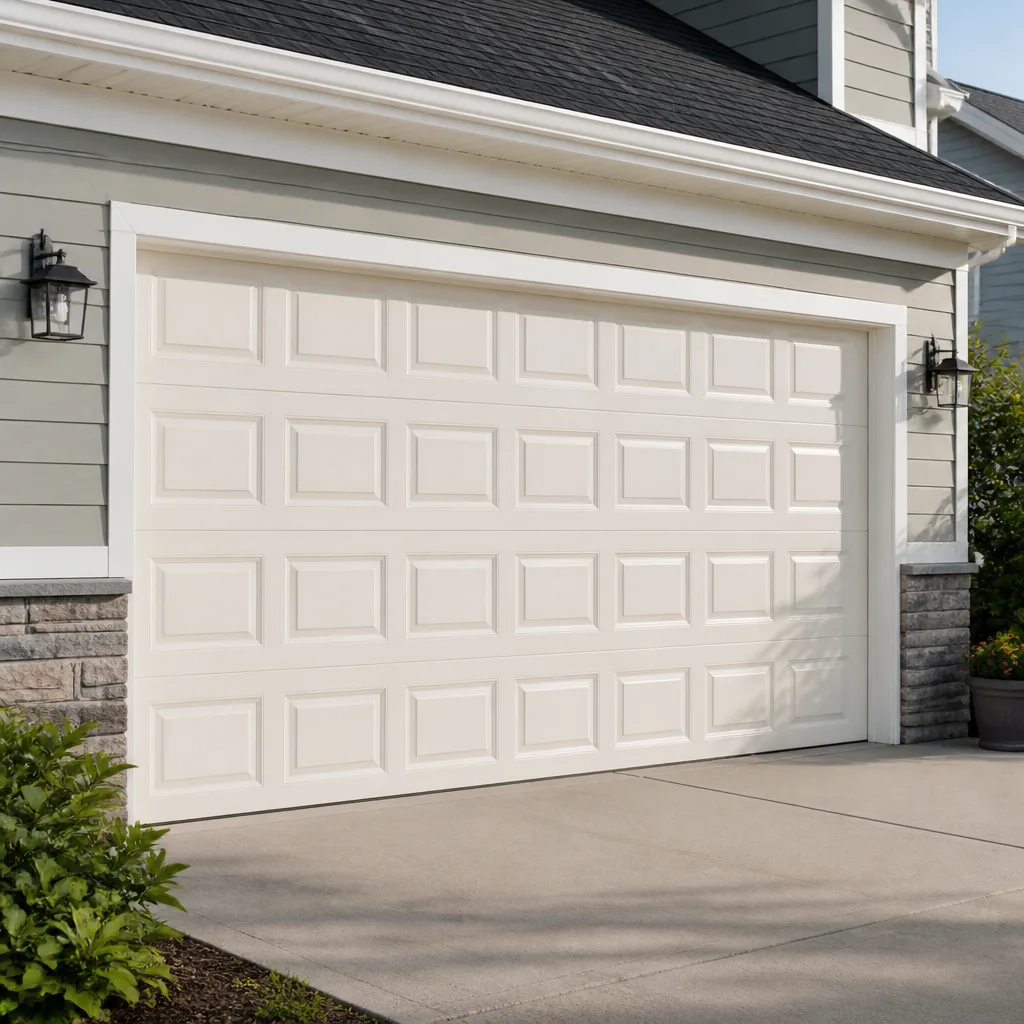 Raised-panel steel
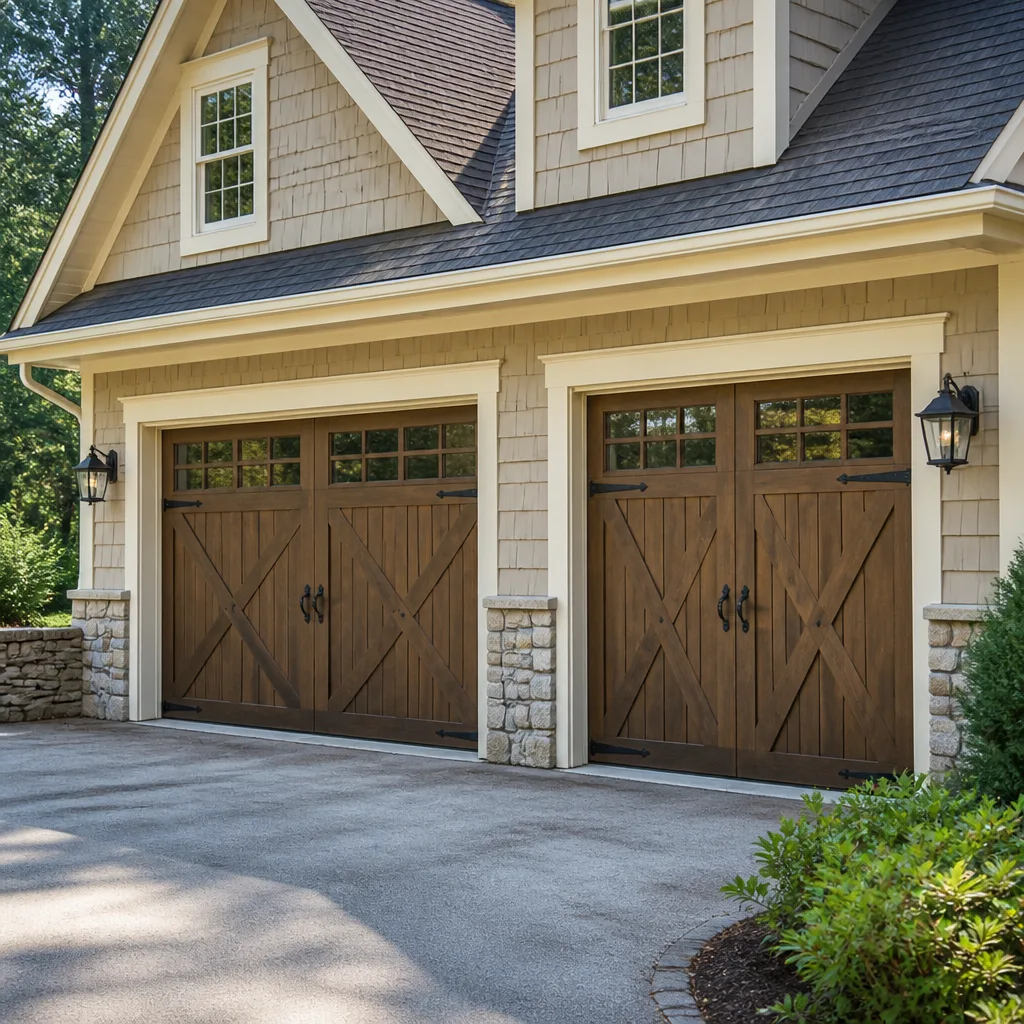 Carriage house
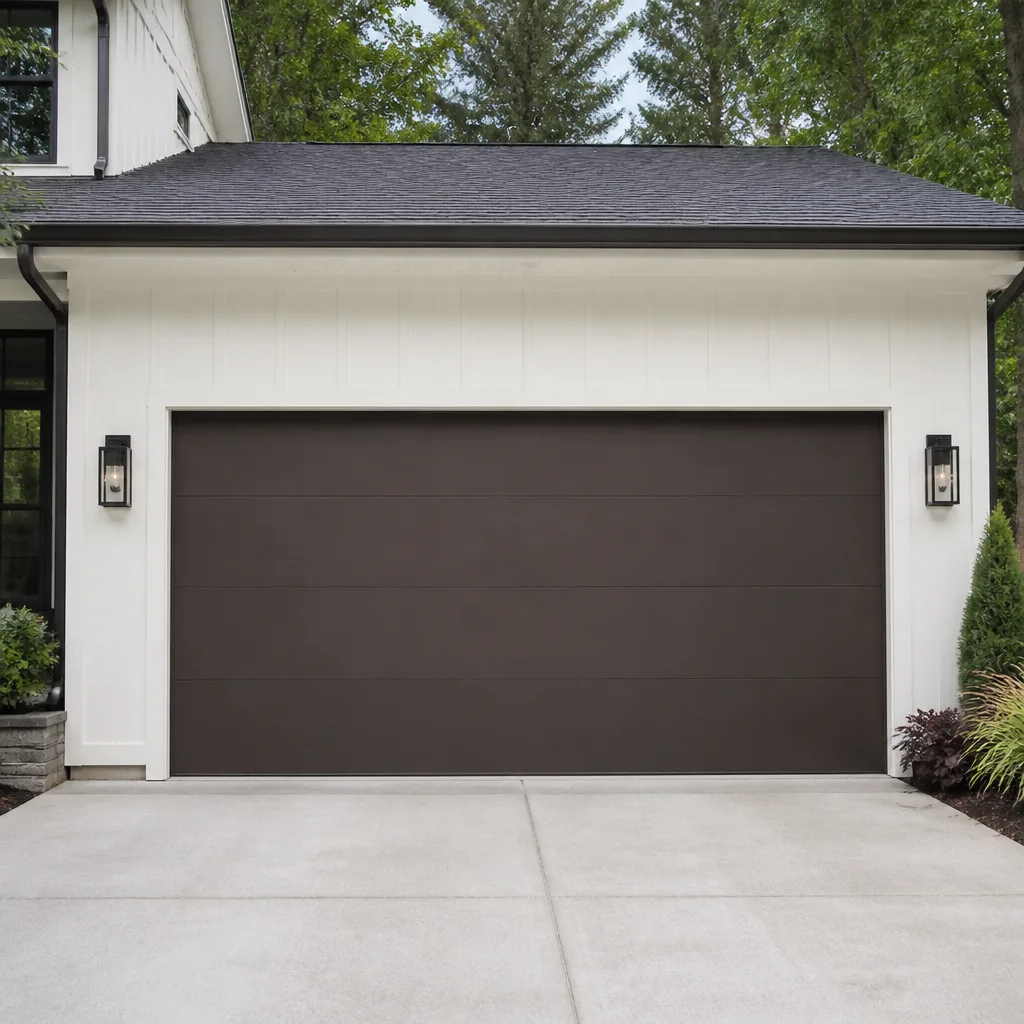 Modern flush
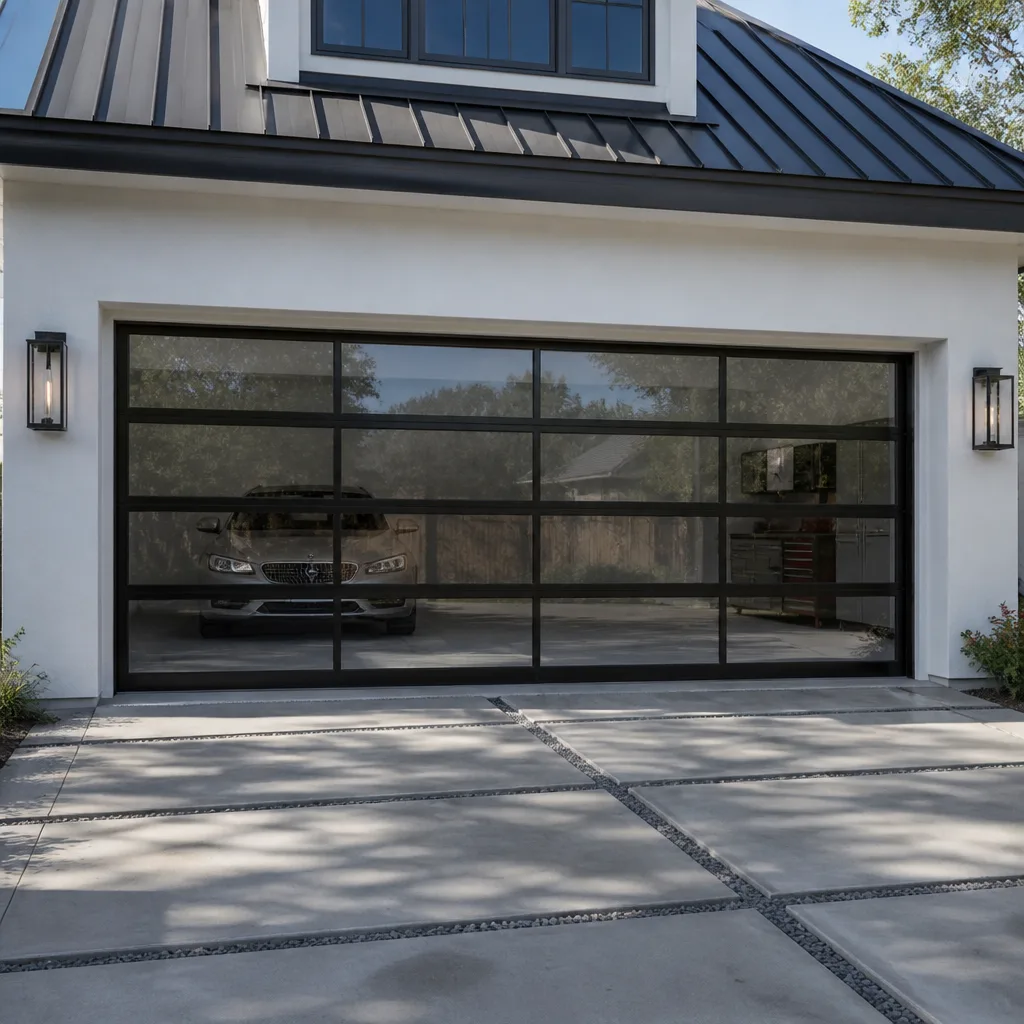 Full-view glass
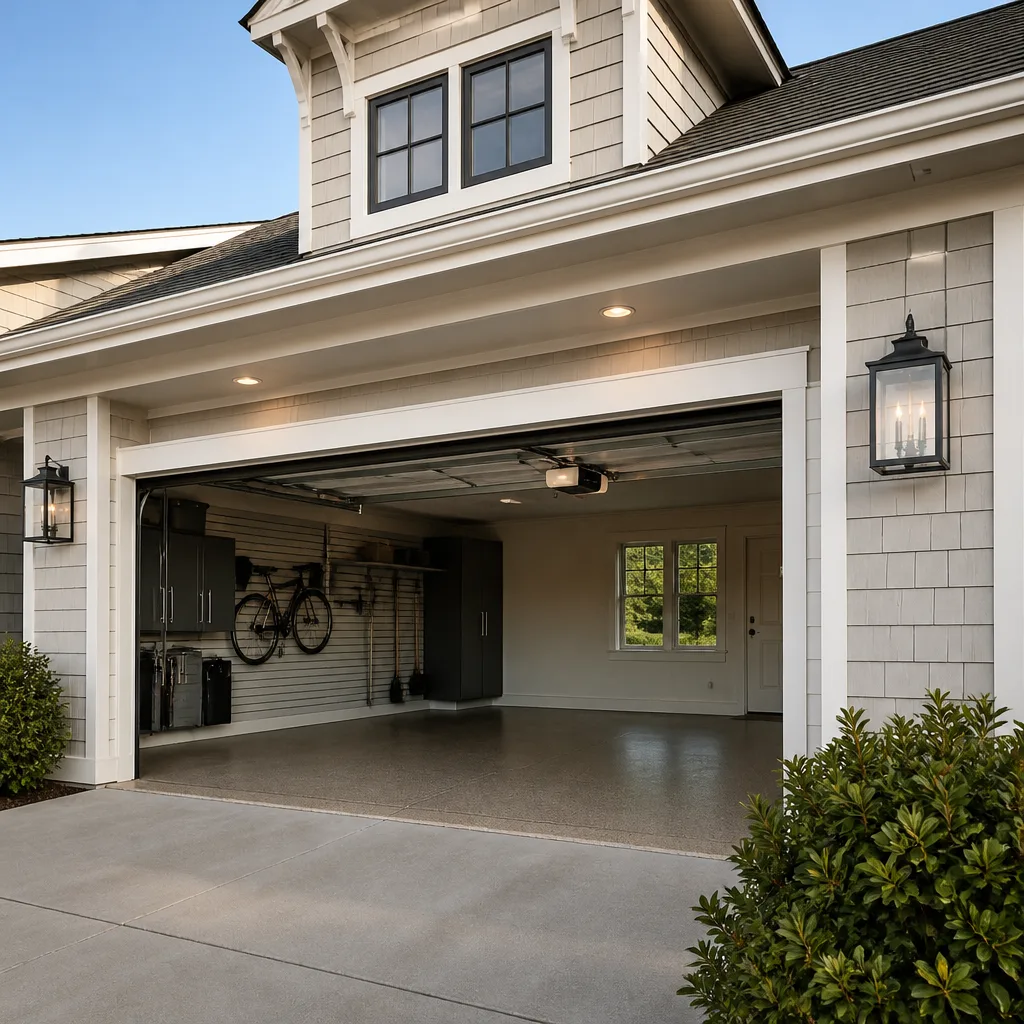 LiftMaster openers
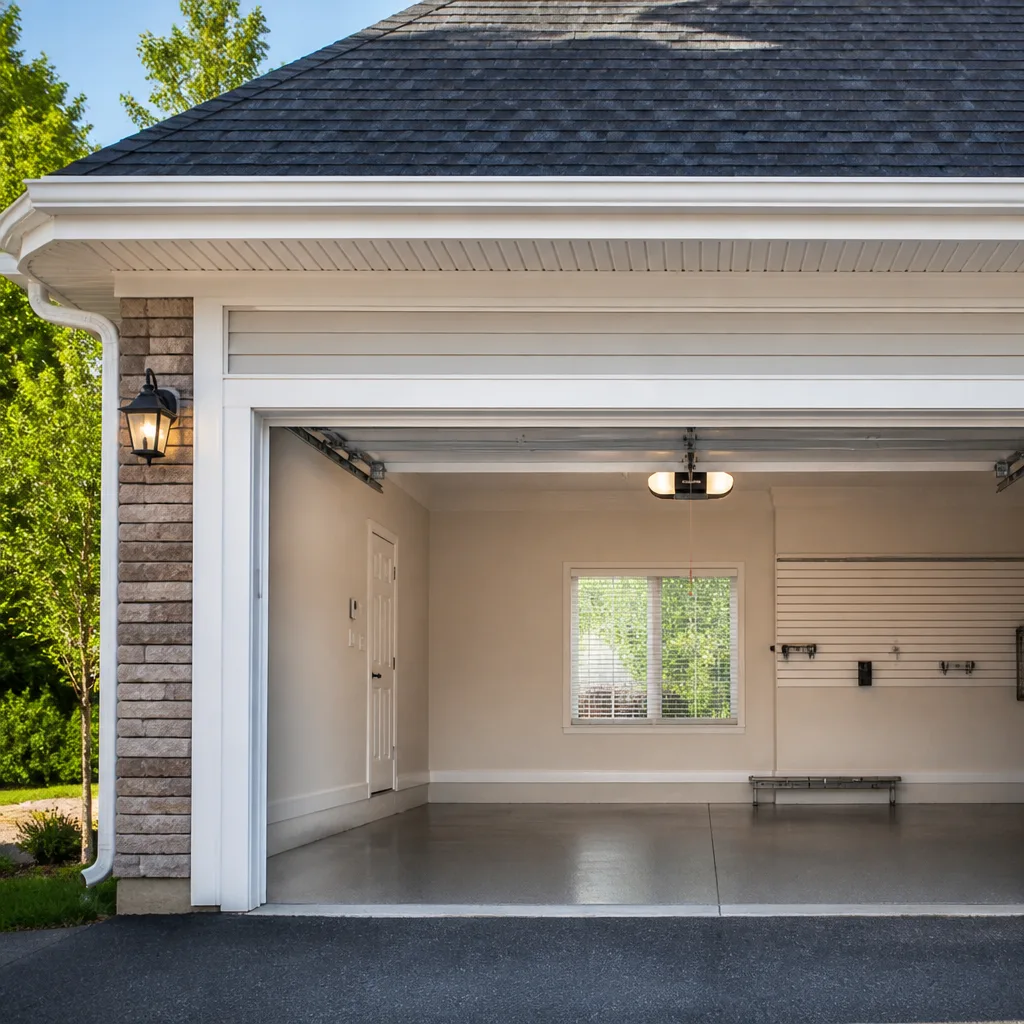 Chamberlain openers
Full 25-point door and opener safety check with every visit - springs, cables, rollers, tracks, and your LiftMaster or Chamberlain opener included
You get a price before we start. It does not change when the pro arrives.
Get your free estimateGarage Door Repair Maintenance Schedule: What to Do and When
Most garage door maintenance advice you’ll find online was written for a climate with four distinct seasons and a hard freeze. The familiar instruction to lubricate your springs “twice a year, spring and fall” assumes your hardware spends half the year in cold storage. Lehigh Acres doesn’t work that way. Our year splits into a wet season and a dry season, and each one stresses different parts of a garage door in different ways. A schedule built for Ohio will leave you maintaining the wrong components at the wrong time. What follows is a maintenance calendar built around how doors actually age here: what to check each month, which tasks genuinely extend the life of your hardware, and which popular advice you can safely ignore. We’ll also tell you plainly which jobs belong to a trained technician and which you should never touch yourself.
Quick Answer
In Lehigh Acres, a garage door needs a light monthly check, a focused pre-wet-season inspection in May before the summer humidity sets in, and a post-storm once-over after any strong system passes through. The two tasks that matter most are keeping torsion springs and hinges lubricated against corrosion and testing the door’s balance so a failing spring gets caught before it breaks. Everything else is secondary. If you do only three things all year, do those three.
Styles & brands we work with
- Raised-panel steel
- Carriage house
- Modern flush
- Full-view glass
- LiftMaster openers
- Chamberlain openers
Table of Contents
- Why a Lehigh Acres Maintenance Schedule Looks Different
- The Month-by-Month Calendar
- The Pre-Rainy-Season Checklist
- How to Test Balance and Spot a Failing Spring
- The Post-Storm Inspection Protocol
- Which Maintenance Tasks Actually Extend Hardware Life
- Opener and Smart-Home Maintenance
- Common Mistakes to Avoid
- When to Call a Professional
- Frequently Asked Questions
Why a Lehigh Acres Maintenance Schedule Looks Different
Lehigh Acres runs on two seasons, not four. From roughly June through October, the air is heavy with humidity and afternoon thunderstorms roll through with little warning. From November through April, rainfall drops off and the sun beats down hard, day after day, on anything facing west or south. Those two patterns attack a garage door in completely different ways, and a maintenance plan that treats the whole year as one long mild stretch misses both.
The wet season is the corrosion season. Humidity works its way into every unpainted metal surface, every hinge pin, every roller bearing, every stretch of torsion spring coil. Steel that would shrug off a damp spring up north will show surface rust here within a single wet season if it’s left bare. The dry season is the UV and heat season. Rubber seals, weatherstripping, and plastic components dry out, crack, and shrink. Heat expansion and contraction work on fasteners and track alignment. By the time the next wet season arrives, a door that was never checked during the dry months is often already behind on lubrication and adjustment.
That’s why the schedule below is anchored to our calendar rather than to generic “spring and fall” advice. The single most important window is the weeks just before the wet season begins, when the goal is to get a protective layer on bare metal before the humidity settles in. Miss that window and you spend the summer watching corrosion spread. In our experience working on doors across Lehigh Acres, the difference between a door that lasts and one that keeps failing comes down to whether it got that pre-summer attention.
The Month-by-Month Calendar
Here’s how the year breaks down. You don’t need to remember every line. Post this somewhere in the garage and run through it as each period comes up. If you’d rather have a specialist handle the technical checks, that’s what we’re here for, and the free estimate covers a full assessment of your specific door.
- January – February (dry, cooler): Check weatherstripping and the bottom seal for cracking and shrinkage. Test the door’s balance. Listen for new noises on open and close. Inspect hinges and roller bearings for dryness.
- March – April (dry, warming): Clear the tracks of debris and check that they’re plumb and aligned. Tighten any fasteners that have loosened from heat cycling. Check the opener’s safety reverse and photo-eye alignment. Look at spring coils for early rust.
- May (the critical pre-wet-season window): Full lubrication pass on springs, hinges, rollers, and the torsion shaft. Inspect every unpainted metal surface for rust and treat it. This is the inspection that sets up the whole summer.
- June – October (wet season): Monthly visual checks only. Look for rust bloom, listen for grinding or scraping, watch for the door slowing or reversing unexpectedly. Reapply lubricant to high-wear points as needed. After any significant storm, run the post-storm protocol below.
- November (wet-season wind-down): A deeper inspection once humidity drops. Assess any corrosion that developed over the summer. Check that all fasteners are still tight after months of expansion and contraction.
- December (dry season begins): Focus shifts to sun and heat exposure. Inspect weather seals, the bottom seal, and any plastic or rubber parts for UV damage. Confirm the opener’s force settings are still correct.
Notice that the heaviest work lands in May and in November, the two transition points. That’s deliberate. The wet season is when corrosion does its damage, and the dry season is when heat and UV do theirs. Catch each before it starts and the monthly checks in between become quick and easy.
The Pre-Rainy-Season Checklist
If you do one thing on this whole schedule, make it the May inspection. The goal is simple: get a protective film on every bare metal surface before the humid air arrives, and confirm nothing is already failing. The order matters, because you want to clean and treat first, then lubricate, then test.
- Inspect before you touch anything. Walk the full perimeter of the door and look at every torsion spring, hinge, roller, and track surface. Note where rust is starting. Surface rust is normal; flaking, pitting, or a visible crack in a spring coil is not, and means that spring needs a technician’s eye.
- Clean the hardware. Wipe down springs, hinges, and roller stems with a dry cloth to remove dust and loose rust. A dry door accepts lubricant better than a dusty one.
- Treat bare metal. For light surface rust on hinges and tracks, a garage-door-appropriate rust-inhibiting treatment slows the spread. Don’t paint over a torsion spring; ask a technician how to handle spring corrosion properly.
- Lubricate in the right order. A lithium- or silicone-based garage door lubricant goes on the hinges at each pivot point, the roller bearings (not the tracks), the torsion springs, and the torsion shaft bearings. Do not grease the tracks themselves. They’re meant to stay clean and dry so the rollers roll rather than slide.
- Check the weatherstripping and bottom seal. Run a hand along the bottom seal and the side and top seals. Cracking or a gap at the floor lets humid air and water in, which is exactly what you’re trying to keep out.
- Test balance and the opener’s safety reverse (both explained below). These confirm the door is working correctly, not just looking clean.
Brands like Clopay, Amarr, and Wayne Dalton all finish their doors differently, and those finishes age differently in our humidity. We work on all of them, and we can tell you what to expect from the specific door you have rather than a generic answer.
How to Test Balance and Spot a Failing Spring
Testing balance is the most valuable thing a homeowner can do safely, because it catches a weakening spring long before it snaps. Here’s the method. Disconnect the opener (pull the manual release so the door is running on its springs alone), raise the door about halfway by hand, and let go. A healthy door stays put, roughly where you left it. A door that drifts down on its own is telling you the springs are losing tension. A door that wants to rise is over-tensioned. Either way, it’s information worth acting on.
The other measurement is simpler: watch how high the door rises and how smoothly. If you have to lift harder than you used to, or the door feels heavy in the last foot before it’s fully up, spring tension is dropping. A door that needs help from the opener to close is also a warning sign.
Now the part we won’t shortcut. Torsion springs and the cables wound around them are under extreme tension, and they’re the single most dangerous component on a garage door. You cannot safely adjust spring tension, and you should never try to test a spring by winding or unwinding it yourself. A spring that fails under load can cause serious injury. What you can safely do is watch for these signals and call a technician when you see them:
- A visible gap in a coil, or a spring that looks stretched or sagging on one end
- Rust that has pitted or flaked rather than just discolored the surface
- The door feeling heavy, moving unevenly, or drifting when opened halfway
- A loud bang from the garage followed by the door no longer opening
Any of those means it’s time for a professional assessment. Our technicians have up to 15 years of experience reading exactly these signs, and a garage door repair visit starts with a diagnosis, not a parts swap. If the spring is failing, we tell you, and we quote the work before anything starts.
The Post-Storm Inspection Protocol
Southwest Florida thunderstorms and tropical systems bring wind-driven rain, debris, and power interruptions, and the damage they leave behind on a garage door follows predictable patterns. After any significant storm, run through this before you use the door normally.
- Look for debris in the tracks. Leaves, small branches, and grit are the most common storm debris and the most common cause of a door that suddenly binds or reverses. Clear the tracks before cycling the door.
- Check for water intrusion and corrosion. Wet-season storms push moisture into hinges and roller bearings. Wipe down and re-lubricate any points that got wet, and check for fresh rust at the pivots.
- Inspect the bottom seal and side seals for wind damage. High wind can tear seals loose or push them out of their channels, which leaves a gap that lets in both weather and pests.
- Test the opener after any power interruption. Confirm the photo-eye safety system still reverses the door and that the opener isn’t throwing error codes. Power surges commonly reset opener logic, and a door that doesn’t reverse is a safety problem.
- Listen and watch on the first full cycle. Grinding, scraping, uneven travel, or a door that stops partway are all signs something shifted during the storm and needs attention.
If the storm dropped a limb on the door or the door came off its track, don’t force it open. That’s a call for a technician, and it’s the kind of thing we handle routinely here in Lehigh Acres. The same goes for an opener that’s acting up after a storm; our garage door opener repair work covers both older radio-frequency systems and modern smart openers, so a power-related fault doesn’t turn into a full replacement.
Which Maintenance Tasks Actually Extend Hardware Life
A lot of garage door maintenance advice is filler. It sounds responsible but changes nothing about how long your hardware lasts. Here’s the honest split, based on what we see actually mattering.
Tasks that genuinely extend life:
- Lubricating springs, hinges, and roller bearings. This is the big one. Rust and friction are what wear these parts out, and lubrication slows both. In our climate it’s the difference between a spring that reaches its normal service life and one that fails early.
- Keeping tracks clean and aligned. A door that rolls true puts less strain on the opener and on every other component. A door that binds wears everything faster.
- Testing balance and catching a weak spring early. Catching a sagging spring before it snaps saves you the cost of a snap and the damage a breaking spring can do.
- Maintaining the weather seals. Seals that keep out humidity and water protect the metal behind them. A failed seal accelerates corrosion everywhere near it.
- Checking fasteners after heat cycling. In our dry season the door expands and contracts daily, and bolts loosen over time. A loose hinge or bracket misaligns the door and wears the rollers.
Tasks that sound useful but change little:
- Painting or cosmetic touch-ups on hardware. Paint doesn’t address the friction and tension that actually cause failure, and painting the wrong part can hide a problem.
- Wiping down the door face on a set schedule. Keeping it clean protects the finish, but it doesn’t extend the mechanical life of your hardware.
- Adjusting opener force settings without testing. Raising the force to fix a stiff door masks a problem rather than solving it, and it can actually hide a failing spring.
- Treating tracks with oil or grease. Popular advice, but wrong here. Greased tracks collect grit in our dusty dry season and cause rollers to slide instead of roll.
Focus your time on lubrication, alignment, balance, and seals and you’ll get the most out of your door. The rest is nice but not load-bearing, so to speak.
Opener and Smart-Home Maintenance
Your opener needs less attention than the door itself, but it needs some, and it’s often the part homeowners neglect until it stops working. A few habits keep it reliable through both seasons.
- Test the safety reverse monthly. Place a solid object in the door’s path and confirm it reverses on contact. This is a safety check, not a performance tune, and it’s quick.
- Keep the photo-eyes clean and aligned. Dust and storm debris cloud the lenses. A misaligned or dirty photo-eye is the most common reason a door won’t close.
- Check the battery backup if your opener has one. Our storm season means power interruptions, and a dead backup battery is a surprise you don’t want.
- Reconnect smart openers after power events. If you run a LiftMaster myQ or Genie Aladdin Connect system, confirm it reconnected to your home network after outages. A quick check now beats discovering it’s offline when you need it.
- Watch for error codes and unusual behavior. A door that reverses for no reason, stops halfway, or lights blink in a pattern is the opener telling you something. Note the code and get it looked at; it’s often a cheap fix if caught early.
We repair both traditional and smart/Wi-Fi-enabled openers, so whether you’re running an older Craftsman unit or a newer connected system, the maintenance logic is the same: catch small faults before they become failures. If your opener is due for a check, Pilgrim Garage Door Repair can look at it alongside the door itself and give you one straight answer instead of two.
Common Mistakes to Avoid
- Following a national spring-and-fall schedule. That calendar was written for climates with a hard winter. Here, the critical window is May, before the wet season, not a generic spring tune-up. Skip it and you spend the summer watching corrosion spread.
- Greasing the tracks. It feels like maintenance, but oiled tracks collect grit during our dry season and cause rollers to slide. Tracks should stay clean and dry.
- Adjusting spring tension yourself. Torsion springs are under extreme tension, and winding or unwinding one is genuinely dangerous. Watch for the warning signs and call a technician instead.
- Ignoring weather seal damage. A torn bottom seal or a cracked side seal lets in the humidity that corrodes your hardware. It’s an easy fix that protects everything else.
- Raising opener force to fix a stiff door. Cranking the force up masks a failing spring or misaligned track and hides the real problem. Find the cause instead.
- Forcing a door that came off its track after a storm. Instead of clearing a branch or seeking garage door repair, homeowners sometimes force a damaged door. That turns a small fix into a bigger one. Let a technician re-seat the door safely.
- Skipping the post-storm check because “it looks fine.” Storm damage often hides in the tracks, photo-eyes, and weather seals. A two-minute inspection catches it before it becomes a repair.
When to Call a Professional
Some tasks on this calendar are safe for any homeowner: the balance test, lubrication, cleaning the tracks, and testing the safety reverse. Others need a trained hand. Call a professional when you spot a cracked, sagging, or rust-pitted torsion spring; when the door feels heavy or drifts on the balance test; when it comes off its track or gets hit by storm debris; when the opener throws error codes or reverses unexpectedly; or whenever you’re simply unsure whether a noise or a wobble is normal. Springs and cables are the specific components we’d never advise a homeowner to adjust. Our technicians have up to 15 years of experience diagnosing exactly these problems, and Pilgrim Garage Door Repair offers free estimates in Lehigh Acres. Call (844) 522-0595 and we’ll tell you what’s going on and what it takes to fix it, quoted and agreed before any work starts.
Frequently Asked Questions
Light checks monthly, one focused inspection in May before the wet season, and a deeper assessment in November when humidity drops. The May inspection is the one that matters most because it puts a protective layer on metal before the summer corrosion season starts. Monthly checks in between are quick visual and listening checks.
Skip the national twice-a-year advice and instead lubricate before the wet season and reapply to high-wear points as needed through the summer. In our humidity, bare springs benefit from more frequent attention during the wet months. The most important pass is the one you do in May.
A door that drifts down when opened halfway, feels heavier than it used to, or shows a visible gap in a coil or rust that’s flaking. Those signals mean the spring is losing tension and needs a professional look. Never try to adjust spring tension yourself; it’s the most dangerous part of the door.
You can safely handle lubrication, track cleaning, weather seal checks, the balance test, and the monthly safety reverse test. Leave spring and cable work, opener diagnostics, and anything involving a door off its track to a trained technician. The free estimate covers a full check of the parts you shouldn’t touch.
Check the tracks for debris, the seals for tearing, and the photo-eyes for alignment, then cycle the door and listen for grinding or uneven travel. A door that binds, reverses unexpectedly, or doesn’t close is telling you something got knocked out of place. If it came off its track or took an impact, don’t force it.
We work on the door that’s already in your garage, across the brands most commonly installed here, including Clopay, Amarr, Wayne Dalton, and Craftsman, along with LiftMaster, Chamberlain, Genie, and Raynor. That means we diagnose the system you have rather than steering you toward a brand we’d prefer to sell. Call (844) 522-0595 for a free estimate.
The Bottom Line
Your garage door in Lehigh Acres doesn’t need a complicated schedule. It needs the right schedule for this climate: a light monthly check, one critical lubrication and corrosion inspection in May before the wet season, a deeper assessment in November, and a quick post-storm protocol after any strong system passes through. Focus on the tasks that actually extend hardware life, namely lubrication, track alignment, balance testing, and weather seals, and skip the filler. Test the balance, watch for a sagging or rusted spring, and never adjust spring tension yourself. Do that and you’ll get years more out of the door that’s already there. When something needs a trained eye, we’re a phone call away.
Call (844) 522-0595 for a free estimate from Pilgrim Garage Door Repair. We answer 24/7. Fast dispatch from 7am to 7pm, Sunday through Friday. We work on your brand, we focus on garage doors only, and we quote the price before any work starts, so you know what you’re paying before a technician touches the door. Whether you’re in Lehigh Acres and need a spring looked at or you just want a straight answer about what your door needs this season, we’re glad to help.
Written by the team at Pilgrim Garage Door Repair.
See the difference
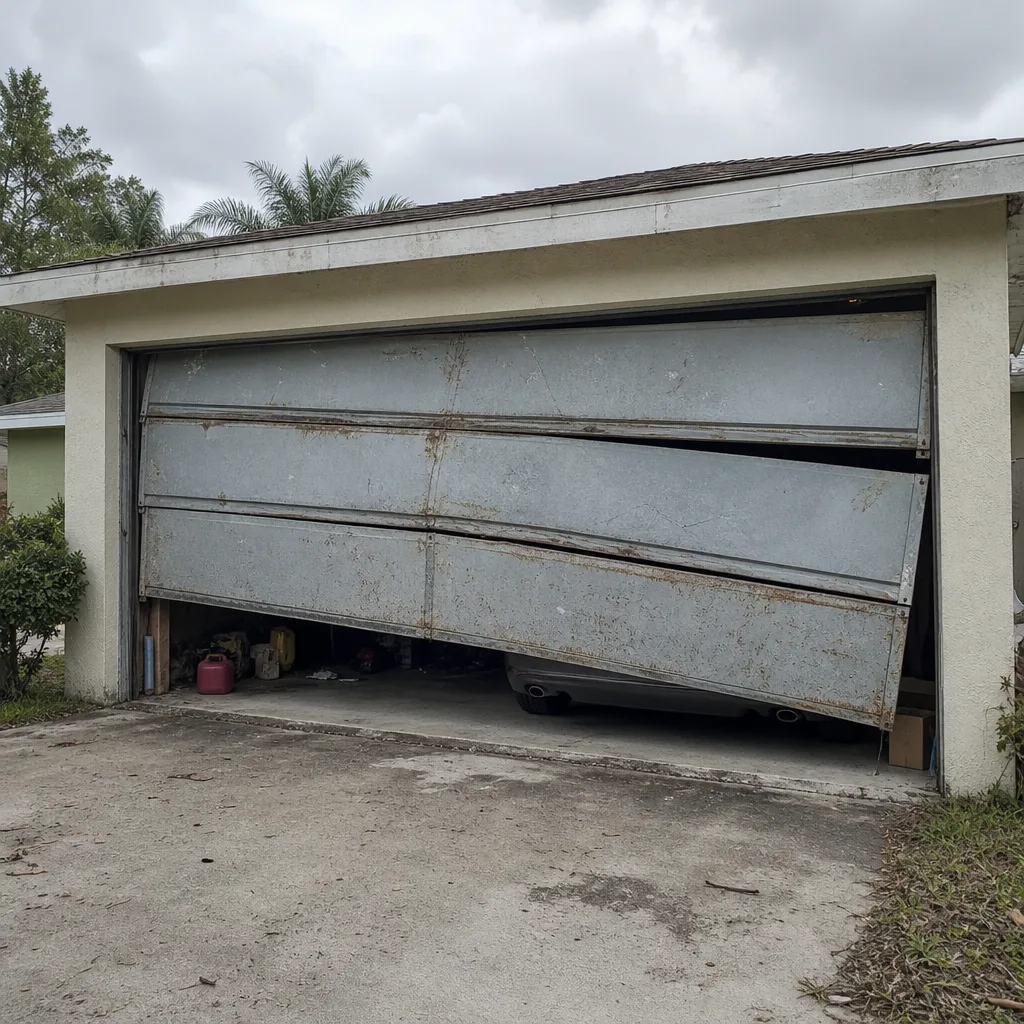 Before
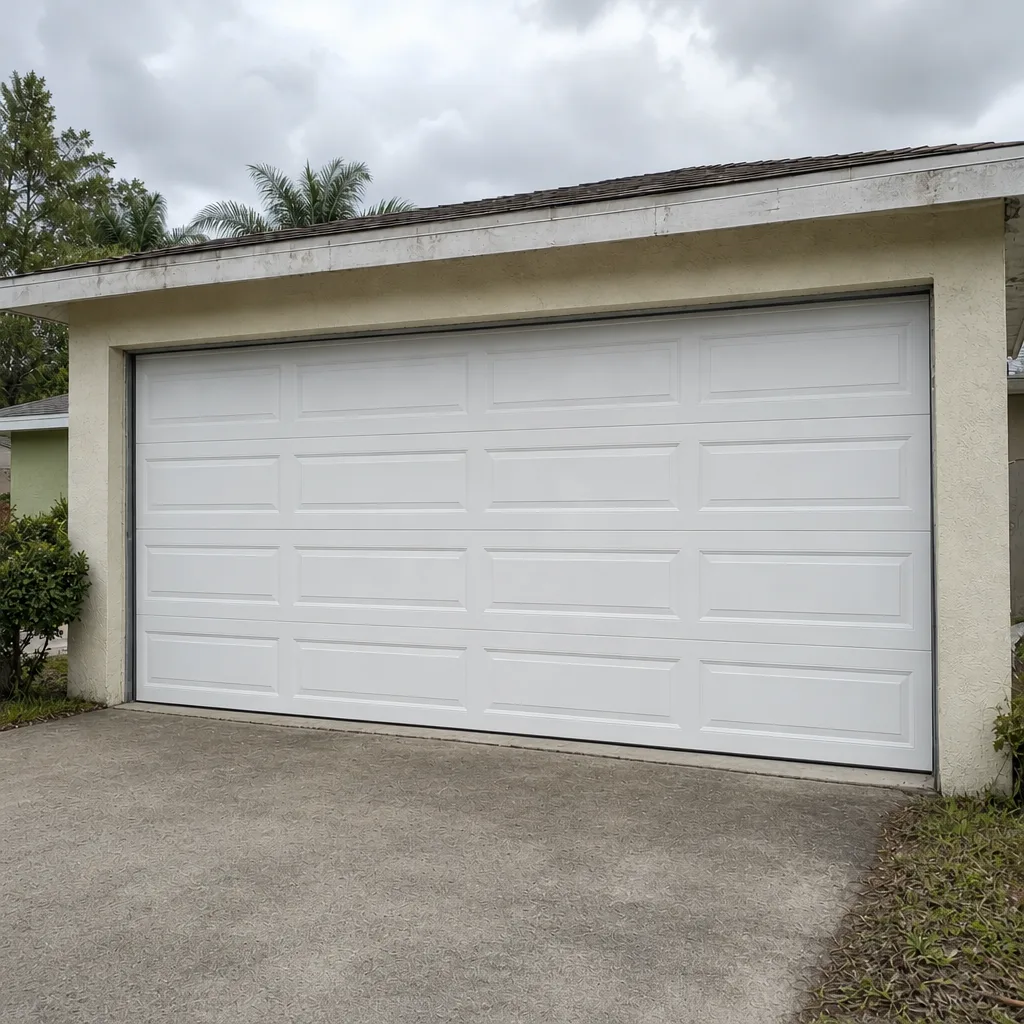 After
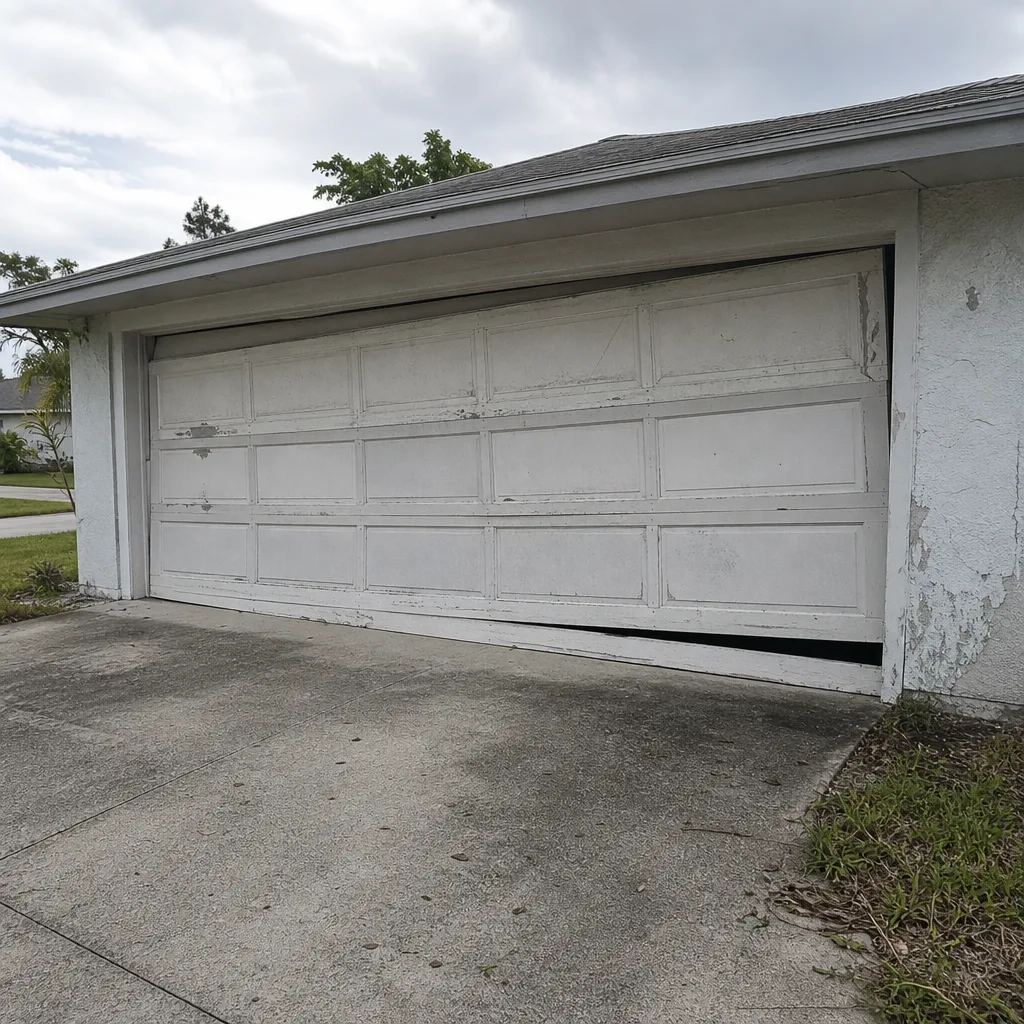 Before
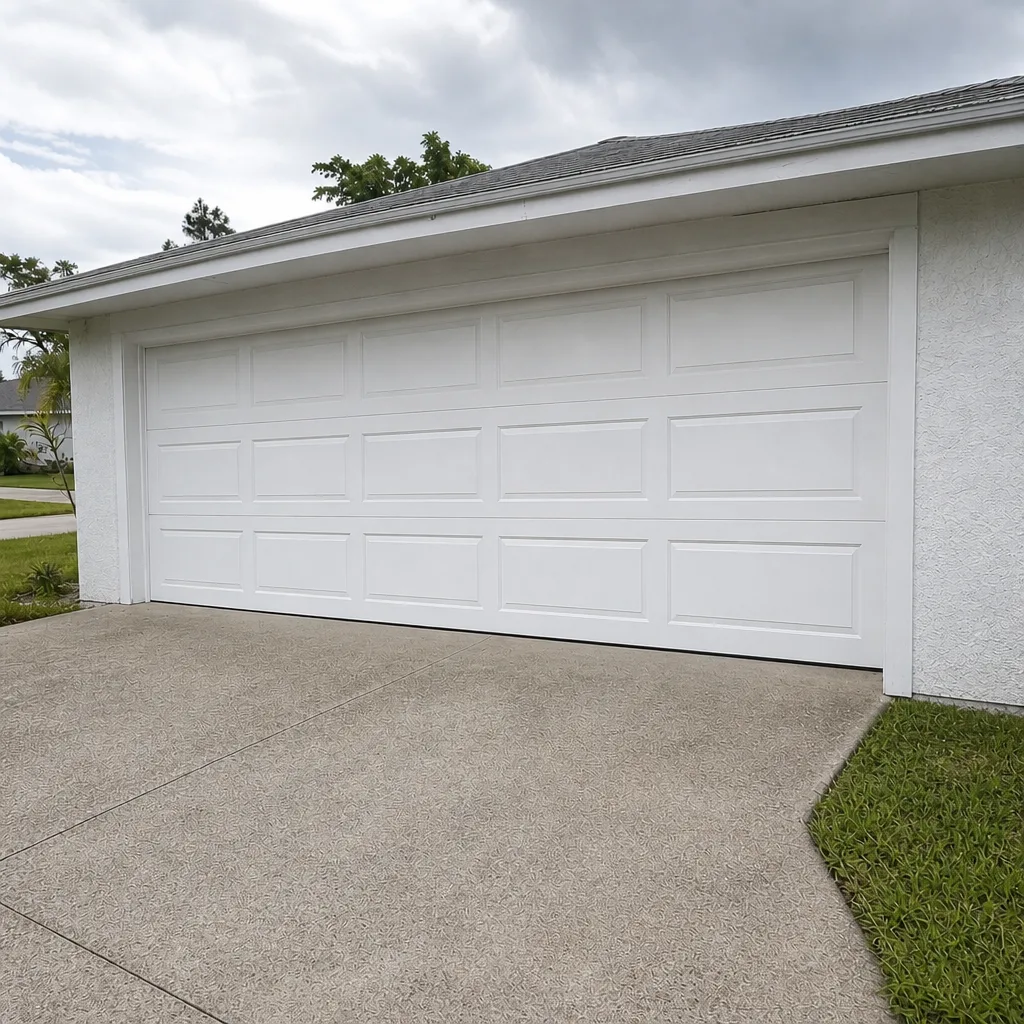 After
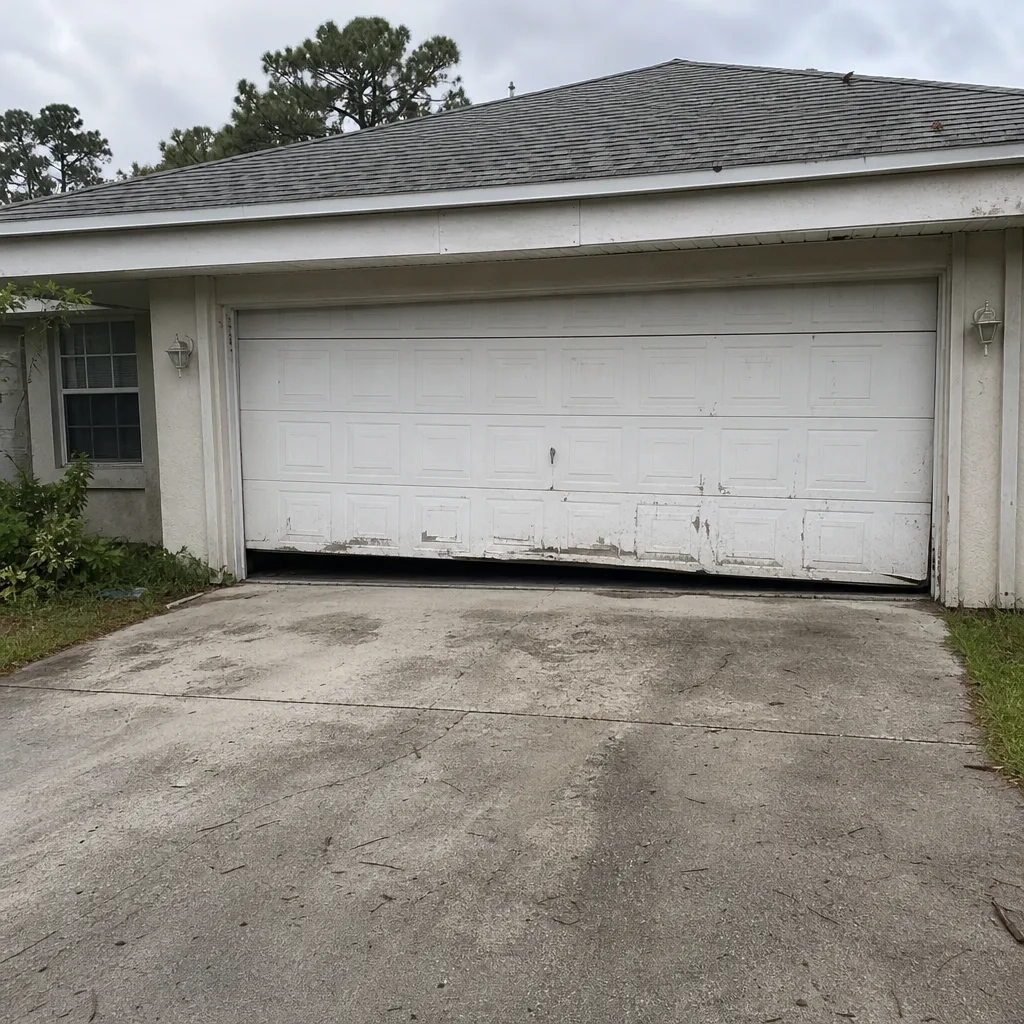 Before
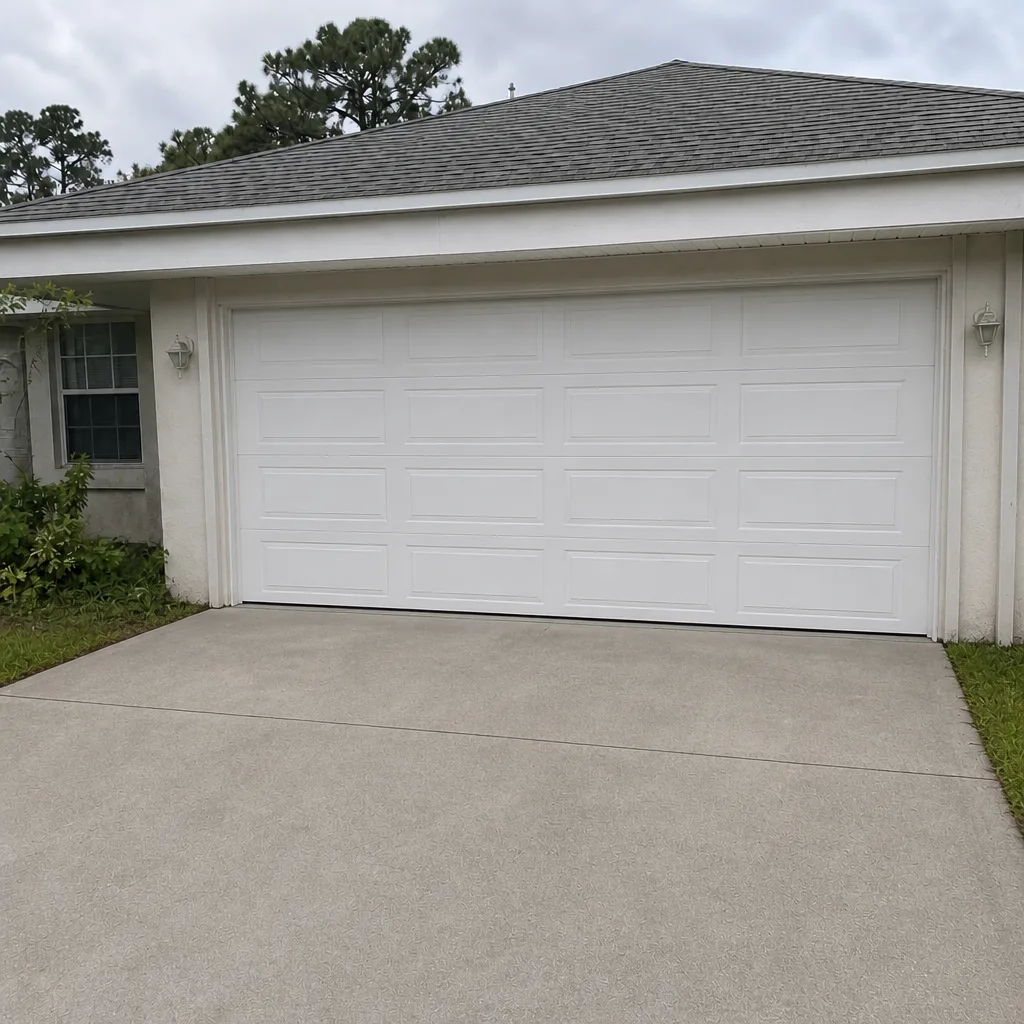 After