
Last updated November 15, 2026
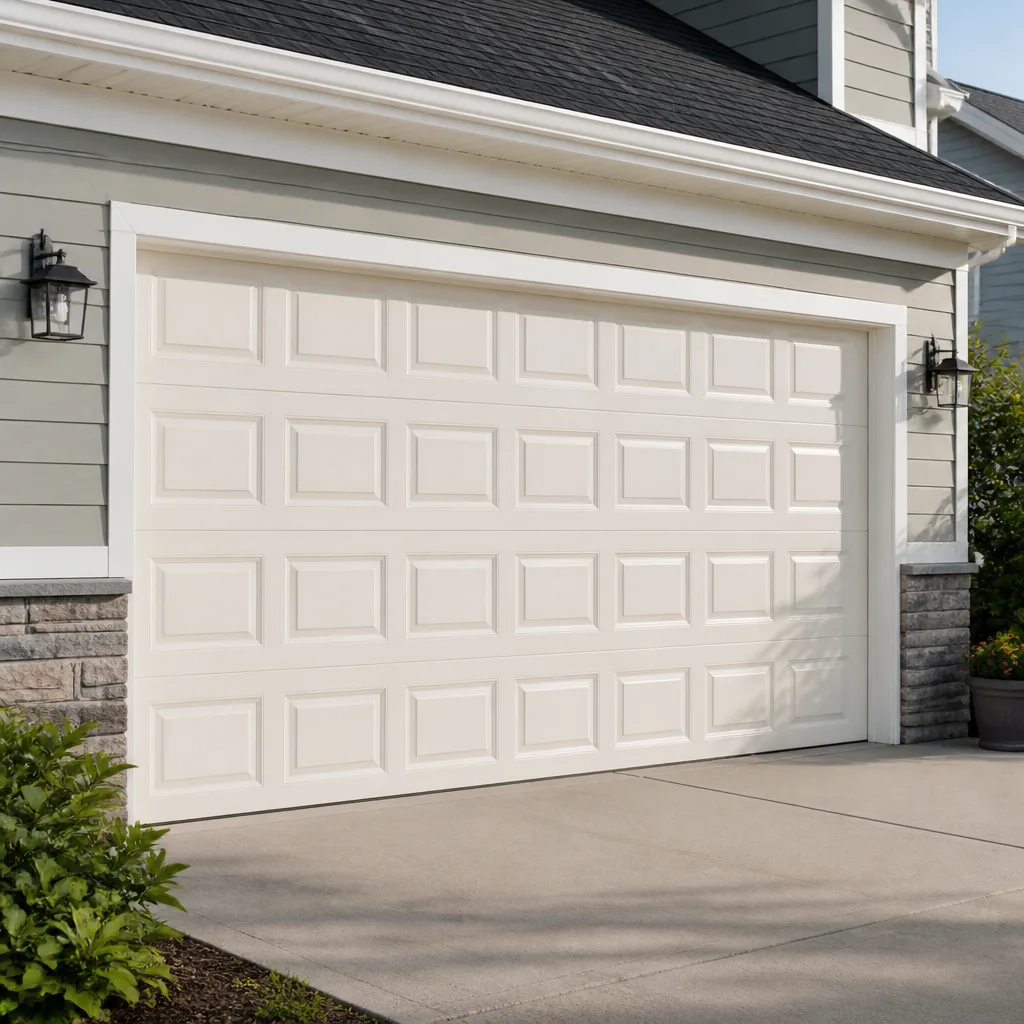 Raised-panel steel
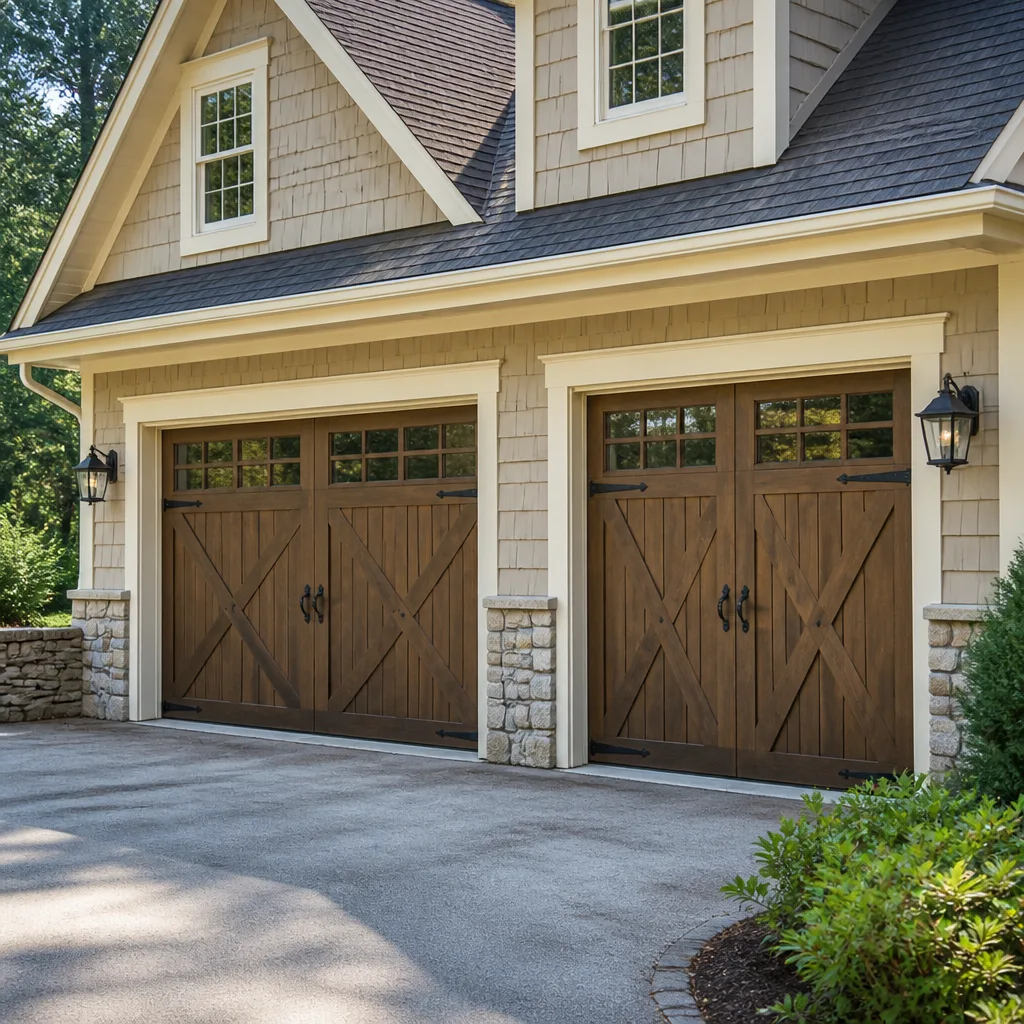 Carriage house
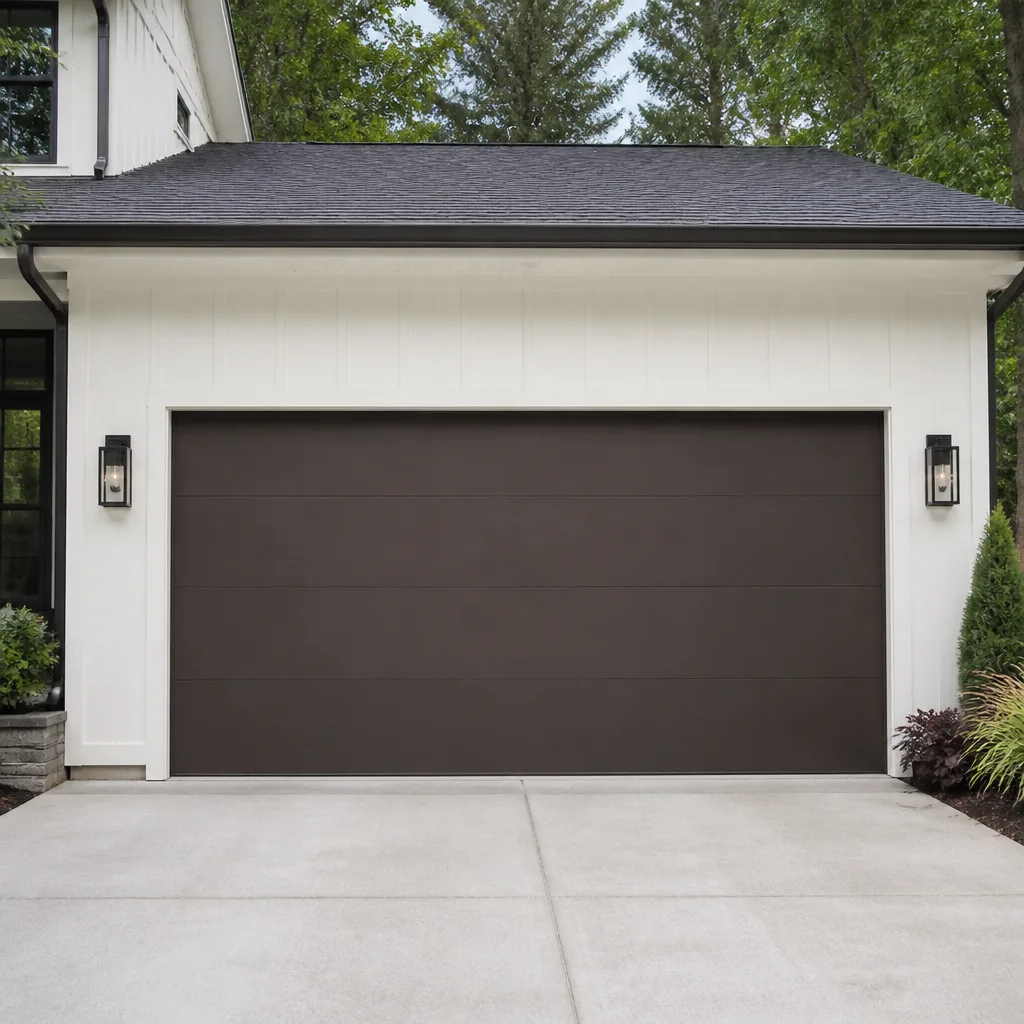 Modern flush
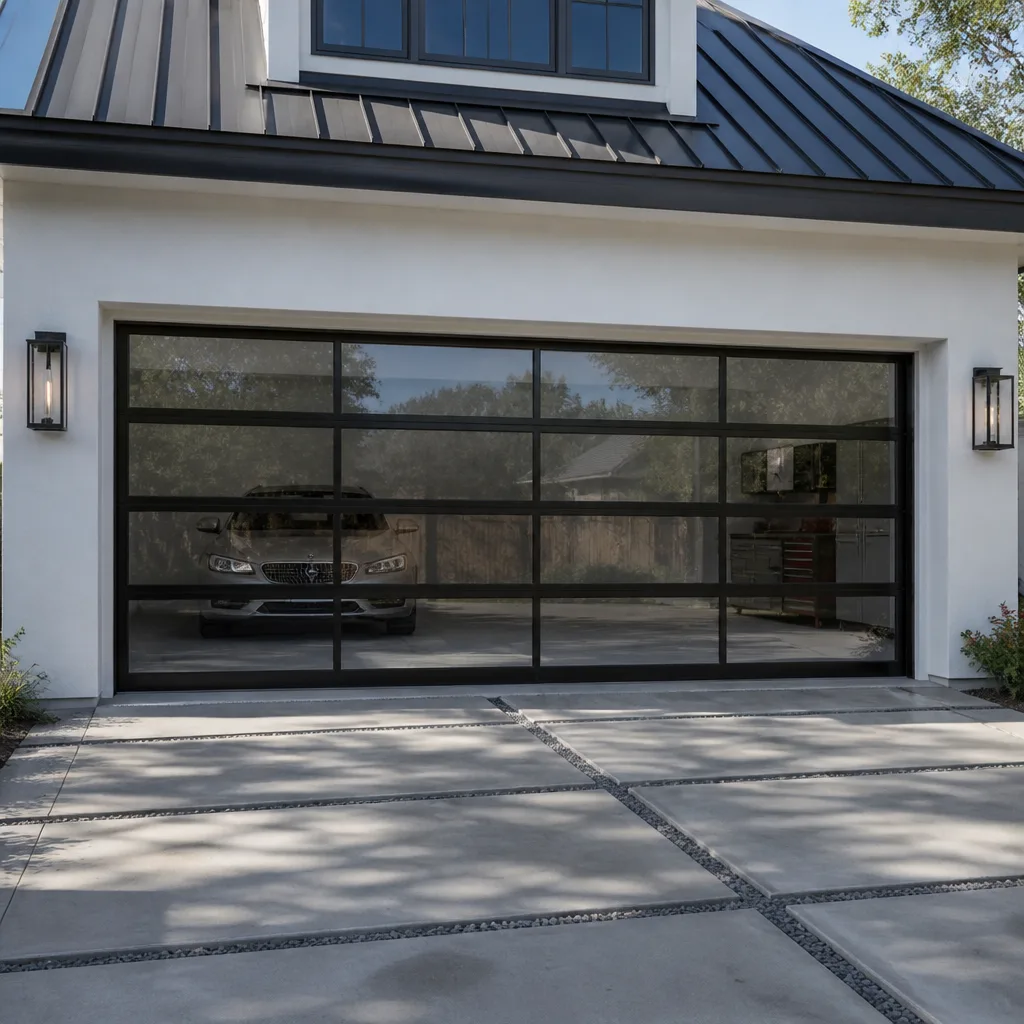 Full-view glass
 LiftMaster openers
 Chamberlain openers
Full 25-point door and opener safety check with every visit - springs, cables, rollers, tracks, and your LiftMaster or Chamberlain opener included
You get a price before we start. It does not change when the pro arrives.
Get your free estimateGarage Door Warning Signs: A Lehigh Acres Homeowner’s Reference Guide
Most garage door warning signs get described in vague, generic terms. Strange noises. Slow movement. A door that just feels off. That advice doesn’t help you decide anything, because “strange noise” could mean a worn roller, a failing opener gear, or a torsion spring about to let go, and those are three very different problems with three very different levels of urgency. A door that’s a little slow in the morning isn’t just annoying. In Lehigh Acres humidity, slow movement is often the first readable sign of spring fatigue, and that fatigue tends to become a full failure within 60 to 90 days. The door is telling you something specific. This guide teaches you to read it: which sounds map to which parts, which visual signs you can safely spot from the ground, how Florida humidity changes the warning pattern national guides describe, and the one distinction that matters most – a sign that lets you book a normal appointment versus one that means stop using the door today. We work on garage doors only, so this is the diagnostic view we bring to every Lehigh Acres home.
Quick Answer
Garage door warning signs fall into four groups: sounds (grinding, popping, scraping), visible wear (spring gaps, cable fraying, roller flat-spotting), movement changes (slowing, jerking, reversing, uneven travel), and opener behavior (hesitation, error codes, remote range loss). In Lehigh Acres, humidity accelerates rust and seal compression, so these signs often appear earlier and in a different order than national guides suggest. Any sign involving a broken spring, a slack or frayed cable, or a door that reverses without a clear obstruction means stop using the door and have it looked at before the next opening.
Styles & brands we work with
- Raised-panel steel
- Carriage house
- Modern flush
- Full-view glass
- LiftMaster openers
- Chamberlain openers
Table of Contents
- Symptom-to-Cause Map: What Each Sound and Motion Actually Means
- Reading Spring Wear Safely From the Ground
- How Lehigh Acres Humidity Creates Its Own Warning Signs
- Decoding Opener Behavior Changes by Brand
- Scheduled Appointment vs. Stop Using the Door Immediately
- A Seasonal Inspection Routine for Lehigh Acres Homes
- Common Mistakes to Avoid
- When to Call a Professional
Symptom-to-Cause Map: What Each Sound and Motion Actually Means
Every garage door sound comes from something. The trick is matching the sound to the part before guessing at a fix. Here’s how we map the most common symptoms we hear described by homeowners in Lehigh Acres.
- Grinding, metallic and continuous: Usually rollers that have lost their bearings or a torsion tube that’s dry and pulling against its brackets. Grinding that gets louder as the door rises points to the roller track, not the opener.
- Popping or a single loud snap: Often a torsion spring beginning to unwind or a hinge plate shifting under load. A single pop followed by the door drifting down is a spring problem until proven otherwise.
- Scraping along one side: The door is out of alignment, riding against the track. Sometimes a bent track section, sometimes a worn roller pulling the panel sideways.
- Rattling over the whole travel: Loose hinges, loose panel bolts, or worn nylon rollers that have gone oval.
- Buzzing from the opener head with no movement: The opener motor is running but the drive isn’t engaging – a stripped gear, a snapped belt, or a broken trolley connection. This is a garage door opener repair call, not a door call.
- Jerking or stuttering as the door moves: Binding in the track, or a spring that’s lost tension and can no longer counterbalance the door’s weight evenly.
The important point: none of these symptoms are cosmetic. Each one points at a specific component, and letting a grinding roller run for months wears the track and the hinge plates around it. In our experience, the homeowners who get the longest life from a door are the ones who treat a new sound as a diagnostic question rather than background noise. That’s the whole discipline of garage door repair – diagnosis first, then the right part, not a parts-swap guess.
Reading Spring Wear Safely From the Ground
Torsion springs live above the door, under heavy tension. You should never touch, adjust, or attempt to unwind one – that’s the single most dangerous component in the whole system, and it takes a trained technician with the right winding bars to handle it safely. What you can do is read the springs from the ground without getting near them.
Stand back a few feet and look up. These are the visual signals worth knowing:
- A visible gap in a torsion spring coil. A healthy spring is a continuous coil. A clean break shows as a gap roughly the width of your finger, and the door will feel much heavier than usual when you lift it by hand (only lift it with the opener disconnected if you can do so safely – otherwise skip this check).
- Rust along the spring’s length. Light surface discoloration is normal. Deep orange rust pitting the coil wire is not, and in Lehigh Acres humidity it’s the most common early warning we see.
- Stretched spacing between coils. If the coils look loosely spaced compared to a fresh spring, the spring has lost tension and is no longer balancing the door’s weight.
- A door that lifts easily by hand but slams down. With the opener disconnected, a properly balanced door stays roughly where you leave it. One that won’t hold position is spring-fatigued.
- Uneven lift, one side higher. On a two-spring system, one spring has often weakened before the other.
- Cable slack or a cable off its drum. Look at the cables running down each side. A cable that’s visibly loose, kinked, or resting off the drum is a stop-using-the-door sign.
If anything on this list looks wrong, treat it as a diagnostic finding, not a repair project. Spring and cable work is where the serious injuries happen, and it’s not a job to learn on your own door. If you’re in Lehigh Acres and seeing a gap or heavy rust, a free estimate will tell you exactly what’s worn and what a replacement costs before anyone touches the door.
How Lehigh Acres Humidity Creates Its Own Warning Signs
National garage door guides are written for a climate that doesn’t match ours. In Lehigh Acres, the humidity does its own kind of work on a door, and the warning signs show up earlier and in a different order than the generic checklists describe. Here’s what the local environment actually does.
- Rust appears on the roller bearings before the springs. In drier climates, springs rust first. Here, the rollers and hinge pins collect condensation and seize sooner, so grinding starts before the springs show visible wear. That’s why we listen to rollers first on a Lehigh Acres door.
- Bottom seals compress and stay compressed. The rubber seal along the bottom edge loses its spring-back in the heat and damp, so it flattens, tears, or curls. Watch for daylight showing under the closed door – that’s a seal problem, not a door problem, and it’s usually the first thing to fail.
- Wood-composite panels swell at the edges. Composite and wood-look doors absorb moisture at panel seams and the bottom rail, showing as a slight bulge, a paint crack along the seam, or a panel that no longer sits flush. Left alone, swelling throws the door out of alignment and starts scraping the track.
- Paint and finish failures on steel doors. Steel panels hold up well here, but a chipped edge lets moisture under the finish and starts a rust bloom that spreads along the panel. Catch it in the first season and it’s surface only.
- Track brackets loosen from the heat cycles. The daily expansion and contraction works fasteners loose over time, which is why a door that ran quiet last year can start rattling this year without any new damage.
This is one reason we’re deliberate about which brands we service. Working on Raynor, LiftMaster, Chamberlain, and Genie systems means we see how each manufacturer’s hardware ages specifically in a humid climate, and which parts on each brand fail first. The door you already have is the one we diagnose – not the one we wish you had.
Decoding Opener Behavior Changes by Brand
Openers have their own warning language. Most homeowners only notice the opener when the door stops moving entirely, but the electronics usually announce a problem well before that.
Here’s what to watch for across the brands we deal with most in Lehigh Acres:
- Hesitation before the door moves. The opener pauses a beat before lifting. On a LiftMaster or Chamberlain unit with myQ, this is often the safety sensor or the travel limit switch telling the logic board it’s not sure the door is clear.
- The door reverses mid-travel. The opener thinks it hit an obstruction. Could be a misaligned sensor, a binding track, or a spring that’s no longer balancing the door – the opener is doing what it’s supposed to do and stopping itself.
- Error codes or a blinking light pattern. Each brand uses a different blink sequence. A Genie unit with Aladdin Connect will flash a distinct pattern for a sensor fault versus a limit fault; Chamberlain and LiftMaster units use their own codes. Reading the pattern correctly is half the diagnosis.
- Remote range shrinking. Remotes that once worked from the driveway only work at the door now. Usually a failing receiver, a dying battery, or interference – but on older Craftsman units it can be the travel module going out.
- The opener runs but the door doesn’t move. Motor spins, drive doesn’t engage. As noted above, that’s a stripped gear or snapped belt – a repair, not a replacement.
- Door goes down, then back up, without touching anything. The classic reversal sign. Stop using the door and get it looked at; a door that reverses on its own is a door that could close on something.
Smart-home integration adds a layer here. If your opener is tied into a home automation system through myQ or Aladdin Connect, an app notification or a stale status reading is itself a warning sign worth acting on. In our experience, the owner who checks the app and notices the door didn’t fully close is the owner who avoids a bigger repair. For anything on this list that isn’t a simple battery or sensor-alignment issue, it’s an opener repair conversation – call (844) 522-0595 and describe the behavior; we can usually tell you what to expect before we arrive.
Scheduled Appointment vs. Stop Using the Door Immediately
This is the decision that matters most, and it’s the one most guides skip. Some warning signs are a “book it this week” signal. Others are a “don’t touch it again” signal. Here’s the split.
Book a scheduled appointment (door can keep operating for now):
- Rollers grinding or rattling (wear, not failure)
- A bottom seal that’s flattened, torn, or letting daylight through
- A single loose hinge or panel bolt
- Remote range that’s gotten shorter
- A door that’s a little slower than it used to be but still balanced
- Surface rust or a paint chip on a panel edge
Stop using the door immediately:
- A visible gap in a torsion spring, or the door is suddenly very heavy
- A cable that’s slack, frayed, kinked, or off its drum
- The door reverses without a clear obstruction
- The door is uneven – one side higher than the other, or the panel skewed in the track
- Loud popping followed by the door drifting
- The opener runs but the door doesn’t move, and the door is stuck partway
If you hit anything on the second list, keep the door down (or up, if it’s already stuck open and you can’t move it safely), leave the vehicle outside, and call. Leaving a spring-fatigued door in daily use is what turns a spring replacement into a full panel replacement when the door comes down hard. If the door fails on a Saturday, call anyway – we’re closed Saturday, but we’ll book you for Sunday. We answer 24/7, and dispatch runs Sunday through Friday, 7am to 7pm. For a full picture of how we handle both kinds of calls, see what our repair service covers.
A Seasonal Inspection Routine for Lehigh Acres Homes
You don’t need to become a garage door technician to catch these signs early. A ten-minute walk-around once a season covers most of what matters. Here’s the routine we’d suggest to any Lehigh Acres homeowner, in order:
- Listen before you look. Run the door up and down once. Note any new sound, any hesitation, any change from how it ran last month.
- Look up and back off. From several feet back, check the torsion springs for a gap or deep rust. Don’t touch them.
- Check the cables at each side. Look for slack, fraying, or a cable off its drum. Slack cable means stop.
- Look at the bottom seal. With the door closed, check for daylight or a curled, torn, flattened seal.
- Test the safety reverse. With the door on the way down, pass your hand through the beam at the photo-eye. The door should reverse. If it doesn’t, stop and arrange a service visit.
- Test the balance (carefully). With the opener disconnected and the door at waist height, it should hold roughly in place. If it slams or won’t stay up, the springs are fatigued.
- Check the weatherstripping and finish. Look for paint chips on steel panels and swelling at the seams on composite doors – the humidity will find any gap and make it worse.
Run this in early spring and again before the summer humidity peak. Two full cycles a year in Lehigh Acres catches most of what a national guide’s annual checklist would miss. If anything on the list checks out wrong, a free estimate tells you whether it’s a part, a repair, or a replacement before you commit.
Common Mistakes to Avoid
We see the same preventable decisions over and over. Here’s what to skip:
- Ignoring a “little slow” door in the humidity months. Slow movement in Lehigh Acres spring weather is usually the first audible warning of spring fatigue, and waiting 60 to 90 days tends to mean a bigger repair.
- Trying to adjust or unwind a torsion spring yourself. Springs are under enough tension to cause serious injury. Reading them from the ground is safe; adjusting them is not.
- Using the door after a slack or frayed cable appears. A cable under load that fails can whip the door sideways. Stop the door and call.
- Spraying lubricant on the track instead of the moving parts. The track should stay clean. Lubricant goes on rollers, hinges, and the spring, not the rails – a greased track collects grit and makes the scraping worse.
- Guessing at an opener fault without reading the error pattern. Replacing the opener when the real fault is a misaligned sensor costs far more than a diagnostic. Know the brand, read the blink code.
- Choosing a handyman for a spring or opener job. Garage doors are their own trade. A generalist can guess at a spring or a logic board; a specialist reads the symptom correctly the first time.
- Letting humidity do the seasonal maintenance for you. A door that hasn’t been checked since spring can have swelling seams, seized rollers, and a flattened seal by the middle of summer without ever making a loud noise.
When to Call a Professional
Call a professional the moment you see a visible spring gap, a slack or frayed cable, an uneven door, or a door that reverses on its own. Those are the signs that carry real safety risk, and they’re not jobs to test yourself on. Book a scheduled appointment for grinding rollers, a torn bottom seal, loose hinges, shrinking remote range, or an opener that hesitates – those can usually wait for a normal service visit, but they shouldn’t wait for months. Lehigh Acres humidity rewards homeowners who act early on the small signs, because the same rust and compression that causes a grinding roller eventually wears the track. Pilgrim Garage Door Repair offers free estimates in Lehigh Acres. Call (844) 522-0595. We answer 24/7. Fast dispatch from 7am to 7pm, Sunday through Friday.
See the difference
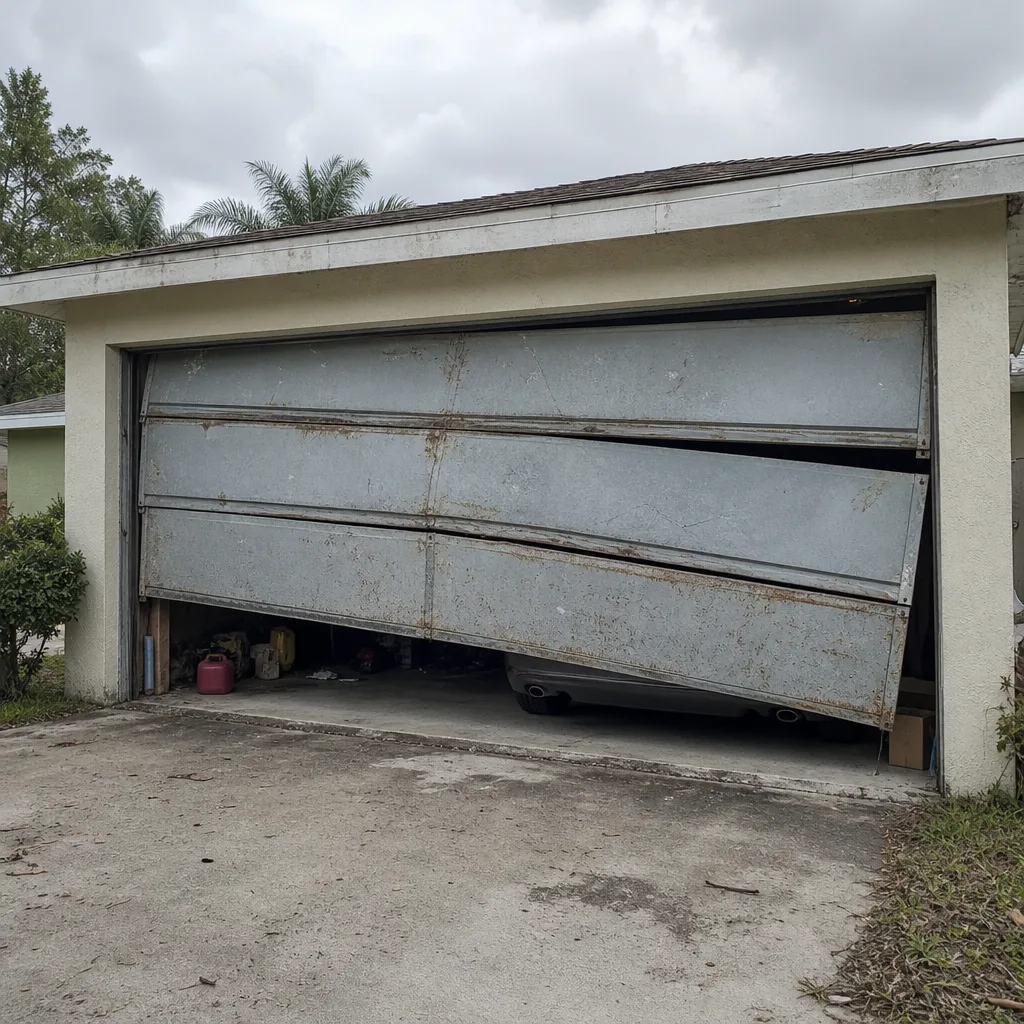 Before
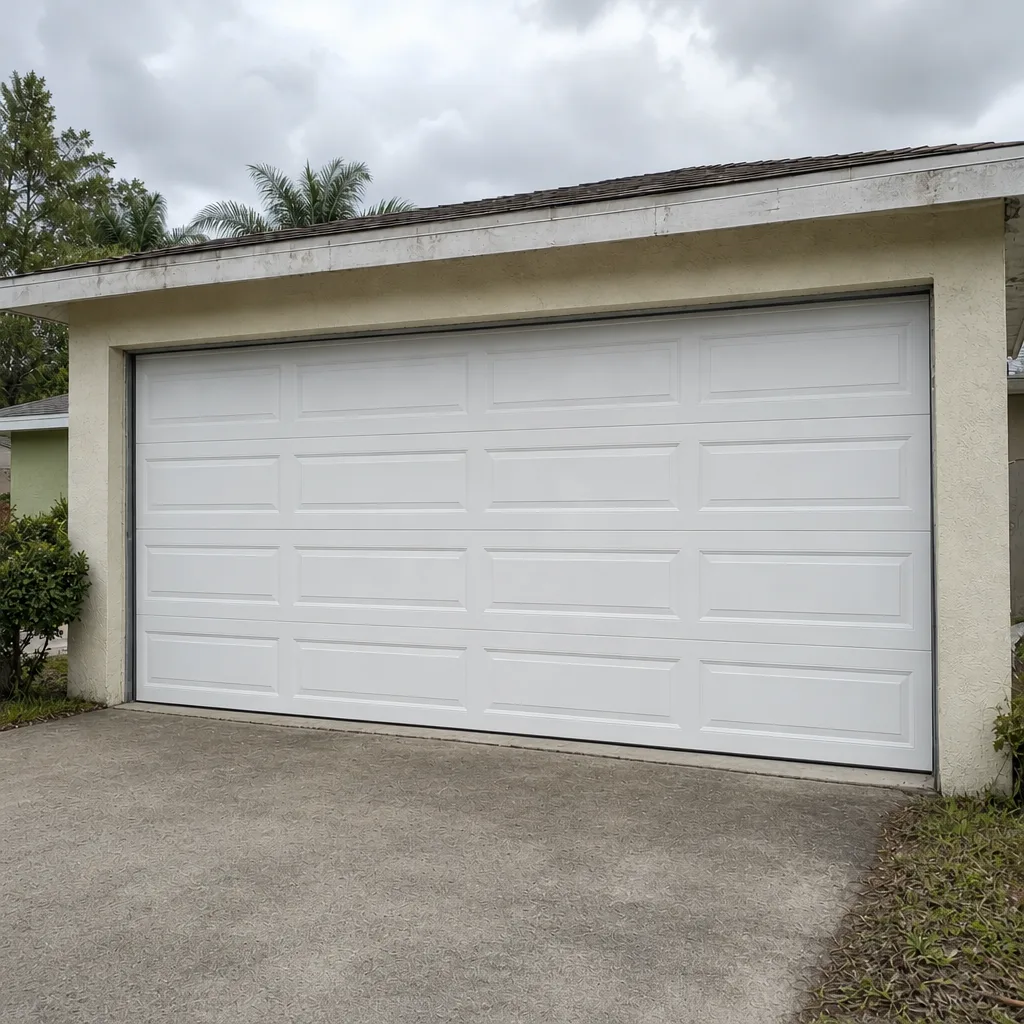 After
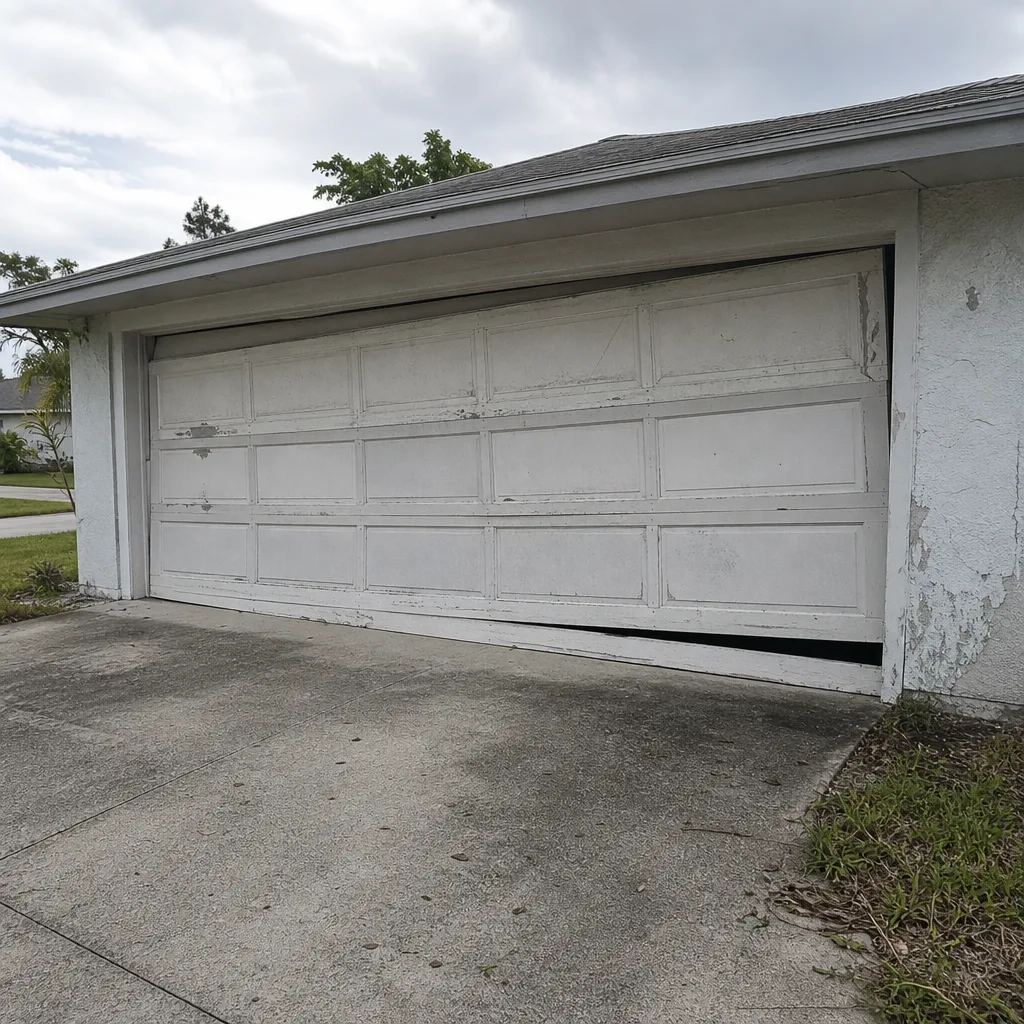 Before
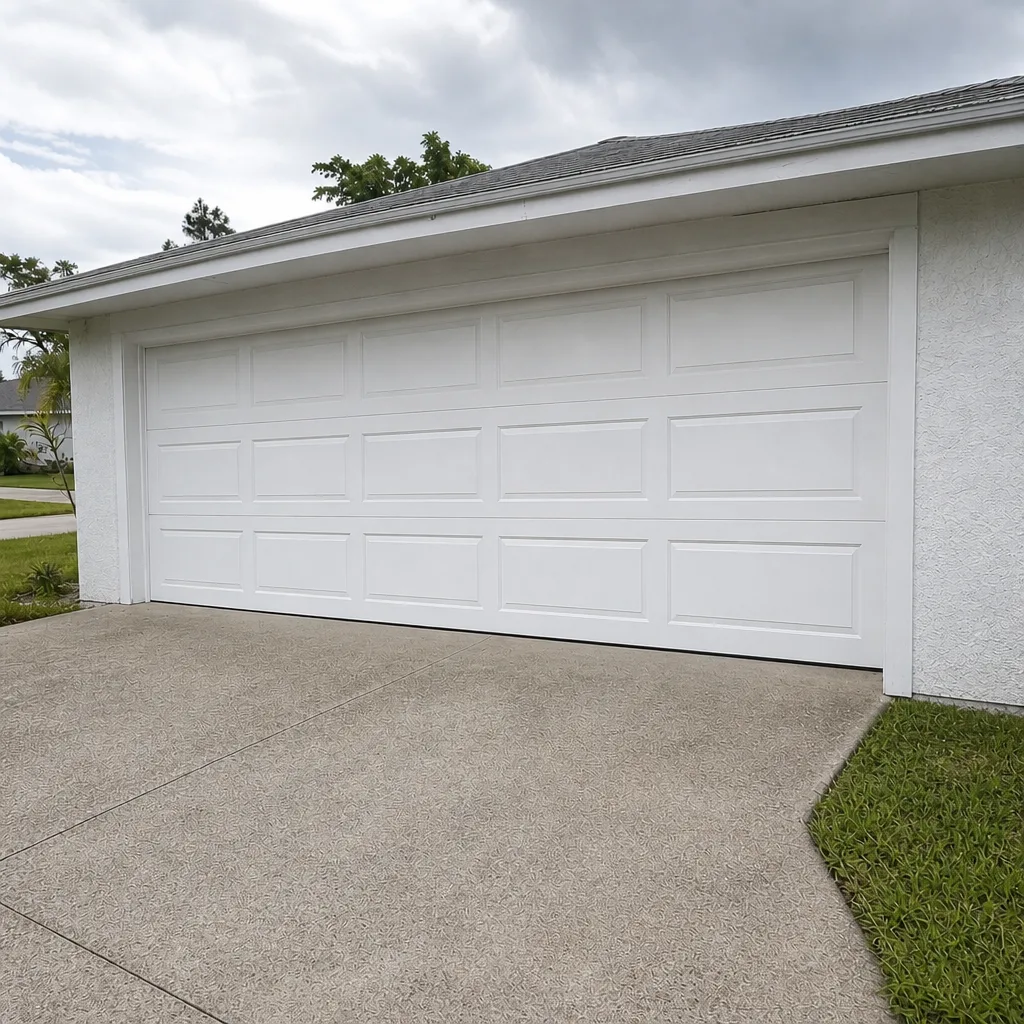 After
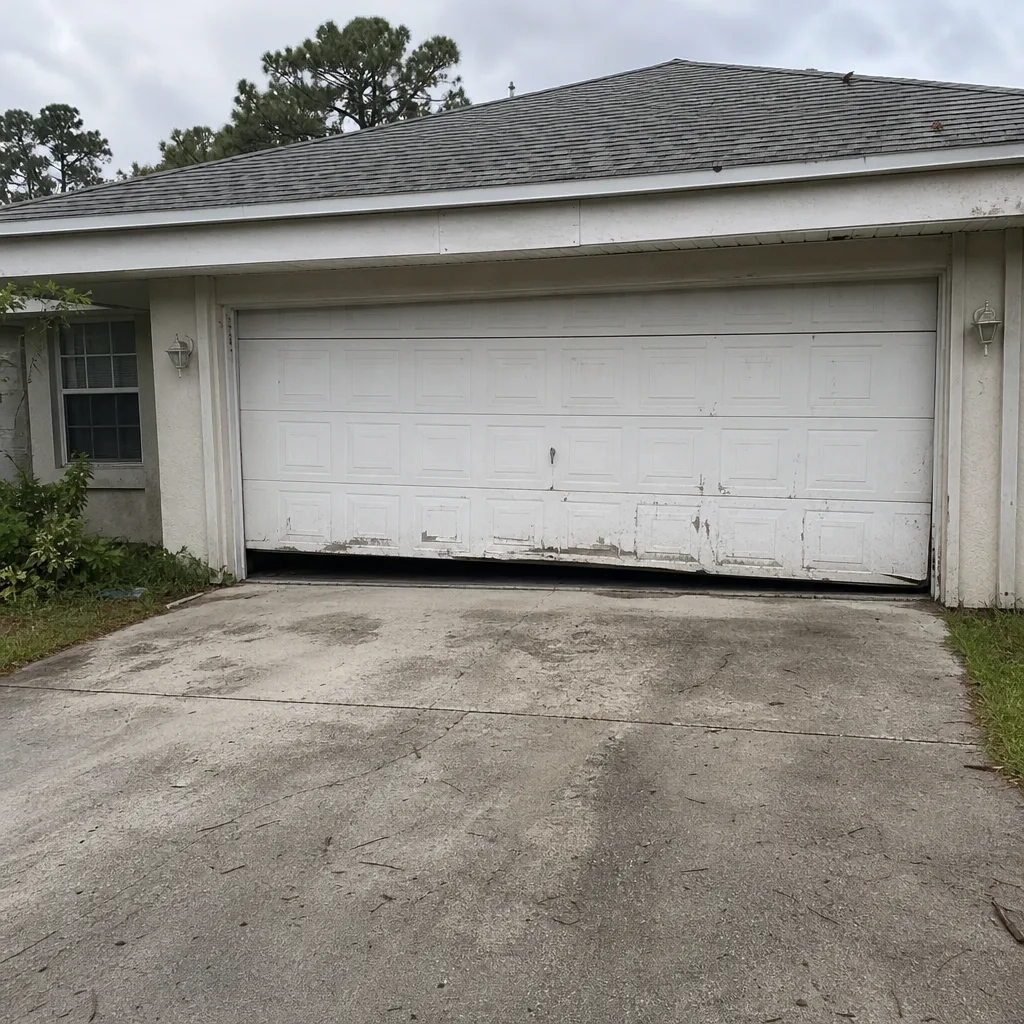 Before
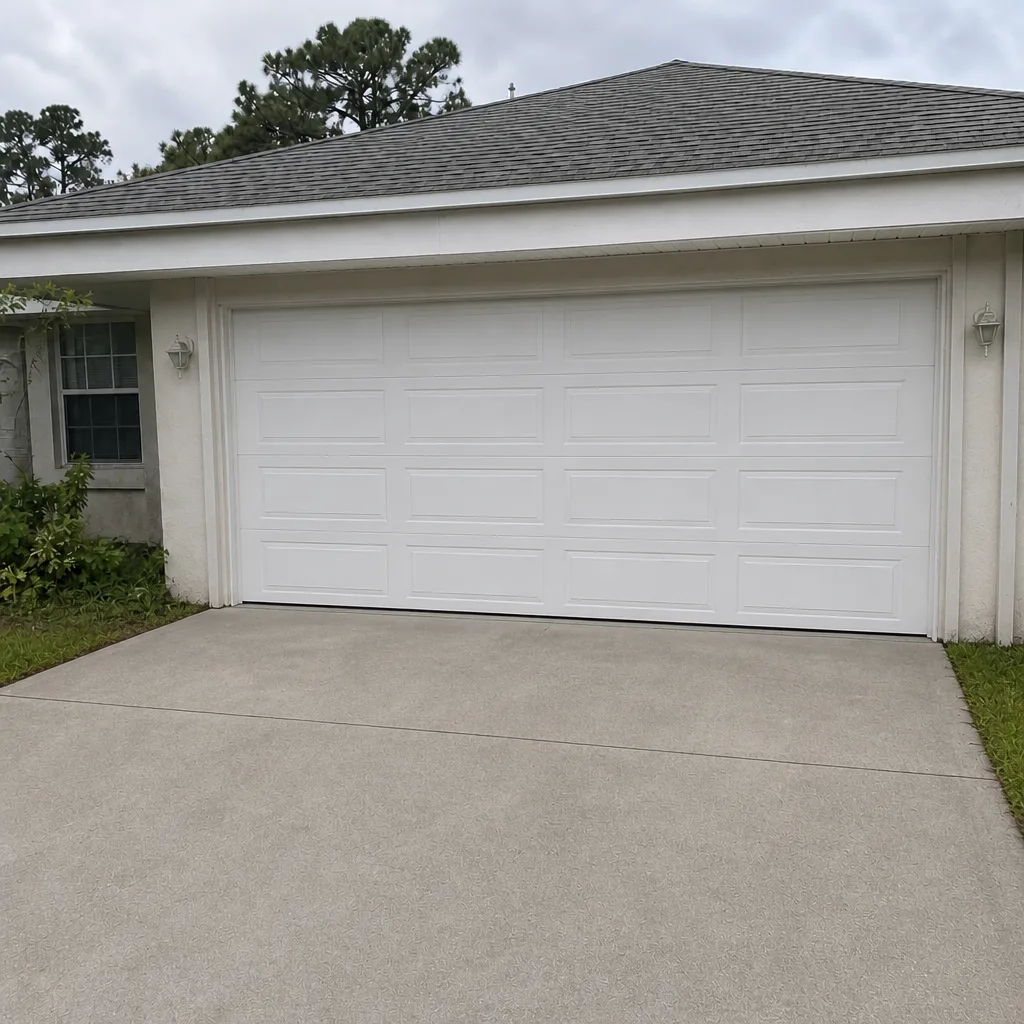 After
Frequently Asked Questions
The four most common are grinding or rattling rollers, rust on springs and hinge pins, a flattened or torn bottom seal, and an opener that hesitates or reverses. In Lehigh Acres humidity, roller grinding and seal compression show up earlier than spring rust, which is the reverse of what drier-climate guides describe. Call (844) 522-0595 for a free estimate if any of these are new on your door.
A visible gap in a torsion spring coil, deep orange rust along the wire, or a door that feels much heavier than usual all point to spring fatigue. In Lehigh Acres humidity, spring fatigue often shows up as a door that’s “a little slow” first. Never touch or adjust a spring yourself – it’s under heavy tension. If you see any of these signs, stop using the door and call (844) 522-0595.
Typical garage door repairs in Lehigh Acres run from a modest amount for a roller, hinge, or seal replacement up to a larger figure for spring or cable work, and the written estimate sets the final price before any work starts. We quote per job by the written estimate, and the estimate is free. Call (844) 522-0595 for an exact number on your door.
Yes, we offer same-day service for repair and emergency calls. We answer 24/7 and dispatch runs Sunday through Friday, 7am to 7pm. If you call outside dispatch hours, we’ll book you into the next opening Sunday through Friday, 7am to 7pm. Call (844) 522-0595 to schedule.
The opener reverses because its logic board thinks it hit an obstruction – usually a misaligned safety sensor, a binding track, or a spring that’s no longer balancing the door’s weight. Chamberlain, LiftMaster, Genie, and Raynor openers each report this with a different blink code, so reading the pattern tells us which cause it is. Stop using the door until it’s diagnosed; call (844) 522-0595. Estimates are free.
No. We quote and agree on the price before any work starts, and the written estimate is the price. A free estimate in Lehigh Acres means you know what the repair involves and what it costs before anyone picks up a tool. Call (844) 522-0595 to set one up.
The Bottom Line
Your garage door is talking long before it fails. The discipline is reading the sign correctly: grinding rollers, popping springs, slack cables, a slow door in the humidity, an opener that hesitates or reverses without a reason. Spring gaps, frayed cables, uneven travel, and unwanted reversals mean stop using the door today; grinding rollers, flattened seals, loose hinges, and remote-range loss mean book an appointment. In Lehigh Acres humidity, those signs appear earlier and in a different order than any national guide will tell you, and acting early on a small symptom saves the part behind it. Read the door once a season and you’ll rarely be caught off guard. When you’d rather have a specialist read it for you, visit Pilgrim Garage Door Repair or call (844) 522-0595 for a free estimate in Lehigh Acres.
Written by the team at Pilgrim Garage Door Repair.