
Last updated November 15, 2026
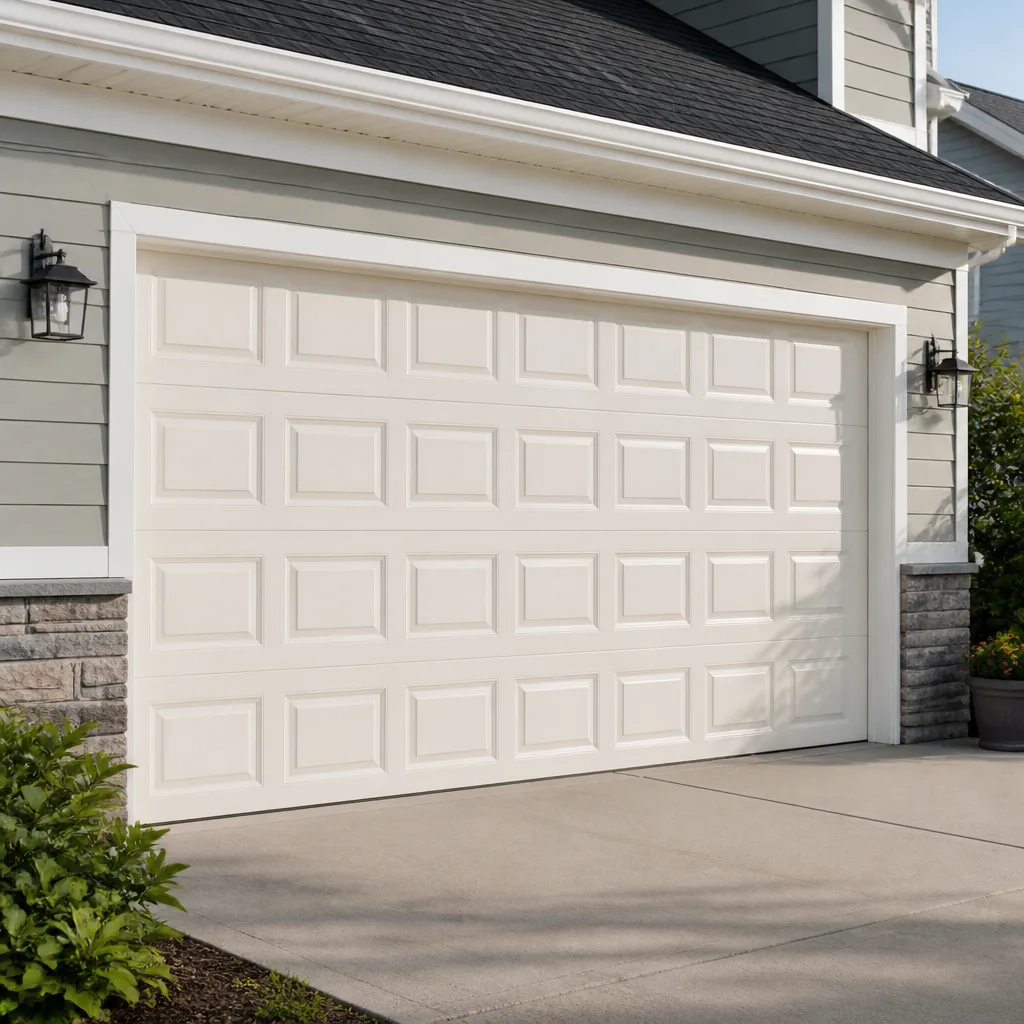 Raised-panel steel
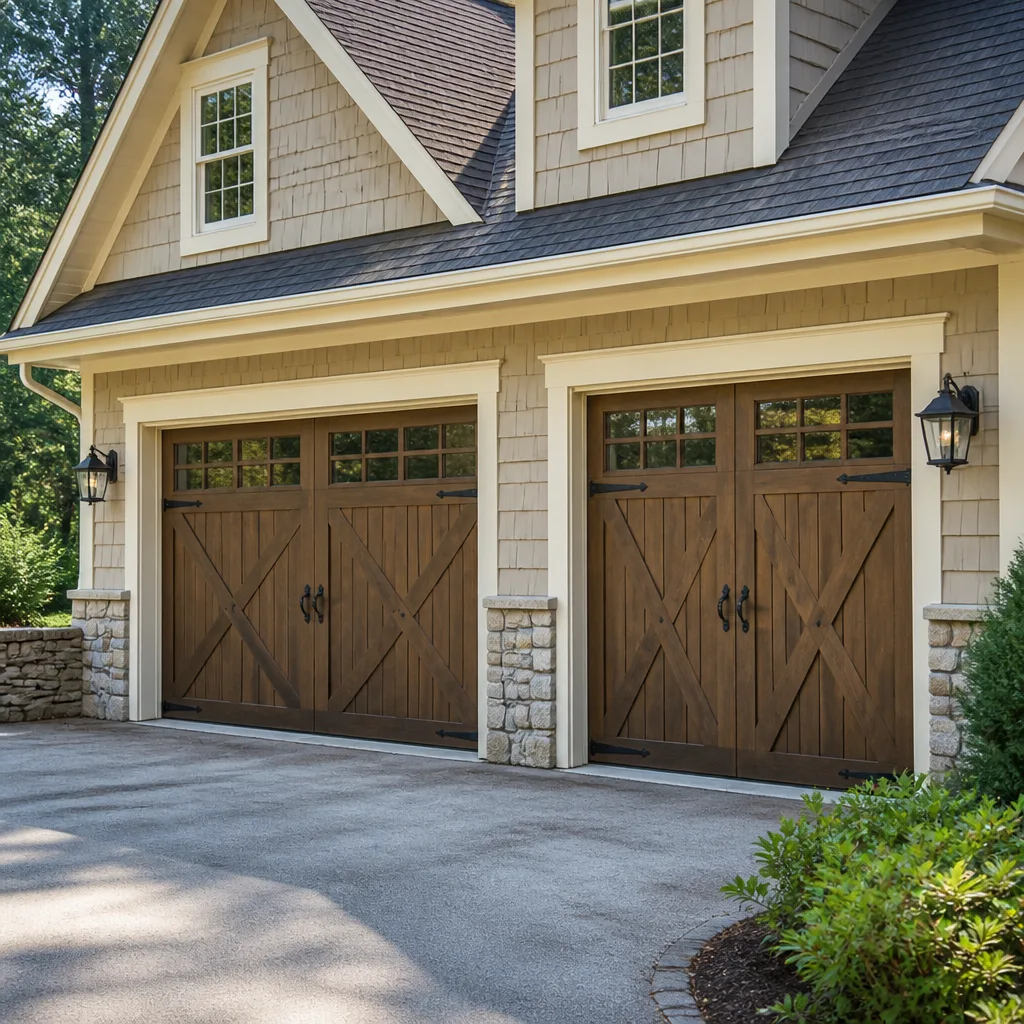 Carriage house
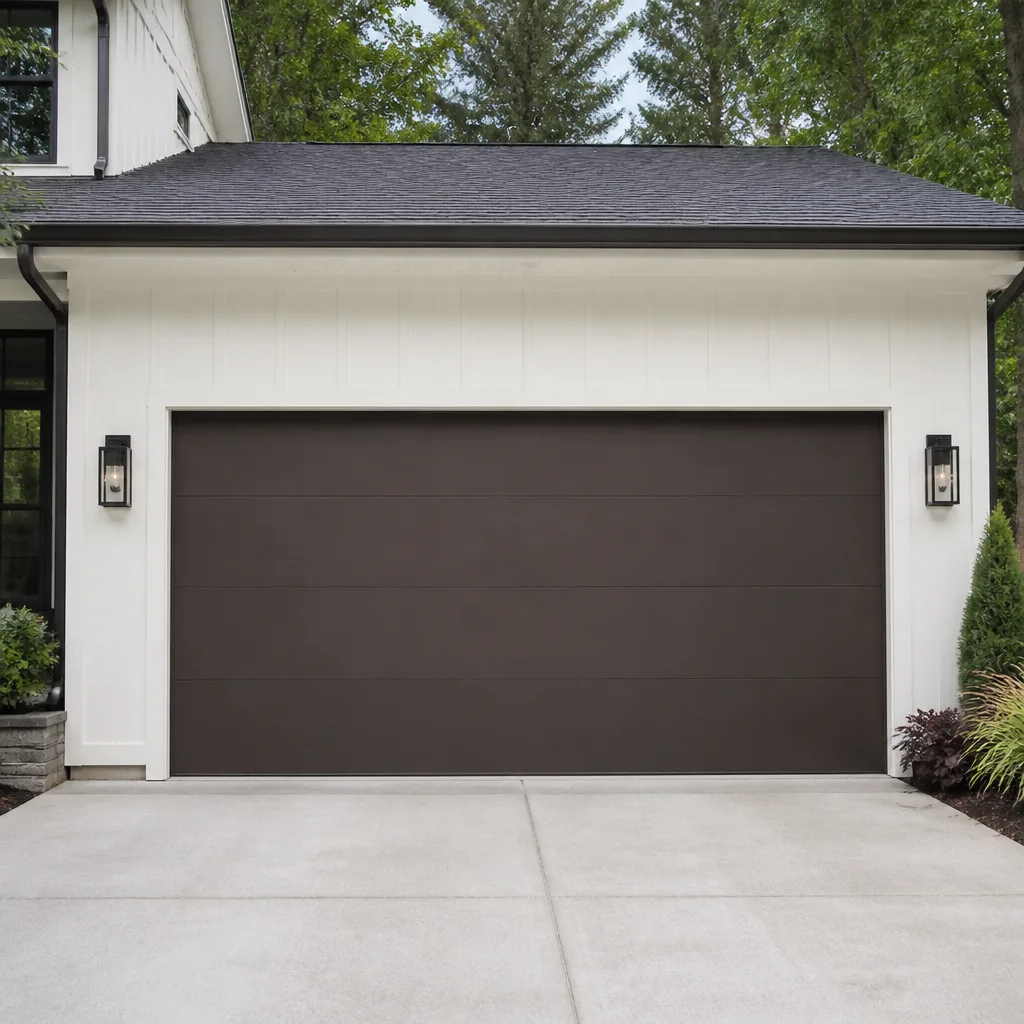 Modern flush
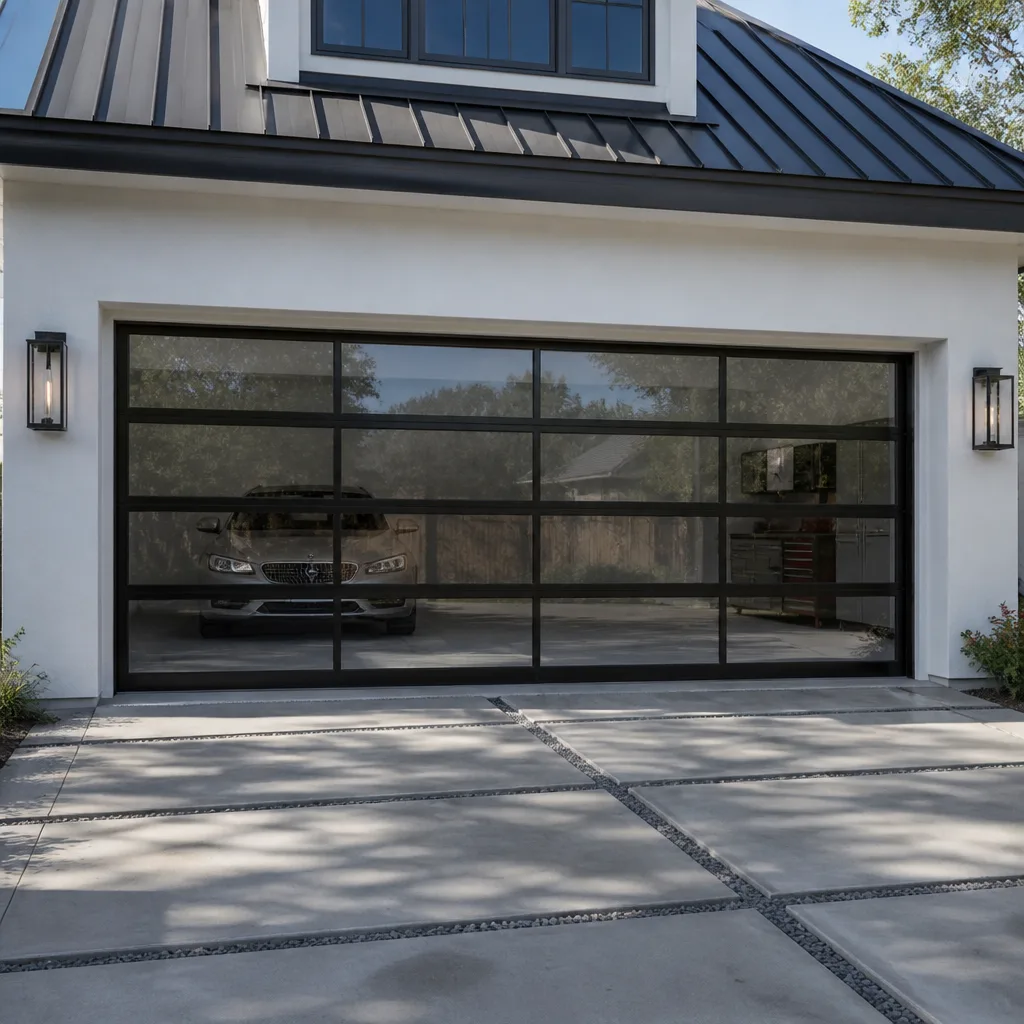 Full-view glass
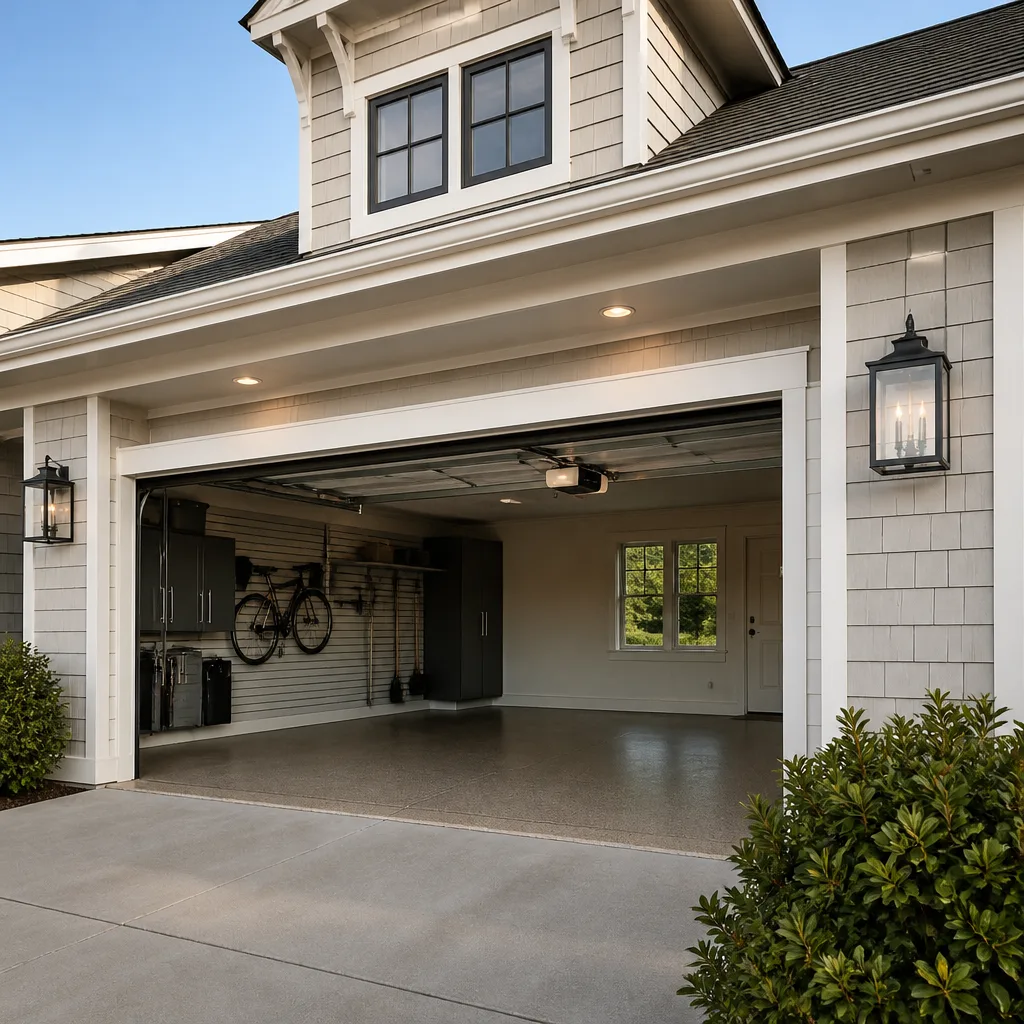 LiftMaster openers
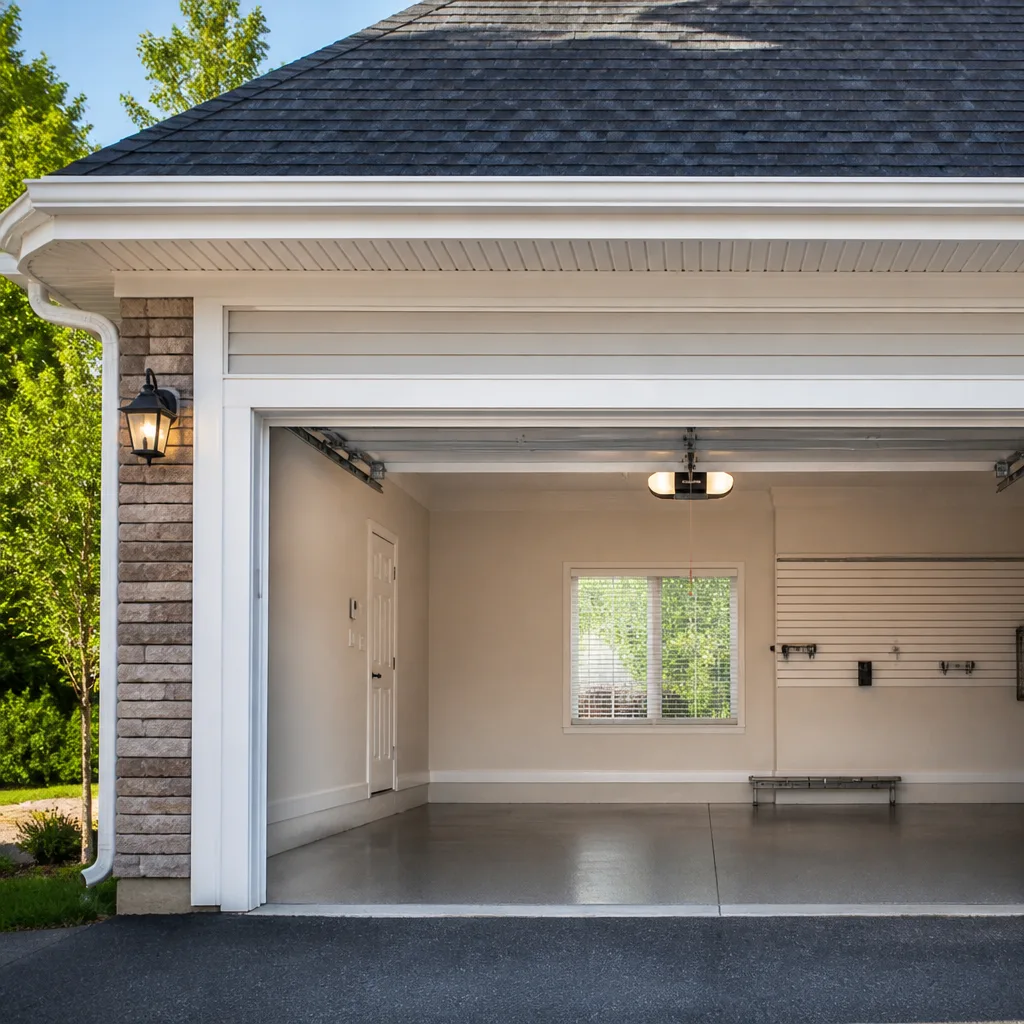 Chamberlain openers
Full 25-point door and opener safety check with every visit - springs, cables, rollers, tracks, and your LiftMaster or Chamberlain opener included
You get a price before we start. It does not change when the pro arrives.
Get your free estimateSeasonal Garage Door Care for Lehigh Acres: Year-Round Homeowner’s Guide
Most garage door maintenance advice you’ll find online was written for places with four hard seasons, and it tells you to winterize, watch for ice, and brace for the first freeze. Lehigh Acres doesn’t run on that calendar. Our year splits into a storm season, a stretch of sustained heat and humidity, and a short dry-cool window that most homeowners let slip by doing nothing. The tasks that actually protect a door here look different from the northern checklist, and skipping them is why springs snap in July and openers act up in August. This guide covers what to inspect and when across all three phases so your door keeps working through the year.
Quick Answer
Garage door care in Lehigh Acres follows three phases: a pre-hurricane inspection and manual-release test in May before storm season, humidity and electronics checks through June to September, and hardware service plus paint and finish work in the dry season from November to March. The single most important task is confirming your manual release works before a named storm threatens the power, because that’s what lets you open the door by hand when the opener is dead.
Styles & brands we work with
- Raised-panel steel
- Carriage house
- Modern flush
- Full-view glass
- LiftMaster openers
- Chamberlain openers
Table of Contents
- Why the Usual Maintenance Calendar Doesn’t Fit Lehigh Acres
- The May Pre-Hurricane Checklist
- Peak Humidity Months: June Through September
- How to Test and Exercise the Manual Release
- The Dry Season Window: November Through March
- Pest Intrusion Points Specific to Lehigh Acres
- What Brand You Have and Why It Matters
- Common Mistakes to Avoid
- When to Call a Professional
Why the Usual Maintenance Calendar Doesn’t Fit Lehigh Acres
A garage door is a mechanical system, and every part of it reacts to the weather around it. In a northern climate, the enemy is cold: metal contracts, lubricant thickens, and freeze cycles work hardware loose. Lehigh Acres hands you a different set of problems. Heat expands the metal, humidity attacks the seals and the electronics, and storm season adds wind-driven rain and the possibility of a long power outage. Those are three separate stresses, and they peak at different times of year.
The practical result is that a door here can look fine in January and fail in July, because the wear that builds up over a hot, wet summer doesn’t show until the part finally gives. Springs weaken gradually under sustained heat. Cables fray where they rub. Bottom seals dry out and pull away from the concrete. Opener circuit boards collect moisture and start behaving unpredictably. None of that is dramatic until it is.
So we tell homeowners in Lehigh Acres to think in phases rather than seasons. The pre-storm phase in May is about inspection and readiness. The peak humidity phase from June to September is about monitoring and keeping the system cool and dry. The dry-cool window from November to March is when you do the real maintenance work: hardware service, lubrication, paint and finish, and any repair that’s easier to schedule than to rush. Getting the timing right is most of the job.
One note on terminology: “garage door maintenance” doesn’t mean a monthly appointment or a service plan. It means knowing what to check, checking it at the right time, and calling a specialist when something looks worn. Everything in this guide is something a careful homeowner can look at and assess. The parts that involve springs and cables are not, and we’ll be clear about where the line is.
The May Pre-Hurricane Checklist
May is the month to get ahead of storm season, before the first system forms. The goal isn’t to make your door storm-proof, because no residential sectional door is rated for every wind event, but to make sure nothing on the door is already failing when the wind and rain arrive. A door that’s marginal in calm weather becomes a real problem in a storm, and a door that won’t open by hand is a problem during an outage.
Here’s the inspection we walk through before storm season, in order:
- Look at the springs. Open the door and watch the torsion spring above the door or the extension springs along the sides. Look for gaps, a stretched or uneven coil, and rust. A spring showing any of those signs is asking to break under load, and you don’t want to find out while the power’s out.
- Check the cables. Run your eye along each cable for fraying, kinks, or a loose drum wrap. Cables under tension are dangerous to touch, so look, don’t pull.
- Inspect the bottom seal and side gaps. The rubber seal along the bottom should sit flat against the concrete and flex back when you press it. Side jamb gaps wider than a pencil are both a water and a pest entry point.
- Test the balance. Disconnect the opener (more on that below) and lift the door halfway by hand. It should hold roughly where you let go. If it falls or rises on its own, the springs or the balance need attention.
- Check the rollers and hinges. Rollers should turn freely and hinges should be tight. Wobble here is what leads to a door that jumps its track.
- Test the manual release, then re-engage. This is the one most people skip. Do it now, in May, not when a storm is two days out.
- Look at the weatherstripping around the frame. Torn or missing strips let wind-driven rain past the door. This is a simple replacement most homeowners can manage.
If any of those items come back with a real problem, fix it in May while the schedule is open. That’s the practical logic behind the pre-storm phase: repairs done in May don’t compete with storm-season calls, and you go into June knowing the door is sound. For anything that’s more than weatherstripping or a roller, our garage door repair team can look at it and give you a written estimate before any work starts.
Peak Humidity Months: June Through September
From June through September, Lehigh Acres runs hot and damp at the same time, and that combination is harder on a garage than either condition alone. Heat expands the metal in the tracks and the door panels. Humidity gets into everything the heat opens up. The door is working against both at once, every time it moves.
What actually goes wrong in this stretch, in our experience:
- Springs and cables fatigue faster. Steel under sustained heat and constant cycling loses strength over time. This is the time of year when we get the most broken-spring calls, and it’s not coincidence.
- Seals dry out and pull away. The bottom seal and jamb weatherstripping degrade from the heat, then moisture gets behind them and the gap widens. That’s your first path for water and pests.
- Opener electronics act up. Circuit boards, photo-eye sensors, and remotes all dislike sustained humidity. A sensor that worked all spring can start refusing to close the door, and the fix isn’t always obvious without a diagnostic.
- Lubricant dries off the moving parts. Rollers, hinges, and the torsion bar lose their film and start to squeal or drag. A dry hinge is a hinge that’s wearing.
- Tracks expand and shift. Metal tracks move as the door heats up, and a track that’s slightly out of alignment in June becomes a door that scrapes in August.
What you can do during these months is monitor and light-touch. Keep the rollers and hinges lubricated with a garage door lubricant. Wipe condensation off the opener housing if you see it. Wipe down the photo-eye lenses and make sure nothing’s blocking them. Listen to the door as it moves; a new noise in July is information. And keep the bottom seal clean so water doesn’t pool against the door and work its way under it.
What you shouldn’t do is try to adjust the springs. Torsion springs store enormous energy, and adjusting the tension on one is genuinely dangerous work that a trained technician should handle. Extension springs are no safer. In our experience, the humidity months are exactly when those parts are under their worst load, so if the door starts feeling heavy or sluggish, that’s a call, not a DIY project. If the opener is the part misbehaving, our garage door opener repair specialists can diagnose it, including the smart and Wi-Fi enabled units from LiftMaster, Chamberlain, and Genie.
How to Test and Exercise the Manual Release
The manual release is the pull cord or lever that disconnects the door from the opener so you can open it by hand. It’s the single most important thing to check before storm season, and it’s the thing most homeowners never touch. If a named storm knocks out power, the manual release is how you get your car out of the garage, get the door open, and check on the house. If it’s seized, you’re stuck.
Testing it is simple, and this is the process we recommend doing in May and then again a couple of times through the year:
- Stand clear of the door and lower it fully.
- Pull the release cord or lever. You should feel it move cleanly and hear the door disconnect from the opener carriage.
- With the door disconnected, lift it slowly by hand to about waist height.
- Let go. A well-balanced door should stay roughly where you left it. A door that drops fast is telling you the springs are weak.
- Lower it back down by hand and re-engage the release. Most openers require you to pull the door down and let the carriage reconnect, or to run the opener and let it latch. Check your opener’s manual for the exact step.
- Run the door once with the opener to confirm the connection took.
Two safety notes here, because this is where people hurt themselves. Never reach under a moving door or a door in the up position that’s held by the opener. And never use the manual release to try to fix a door that’s jammed or off its track; if it doesn’t lift cleanly by hand, stop and call. That’s a problem with the door, not the release. On a door with a heavy spring or a worn cable, an uncontrolled drop can cause serious injury, which is why we’d rather you test the release with the door already down and no one underneath it.
If the release sticks, the cord is tangled, or the door won’t hold its position, that’s a job for a technician. It’s also worth knowing before a storm, not during one, so May is the right window. If you check and something’s off, call (844) 522-0595. We answer 24/7, and we can get a technician out with fast dispatch from 7am to 7pm.
The Dry Season Window: November Through March
This is the window most homeowners waste. From November through March, Lehigh Acres gets its driest, coolest stretch of the year, and that’s the best time for nearly every maintenance and repair task on a garage door. The heat load is lower, the humidity is down, the storm season is over, and the schedule is easier to work with. If you’re going to do one maintenance push a year, do it here.
What belongs in the dry-season window:
- Hardware service. Lubricate rollers, hinges, and the torsion bar. Check the fasteners and tighten what’s worked loose. Replace any roller that’s worn flat or noisy. Clean out the tracks. This is the maintenance that carries you through the humid months.
- Spring and cable inspection. The dry months are the right time to have a specialist look at the springs and cables while nothing’s under peak load. Better to find a worn spring in January than to have it fail in July.
- Paint and finish work. If the door is steel or wood, this is the time to touch up paint, address peeling, or refinish a faded door. Paint cures better in the lower humidity, and it doesn’t cure at all well in the middle of an August rain pattern. A door finish that’s intact is a door that resists moisture and rust.
- Seal and weatherstripping replacement. Replace the bottom seal and jamb weatherstripping before the rainy season starts. It’s a small job with a big effect on water intrusion.
- Opener inspection. Test the safety features, the photo-eye alignment, the up and down force limits, and the battery backup if the opener has one. This is also when you’d swap in new opener battery backup cells or check the remote batteries before the storm season.
- Planning. If the door is getting toward replacement, the dry season is when to start measuring and deciding on a new door, so it’s ordered and installed before storm season gets close. New doors on Clopay, Amarr, or Raynor lines are a scheduled job, not a same-day one.
Doing this work in November through March also means you’re not doing it in the middle of the months when door problems spike. It’s a quieter, cheaper time to get a technician out, and the repair you make in January isn’t one you’re making in a storm. When you call, the price is quoted and agreed before any work starts, so you’re not committing to a number you haven’t seen in writing.
Pest Intrusion Points Specific to Lehigh Acres
A garage door is one of the largest openings on a house, and in Lehigh Acres it’s also one of the easiest for pests to find a way through. The climate keeps insects and small animals active much of the year, and the same gaps that let water in let them in too. The key is closing those gaps without making the door hard to operate.
The three entry points we see most:
- The bottom seal. The rubber strip along the bottom of the door is the biggest opening. If it’s cracked, curled, or sitting on a gap, everything under the sun finds its way in. Check it by looking for daylight under the closed door and by pressing along the seal to see whether it flexes back to the concrete.
- Side gaps. The gaps between the door edges and the frame are often wider than they look, especially on a door that’s settled or shifted. A jamb seal or weatherstripping closes them without interfering with the door.
- The top and the corners. The gap at the header and the roofline corners are less obvious but real. Check them while you’re checking the side gaps.
Replacing a bottom seal or adding jamb weatherstripping is straightforward work that a homeowner can generally handle, and it’s the kind of thing the dry season is perfect for. When you replace the seal, make sure the track it slides into is clean and that the new seal fits without binding. A seal that’s too thick will drag on the door and stress the opener.
What you don’t want to do is pack the gaps with loose material or foam that binds the door, because that’s a door that won’t close or an opener that burns itself out fighting the seal. If the door is dragging after a new seal or the gaps are big enough that a replacement won’t close them, that’s a frame or door alignment question. A specialist can look at it and tell you which. Our technicians have up to 15 years of experience with doors across material and style lines, and they can tell the difference between a seal problem and a door problem.
What Brand You Have and Why It Matters
Seasonal care is easier when you know what you’re working on, because parts and troubleshooting steps differ by brand and by era. Lehigh Acres has a lot of builder-grade doors and openers still in service, alongside newer smart openers and replacement architectural doors. The brand on the door and the opener tells you which parts to check first and what kind of maintenance it takes.
On the door side, you’ll see a lot of builder-grade Wayne Dalton doors, which often use extension springs and lighter-gauge hardware, and a wide range of Craftsman-branded doors and openers from the same builder era. Newer and replacement doors are frequently on Clopay, Amarr, or Raynor product lines, which include the architectural and premium styles. Each has its own hardware tolerances and its own seals, and knowing which one you have makes the seasonal checklist more accurate.
On the opener side, LiftMaster, Chamberlain, Genie, and Craftsman are the four you’ll see most, and the seasonal check looks a little different for each. Smart and Wi-Fi enabled units from LiftMaster and Chamberlain, and Genie units with Aladdin Connect, want the same electrical and mechanical checks as older radio-frequency openers, plus a check on the network connection and the app pairing. Legacy units want a look at the circuit board and the travel limits. Either way, the humidity months are when you’ll notice the difference.
If your seasonal inspection turns up a part that’s worn or a door that’s reached replacement, our garage door repair team, our opener specialists, and our installation side all work on the brands above. We also service Lehigh Acres homes specifically, so the advice here is tuned to the local climate rather than a general northern calendar. If you’re not sure what you’ve got, take a photo of the opener housing and the door label and we can tell you.
Common Mistakes to Avoid
- Following a northern maintenance calendar. Winterizing advice that tells you to brace for freezing weather is aimed at a climate Lehigh Acres doesn’t have. The right time for your maintenance work is the dry season, not the cold season.
- Wasting the dry-season window. November through March is the best time for hardware service and paint work, and most homeowners let it pass doing nothing. That’s the window where a small maintenance job prevents a storm-season failure.
- Never testing the manual release. People find out their release is stuck when the power’s out after a storm. Test it in May, and test it again through the year.
- Trying to adjust springs or cables yourself. This is the mistake with real injury potential. Springs and cables under tension are a job for a trained technician, and a door that’s behaving badly under load is a call, not a project.
- Ignoring the bottom seal because it “looks fine.” A seal that’s curled or sitting on a gap lets in water and pests, and it’s easy to miss when the door’s closed. Check for daylight under the door.
- Assuming the opener is the whole problem. In the humidity months, a door that won’t close is often a sensor or a seal problem, not a dead opener, and guessing at the opener can waste time. Have it diagnosed first.
- Skipping lubrication in the hot months. A dry hinge wears faster and puts more load on the opener. A few minutes with the right lubricant in the summer saves a repair later.
When to Call a Professional
Most of the seasonal checklist is something you can look at and, in places, do yourself. But there’s a line where it becomes a technician’s job. Call a specialist if the door is unbalanced, slow, or heavy; if you see gaps, rust, or stretch in the springs or fraying in the cables; if the door is off its track or won’t close; if the opener is running but the door won’t move or the safety sensors refuse to close the door; or if you’re unsure whether a part is worn. Those are all signs that a part is failing under load, and the spring and cable ones are genuinely dangerous to handle.
Pilgrim Garage Door Repair offers free estimates in Lehigh Acres. The price is quoted and agreed before any work starts, and the written estimate is the number. Our technicians have up to 15 years of experience with the brands above, and our opener specialists diagnose both legacy and smart systems. Call (844) 522-0595. We answer 24/7. Fast dispatch from 7am to 7pm, Sunday through Friday.
Frequently Asked Questions
Twice a year, timed to the local phases: a pre-hurricane inspection in May and a full maintenance push in the dry season from November through March. Between those, do a light check of the seals, rollers, and opener once a month through the humidity months. The May inspection is about readiness for storm season, and the dry-season work is about restoring the hardware and finish. If you do only one, do the May inspection, because the manual release test is what protects you in an outage.
Test the manual release. It’s the part that lets you open the door by hand when the opener has no power, and a seized or tangled release is the thing most homeowners discover during a storm instead of before one. Do it with the door down, lift it partway by hand, let it go, then re-engage. If it sticks or the door drops when you let go, call for a specialist before storm season. Our opener team can diagnose the release and the opener together.
It can, yes. Sustained humidity is hard on circuit boards, photo-eye sensors, and remotes, and the symptoms can look like an opener failure when the door itself is the problem. Keep the sensors clean and clear, watch for condensation on the opener housing, and have the unit diagnosed if it starts behaving unpredictably. Smart units from LiftMaster, Chamberlain, and Genie need the same electrical checks as legacy ones, plus a check on the network connection. Call (844) 522-0595 for a diagnostic; estimates are free.
Yes, we connect you with state-licensed, insured and bonded professionals, and the technicians are trained on the brands we service. For any spring, cable, or balance work, that matters, because those parts carry serious energy. If you’ve been trying to sort out a door yourself and it’s not behaving, stop and let a technician look at it.
No. The price is set by the written estimate, quoted and agreed before any work starts, and that’s the number you pay. We give you the range up front and then confirm it in writing once we’ve seen the door. If the diagnosis changes the job, you’ll hear it before we do anything. Call (844) 522-0595 for a free estimate.
No. Installation is a scheduled job, because the door has to be measured, ordered, and then installed. The dry season from November through March is the ideal time to start the process, so the door is in before storm season arrives. If you’re planning a replacement on a Clopay, Amarr, or Raynor line, call early and get the measure and the written price confirmed. Our installation specialists handle the whole process from measure to finish.
The Bottom Line
Lehigh Acres doesn’t run on a four-season calendar, and your garage door maintenance shouldn’t either. The three phases that matter are May for the pre-hurricane inspection and manual-release test, June through September for humidity and electronics monitoring, and November through March for the real hardware service and finish work. Test the manual release before storm season. Keep the seals and rollers maintained through the humid months. Do the spring and cable inspection and the paint work in the dry window. Leave the springs and cables to a trained technician. If you follow those phases, the door carries you through the year that’s actually here, not the one the northern advice assumes.
If you’re not sure what shape your door is in, call (844) 522-0595 for a free estimate. We answer 24/7, with fast dispatch from 7am to 7pm, Sunday through Friday.
Written by the team at Pilgrim Garage Door Repair.
See the difference
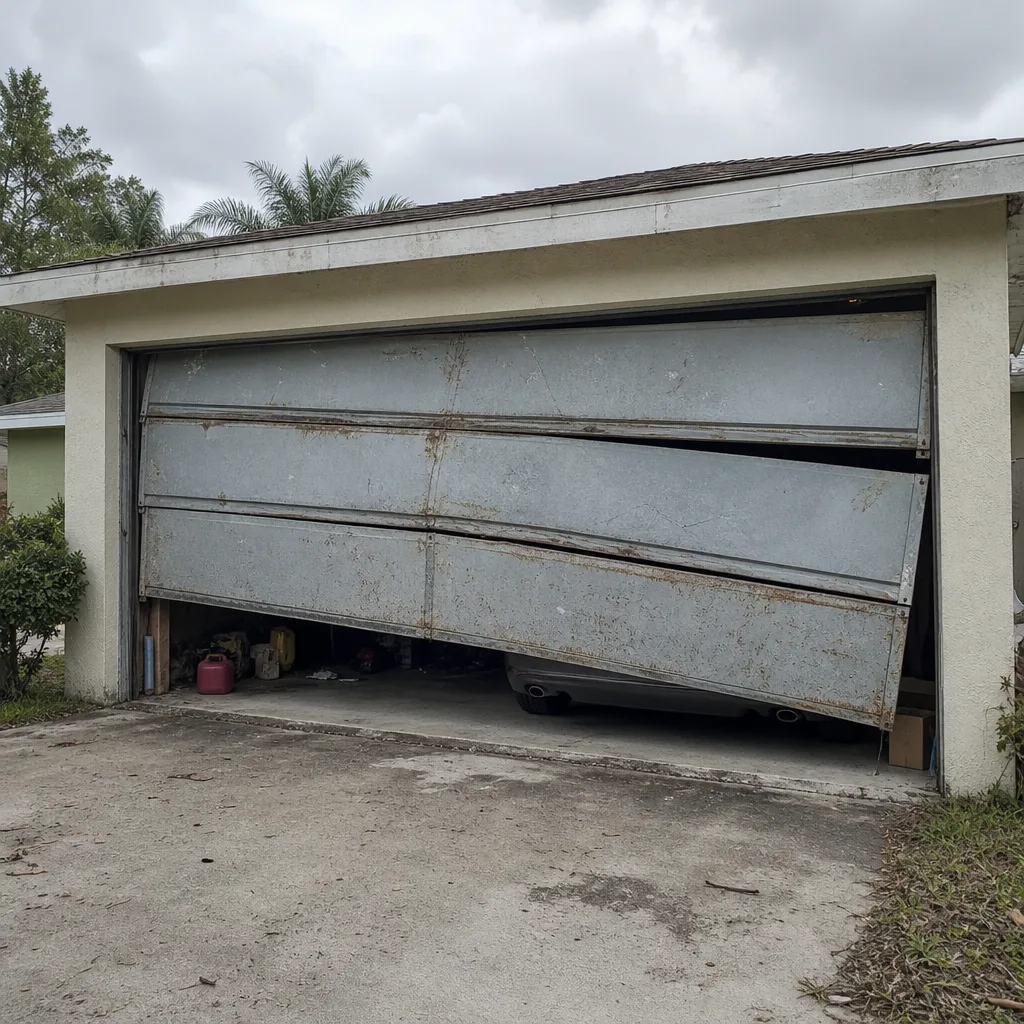 Before
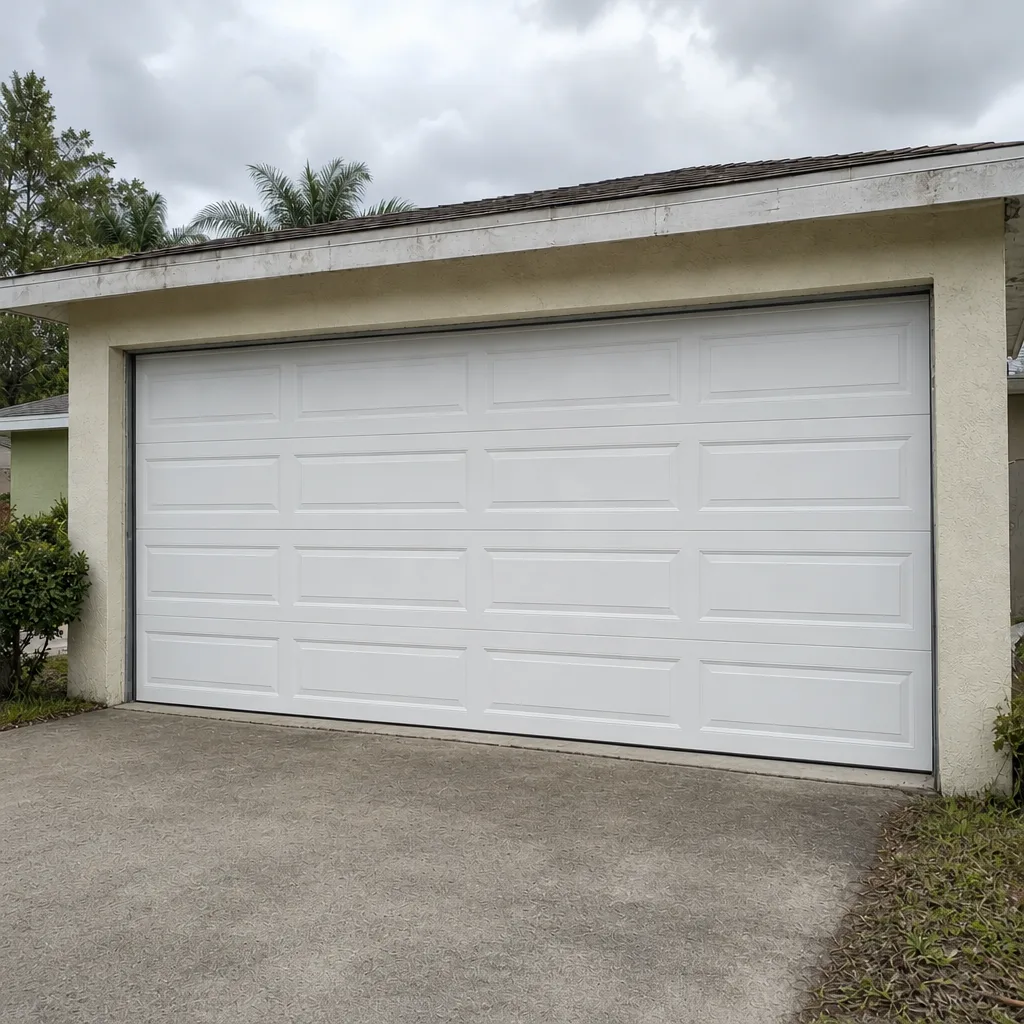 After
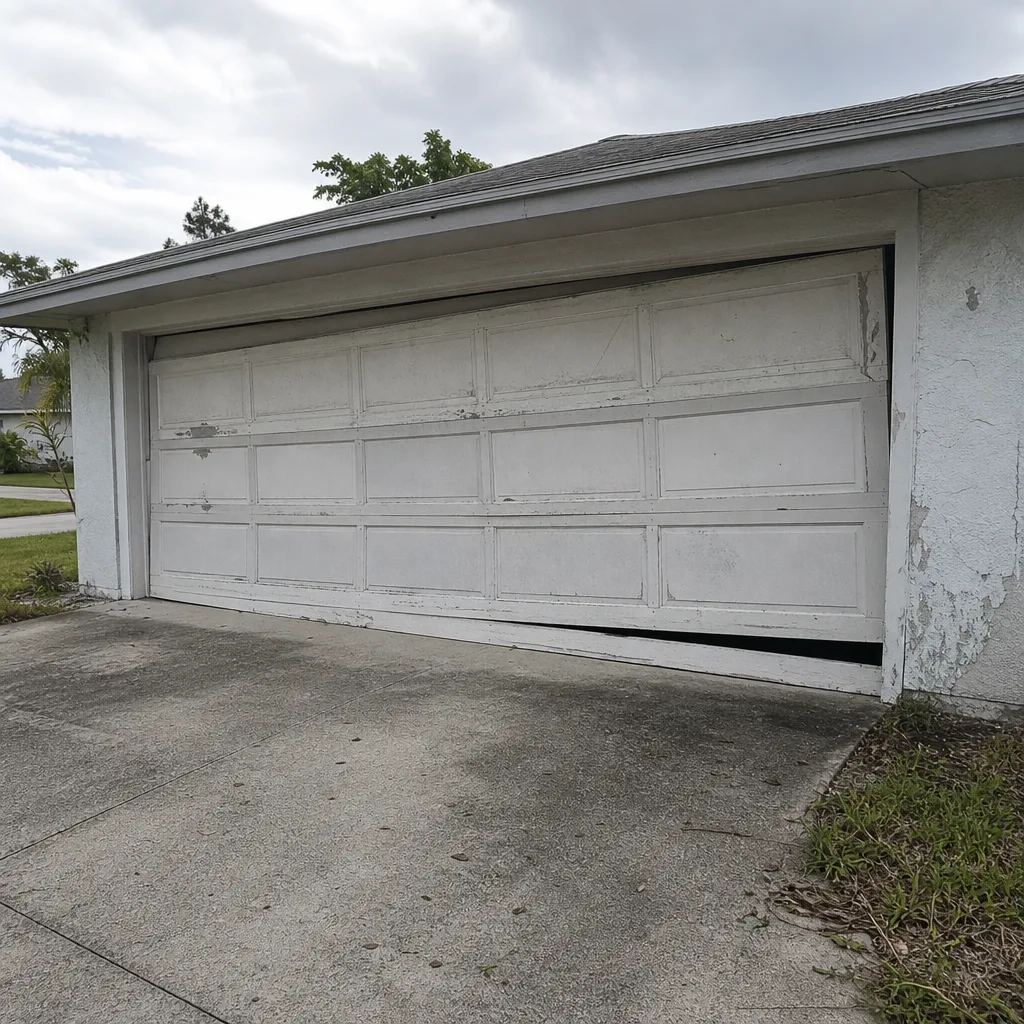 Before
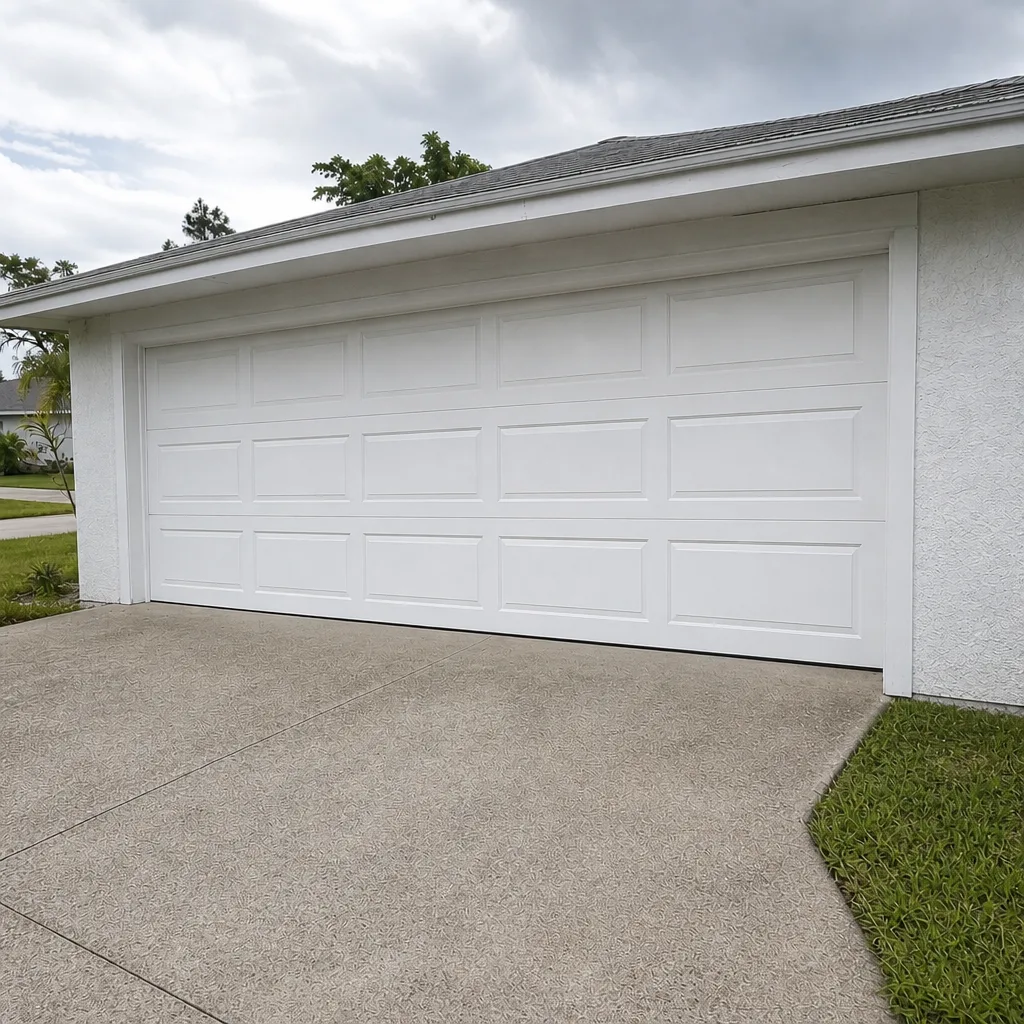 After
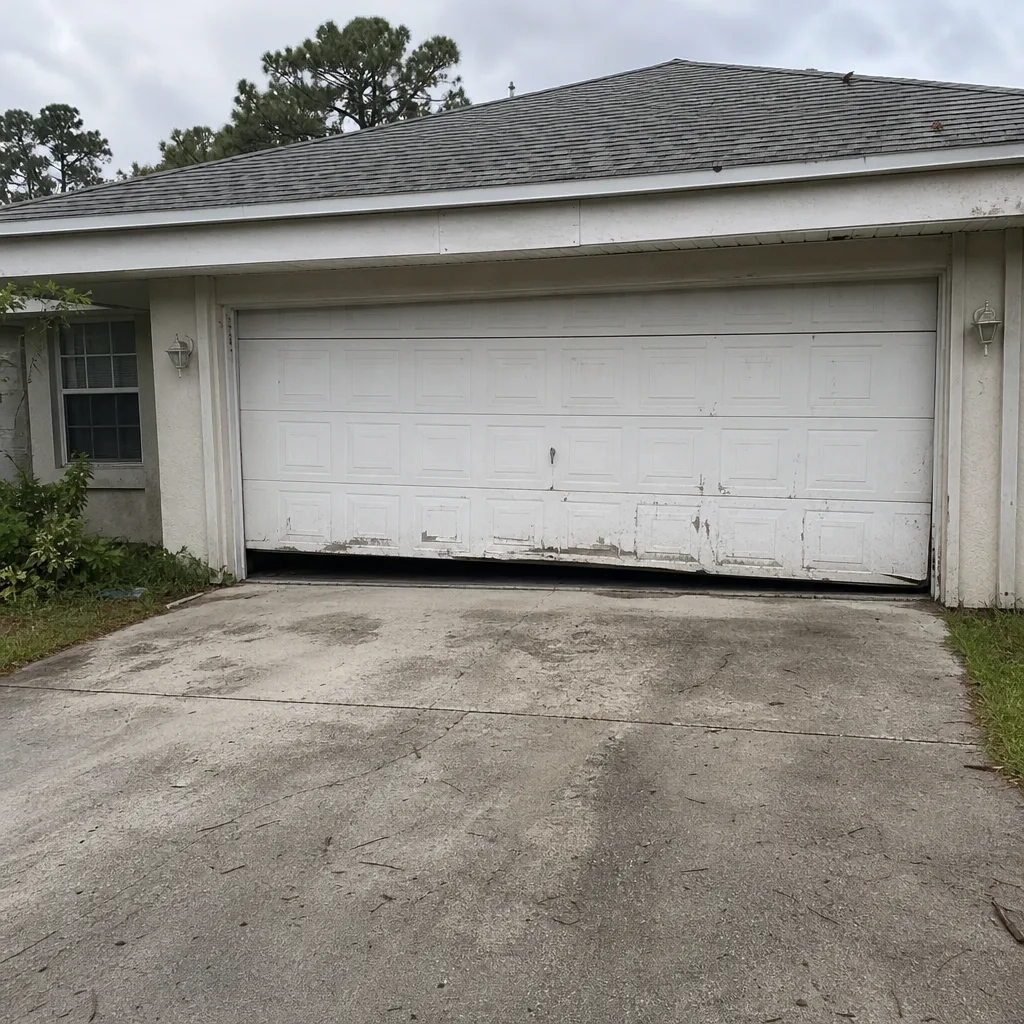 Before
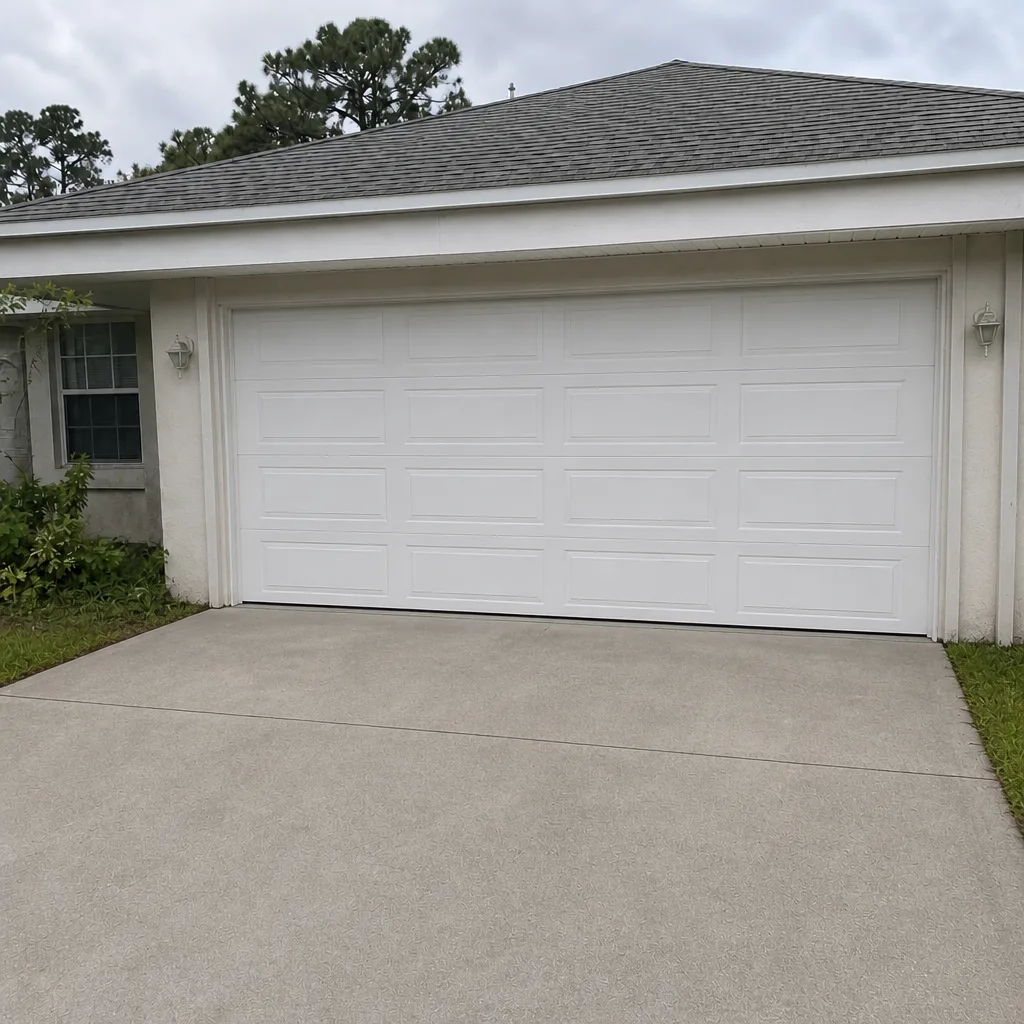 After