
Last updated November 15, 2026
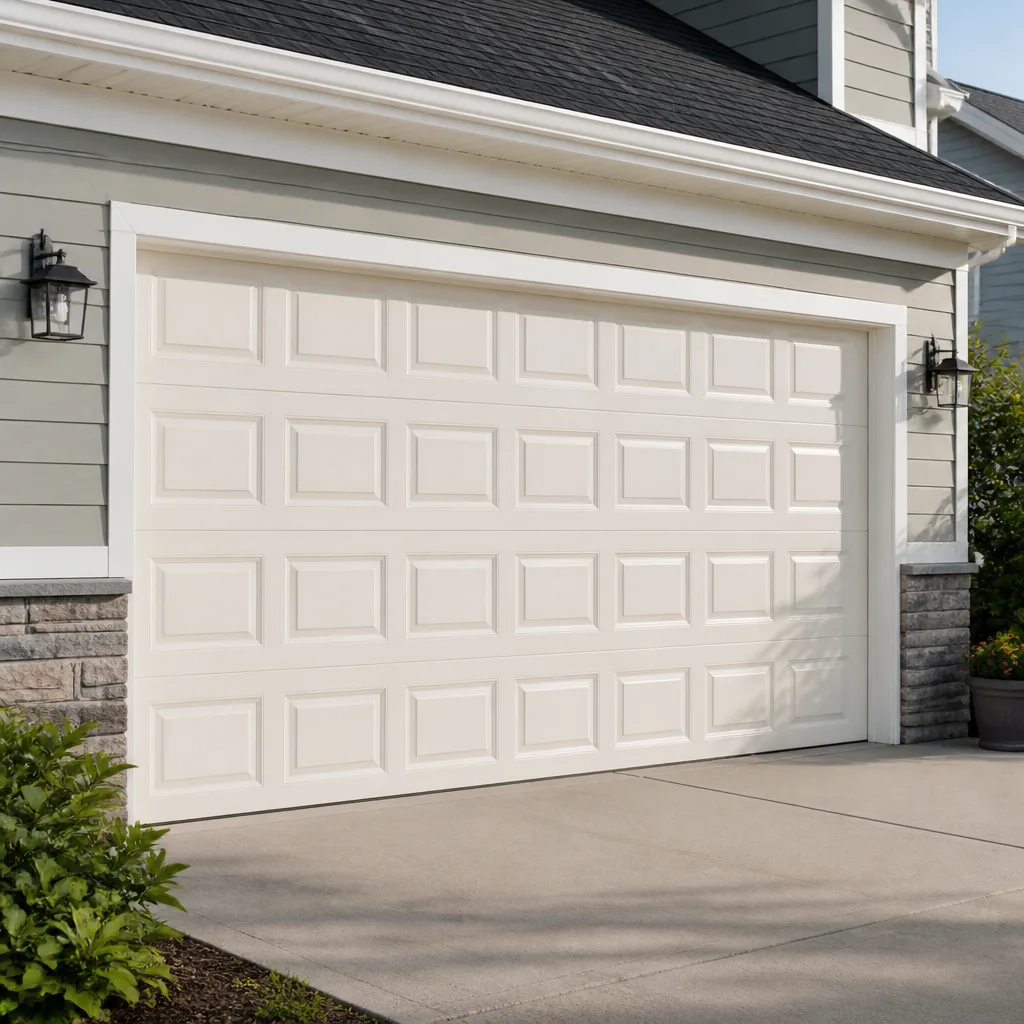 Raised-panel steel
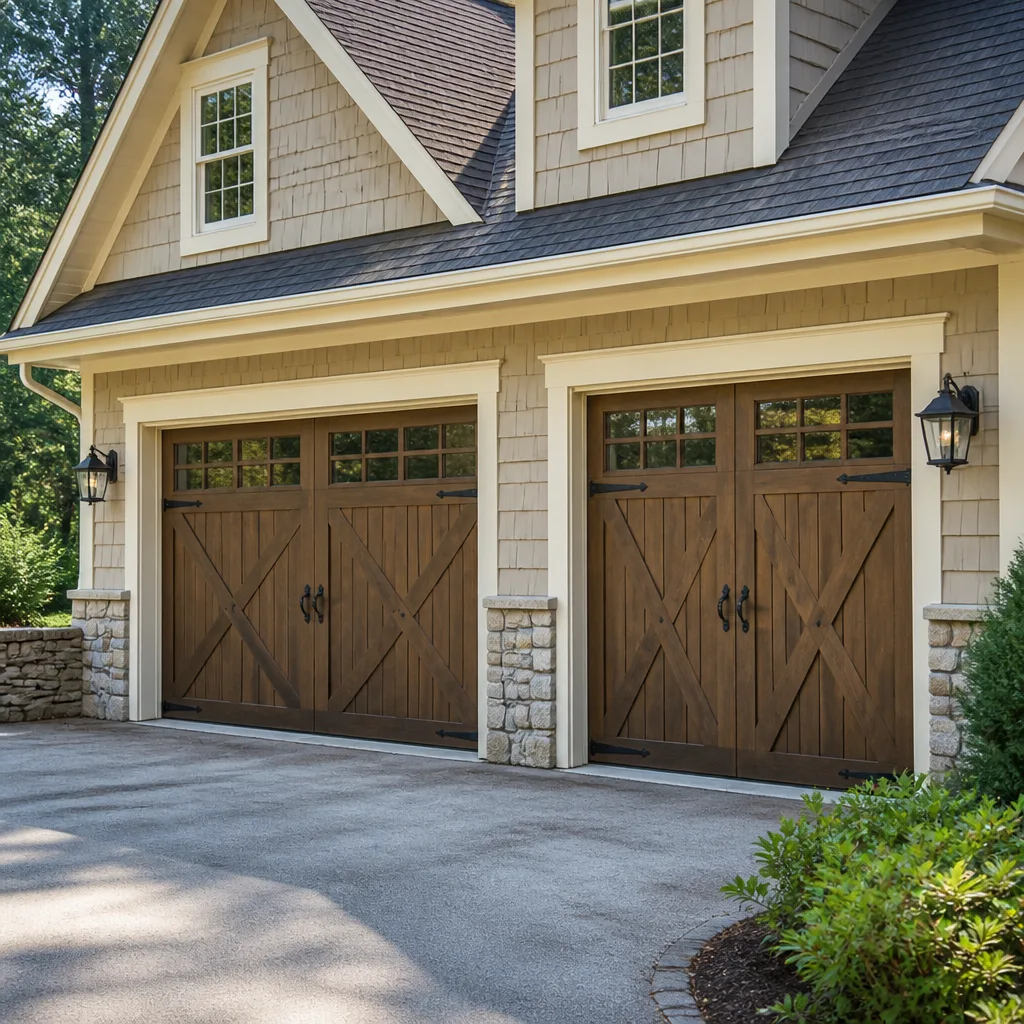 Carriage house
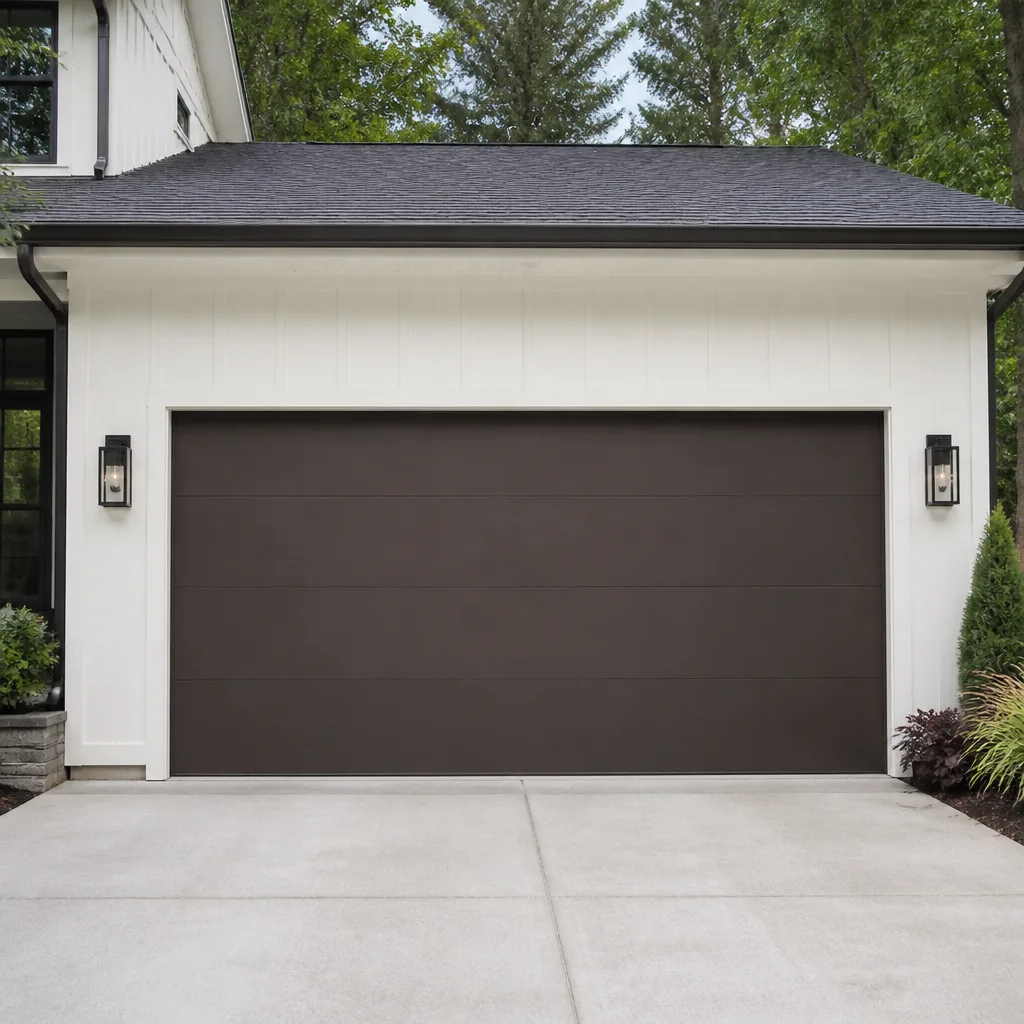 Modern flush
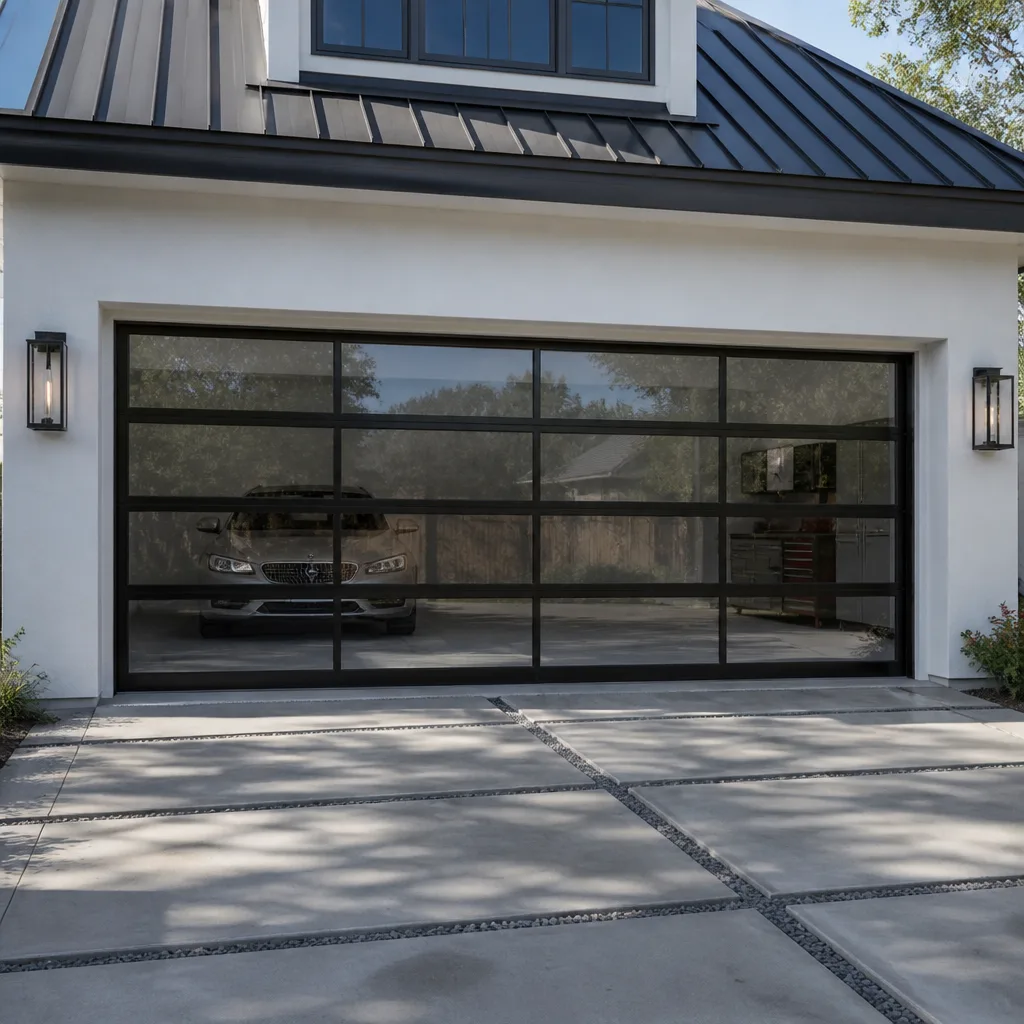 Full-view glass
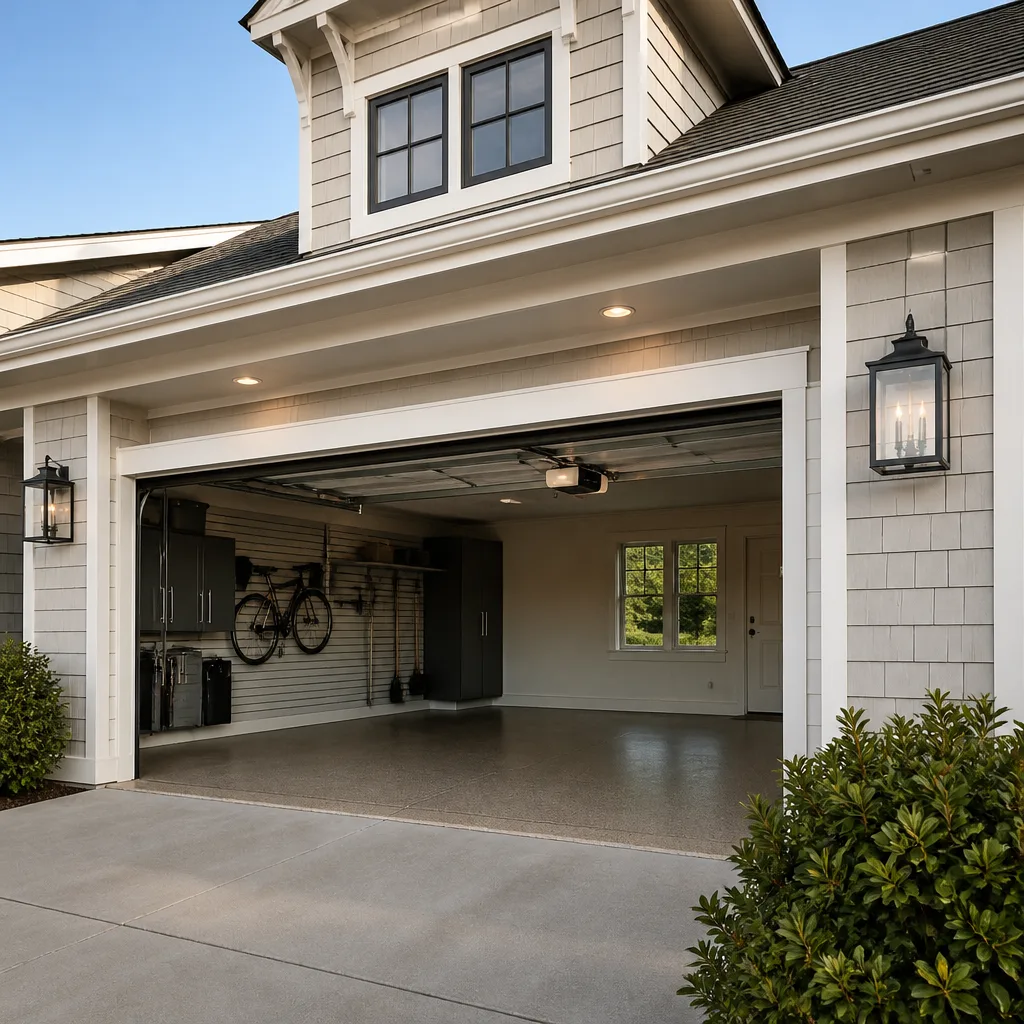 LiftMaster openers
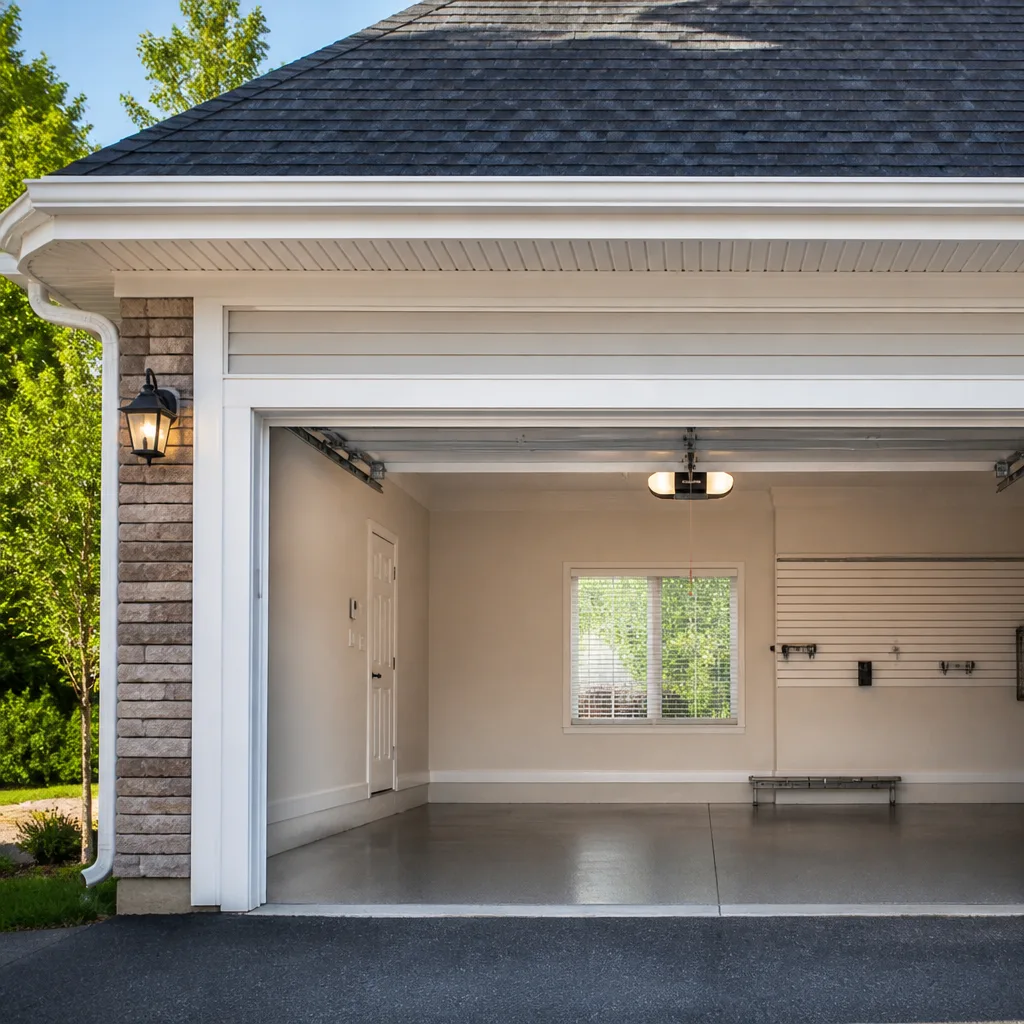 Chamberlain openers
Full 25-point door and opener safety check with every visit - springs, cables, rollers, tracks, and your LiftMaster or Chamberlain opener included
You get a price before we start. It does not change when the pro arrives.
Get your free estimateGarage Door Repair Maintenance Checklist for Lehigh Acres Homeowners
The manufacturer says to lubricate your springs once every 12 months. In Lehigh Acres, that interval is wrong. Our humidity runs high for most of the year, moisture settles on moving metal overnight, and a dry spring corrodes from the inside of the coil where you can’t see it. Skipping that upkeep is the single most common reason we see springs fail years earlier than they should. This guide is a maintenance checklist built for the weather and soil you actually live with in Lehigh Acres: what to check, how often, what to write down, and which tasks belong to a trained technician.
Quick Answer
A garage door maintenance checklist for Lehigh Acres should cover lubrication on a shorter cycle than the manufacturer recommends, a post-storm inspection after every named wind or rain event, bottom seal checks against moisture and insects, and safety sensor alignment adjusted for slab and soil movement. Most of these checks you can do yourself in a few minutes; springs, cables, and opener electrical work belong to a trained professional.
Styles & brands we work with
- Raised-panel steel
- Carriage house
- Modern flush
- Full-view glass
- LiftMaster openers
- Chamberlain openers
Table of Contents
- Why a Lehigh Acres Maintenance Checklist Looks Different
- The Humidity-Adjusted Lubrication Schedule
- Post-Storm Inspection Protocol for Southwest Florida
- Bottom Seal Checks for Lee County Moisture and Insects
- Safety Sensor Alignment When the Slab Moves
- What to Check Every Month
- What to Log and What Homeowners Forget
- The Tasks That Belong to a Professional
Why a Lehigh Acres Maintenance Checklist Looks Different
Most garage door care advice is written for a temperate climate with four distinct seasons and stable soil. Lehigh Acres doesn’t work that way. Our warm, humid air keeps metal parts damp longer, and our sandy soil shifts with wet and dry cycles in ways that can throw a safety sensor out of alignment without anything visibly moving. That’s why the same door that’s fine for a year in Ohio needs more frequent attention here.
A checklist calibrated to Lehigh Acres should account for three local realities:
- Year-round humidity. Moisture film on springs, hinges, and rollers speeds corrosion. Lubrication intervals shrink.
- Wind and rain events. Summer storms push water and debris against the door and into the tracks. Each one is a small stress test.
- Seasonal soil movement. Alternating wet and dry seasons shift the concrete slab under the door, which throws sensor brackets off their alignment.
The good news: a few small habits cover most of it. When we assess a door in Lehigh Acres, the failures we find most often are corrosion-driven spring wear, misaligned sensors, and torn bottom seals. None of those appear overnight. All of them are cheaper to prevent than to fix.
Here’s the practical reality of a Lehigh Acres garage door: it does a lot of work. It keeps out heat, keeps in cool air, and shields the house from driving rain. Paying attention to it a few minutes a month is what keeps it doing that work year after year. If at any point you’d rather not climb the ladder, Pilgrim Garage Door Repair handles inspections and adjustments as part of the work.
The Humidity-Adjusted Lubrication Schedule
Most manufacturers print a lubrication interval of about once every 12 months. In our experience in Lehigh Acres’s humidity, springs and hinges benefit from lubrication closer to every six months, and springs at high-cycle points (near the curve of the track) often need an application around every three to four months during the wettest stretch of the year. This isn’t a manufacturer spec change; it’s a local adjustment to a spec written for drier air.
What to lubricate
- Springs. Apply lubricant along the full length of the coil, not just the ends.
- Hinges. A drop at each pivot point, top and bottom of the panel joints.
- Rollers and their stems. Roller bearings seize quietly, then drag.
- Locking mechanisms and center track brackets.
- Torsion bar and bearing plates. A light film on the bar, not a heavy coat.
What to leave alone
Don’t lubricate the tracks themselves. Grease on the track collects grit and dirt, and grit on a roller is worse than a dry one. Wipe tracks clean with a cloth instead and keep them dry. Don’t lubricate the opener’s chain or screw drive unless your specific opener manual calls for it.
A local rule of thumb
If you can’t remember the last time you lubricated, that’s your cue. In Lehigh Acres, homeowners who keep a small spray can of white lithium grease or a silicone-based lubricant on a shelf and use it when the door starts sounding slightly rough see springs last longer than those who wait for a squeal. A door that starts to groan in the morning is asking for attention before it has to.
Our technicians work on the systems already in your garage, so a quick question about the right lubricant for a Raynor or a builder-grade Wayne Dalton door is one we’re glad to answer. When lubrication no longer silences a noise, it’s a signal to look deeper; our garage door repair service is the next stop.
Post-Storm Inspection Protocol for Southwest Florida
Any named wind or rain event, from a summer downpour to a tropical system, is the time to look the door over. The reason is simple: high wind flexes panels, and horizontal rain drives water past seals. You wouldn’t see damage in the moment; it shows up as a door that’s suddenly slower, noisier, or stuck partway. A short inspection after each event catches it early.
Walk around the outside first
- Look at the panel surfaces for dents, separations, or panel-to-panel gaps that weren’t there before.
- Run a hand along the bottom seal to feel for tears, hardening, or gaps.
- Check the tracks for debris; sand, leaf litter, and small sticks collect in the track curve.
- Look for standing water at the base of the door and note it; if it happens repeatedly, the seal isn’t doing its job.
Test the door from the inside
- Disconnect any opener and lift the door by hand. It should open smoothly with one hand and stay up when released halfway.
- Listen for grinding or popping during travel. Noise after a storm usually means something shifted.
- Lower it slowly and watch the sides; check that both sides travel evenly. A door that’s off-level needs adjustment before it binds.
- Test the safety reverse by placing a small object in the path and closing the door. If it doesn’t reverse, stop using it and call.
Write down what you find and the date. A technician has an easier time pinpointing a storm-related issue when you can say exactly when the noise started. After a big storm, many Lehigh Acres homeowners find their opener runs but the door doesn’t move; that’s a disconnection or a stripped gear, and it’s covered under garage door opener repair. The safety concern with any wind-loaded door is real, so don’t force a stuck door; a bent panel or a torqued spring can let go under stress.
Bottom Seal Checks for Lee County Moisture and Insects
The bottom seal is the lowest-cost part of the system and the one with the largest job. It keeps water out of the garage, keeps cooled air in, and stops the bugs and small animals that want to get in. In Lee County’s heat and humidity, rubber seals harden and crack faster than in cooler climates, so this is a check worth doing roughly every three months.
How to check it
- Visual test: With the door down, look for cracks, flat spots, or sections that look shiny or stiff.
- Paper test: Close the door on a sheet of paper placed at several points across the width. If you can slide the paper out easily at any point, the seal isn’t contacting the floor there.
- Water test: After a hard rain, look for dampness just inside the threshold. Persistent moisture invites mold and damages stored items.
- Pest test: Look for small gaps, especially at the corners, and any insect activity near the tracks. Roaches, ants, and small lizards get in through gaps measured in fractions of an inch.
The concrete floor is rarely perfectly flat, and old slabs in Lehigh Acres can have low spots. If your seal seems to make contact on one side but not the other, the issue may be the floor, not the seal. The fix is either a thicker seal profile or a minor adjustment to the track bottom. Either way, it’s worth fixing. A torn seal also lets humid air reach the bottom of the door panels, where moisture collects and starts corrosion before you’d notice anything from the outside.
Safety Sensor Alignment When the Slab Moves
Safety sensors are the two small eye sensors mounted at the bottom of the tracks, about six inches off the ground. They shoot an invisible beam across the opening and reverse the door if anything crosses it. In Lehigh Acres, the ground under those sensors moves with the wet and dry seasons, and that can gently nudge the brackets out of alignment and set your door to reverse on its own. It’s a normal local quirk, not a repair emergency.
How to check alignment
- Look at both sensors. Each has a small LED indicator light.
- If both lights are solid (usually green, sometimes amber on the receiving unit), alignment is likely fine.
- If a light flickers or is off, tape a string line between the two sensor faces and see if the beam is level.
- Check that nothing (a spider web, a lawn tool, a trash bag) is in the beam’s path.
When it’s not the sensors
If the lights are solid but the door still reverses, the cause is likely elsewhere: the travel limits, the force setting, or a worn safety reverse mechanism. Those settings live inside the opener housing. Adjusting them on a LiftMaster or Chamberlain unit is easy to get wrong, and a door that reverses incorrectly is a genuine hazard. Leave the internal settings alone and have a technician look. Sensor adjustments on their own are simple; anything involving the opener’s logic board, wiring, or force settings is where we tell homeowners to stop. Aging concrete in parts of Lehigh Acres means a sensor that’s aligned one month can drift the next, so check again after any string of heavy rain.
What to Check Every Month
A monthly walk-around takes about five minutes and catches almost everything. Here’s the checklist we’d give a friend. Do these on the same day each month so it becomes a habit.
- Run the door and listen. Any new noise, especially grinding or popping, gets written down.
- Look at the springs. If you have torsion springs above the door, check for a visible gap in the coil that means a spring has broken. Extension springs alongside the tracks sometimes have a separation gap; a stretched or slack spring is the sign.
- Check the cables. The two steel cables that run alongside the tracks should be taut and smooth. A frayed or slack cable is dangerous; don’t touch it, call for repair.
- Wipe the tracks. A clean, dry cloth along the tracks removes dirt before it jambs a roller.
- Test the balance. Disconnect the opener, lift the door halfway, and let go. It should stay where you put it.
- Test the auto-reverse. Place a brick or a piece of wood in the door’s path and close it. The door must reverse on contact.
- Check the seal and sensors. Both checks as described above.
Once a year
Once a year, look at the door with fresh eyes. Check the panels for dents and paint failure, check the opener’s chain or belt for slack, and have the door and opener serviced by a technician. We recommend scheduling this inspection before the rainy season rather than after it, so you enter summer with a door that’s ready to take the weather.
What to Log and What Homeowners Forget
The single most useful thing a homeowner can keep is a short log, on paper or in the phone’s notes app. When a technician arrives with the log in hand, diagnosis is faster because the history is right there. What homeowners consistently forget to record:
- The date a noise started. “It started squeaking two weeks ago” is far more useful than “it’s been making noise a while.”
- What the door was doing when the problem appeared. Opening in the morning, closing after a storm, stuck at the halfway point. Each points to a different cause.
- Opener brand and model. LiftMaster and Chamberlain look similar; knowing the model saves time. The label is on the back or under the light cover.
- Door brand and material, if you know it. Steel doors from Clopay, Amarr, or Wayne Dalton have different service needs.
- Any recent storm or impact. A storm is a leading cause of alignment problems.
- What repairs have been done and when. Replacement springs, sensors, and seals have service lives, and knowing the dates tells the technician where to look first.
Keep the log somewhere in the garage near the opener, not buried in a drawer. If a door fails at an inconvenient time, whoever comes out will be grateful for the notes. That kind of record also tells you when you’re due for a service rather than waiting for a failure, which is how Lehigh Acres homeowners avoid the surprise.
The Tasks That Belong to a Professional
Some of the checklist above is safe for a homeowner: cleaning tracks, wiping the seal, checking the log, and looking at the sensors. But a real expert draws a firm line around a few components, and so do we. The high-tension springs and the cables that hold the door’s weight store tremendous energy. A garage door spring, especially on a torsion system, can cause serious injury if it releases while someone’s hands are near it. The same goes for the opener’s electrical panel and wiring. Neither is a do-it-yourself project.
The tasks best left to a professional include:
- Spring replacement and adjustment. Both torsion and extension springs.
- Cable repair and replacement. Cables are under tension and are dangerous to handle.
- Opener electronics. Control board, motor, and wiring work.
- Track replacement or straightening. A knocked-out track can throw the door off-balance.
- Panel replacement. Doors are engineered to fit together; a poorly fitting panel strains the whole system.
If any of these are on your list, don’t force it. Call and we’ll diagnose the issue, explain what’s involved, and give you a written estimate before any work begins. Our technicians have up to 15 years of experience with the brands that show up in Lehigh Acres garages, from builder-grade to architectural, and we answer 24/7. Fast dispatch is 7am-7pm, Sunday through Friday.
Common Mistakes to Avoid
- Waiting for a spring to break before scheduling service. In our humidity, springs age faster than you’d expect. Lubrication and annual checks catch wear before failure.
- Greasing the tracks. It attracts grit, which grinds down rollers. Tracks should be clean and dry, not lubricated.
- Adjusting force and travel limits to “fix” a reversing door. This masks the real problem and creates a genuine safety hazard. If the door reverses with a clear path and aligned sensors, call a professional.
- Skipping the post-storm walk-around. A storm isn’t always dramatic; a heavy rain can shift a sensor or tear a seal. Checking after every event catches the small stuff.
- Ignoring a torn bottom seal. It looks like a minor cosmetic issue but lets in moisture, ants, and small animals. Replace it before humidity does more damage.
- Assuming a builder-grade door needs no service. A Craftsman or Wayne Dalton door has fewer components to fail, but the lubrication and seal checks still matter, and skipping them costs more in the end.
- Not keeping a log. Without dates and symptoms, diagnosis becomes guesswork, and you may pay for a repair you could have avoided.
See the difference
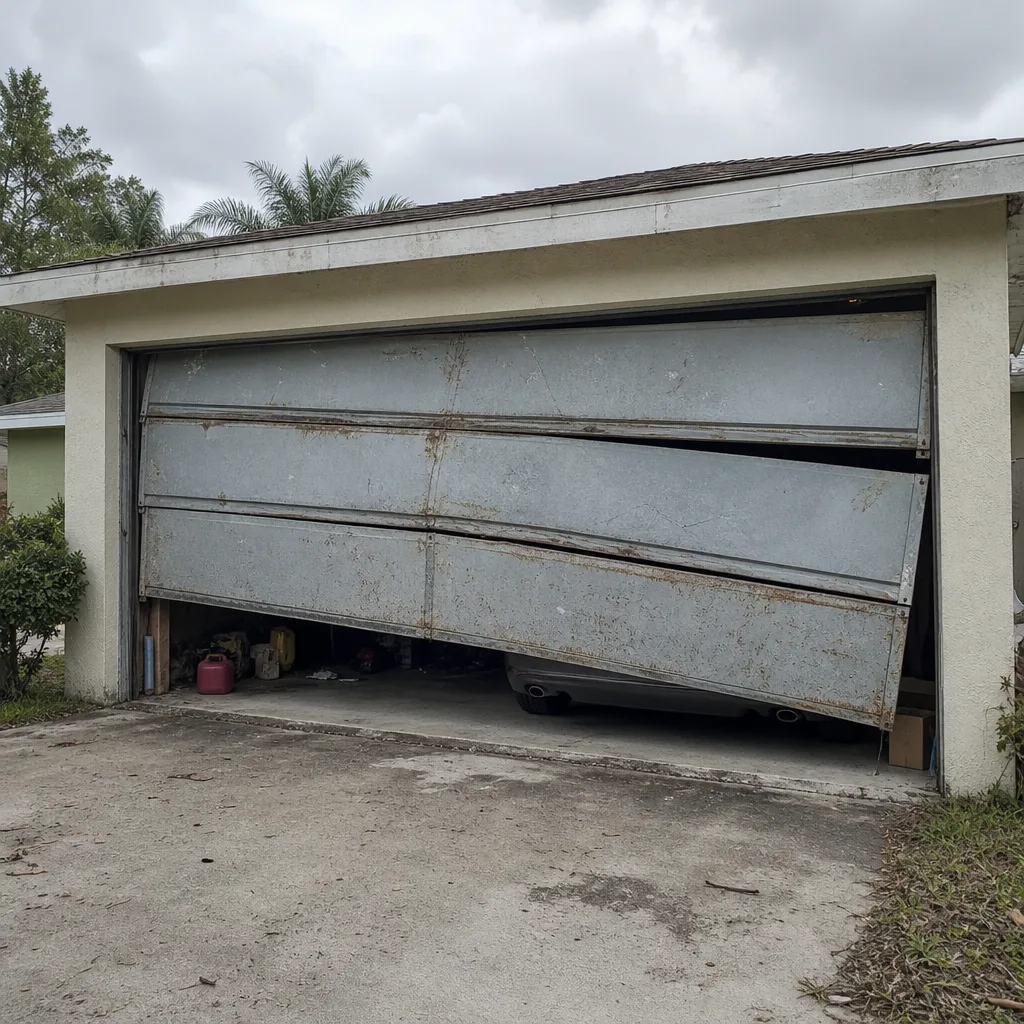 Before
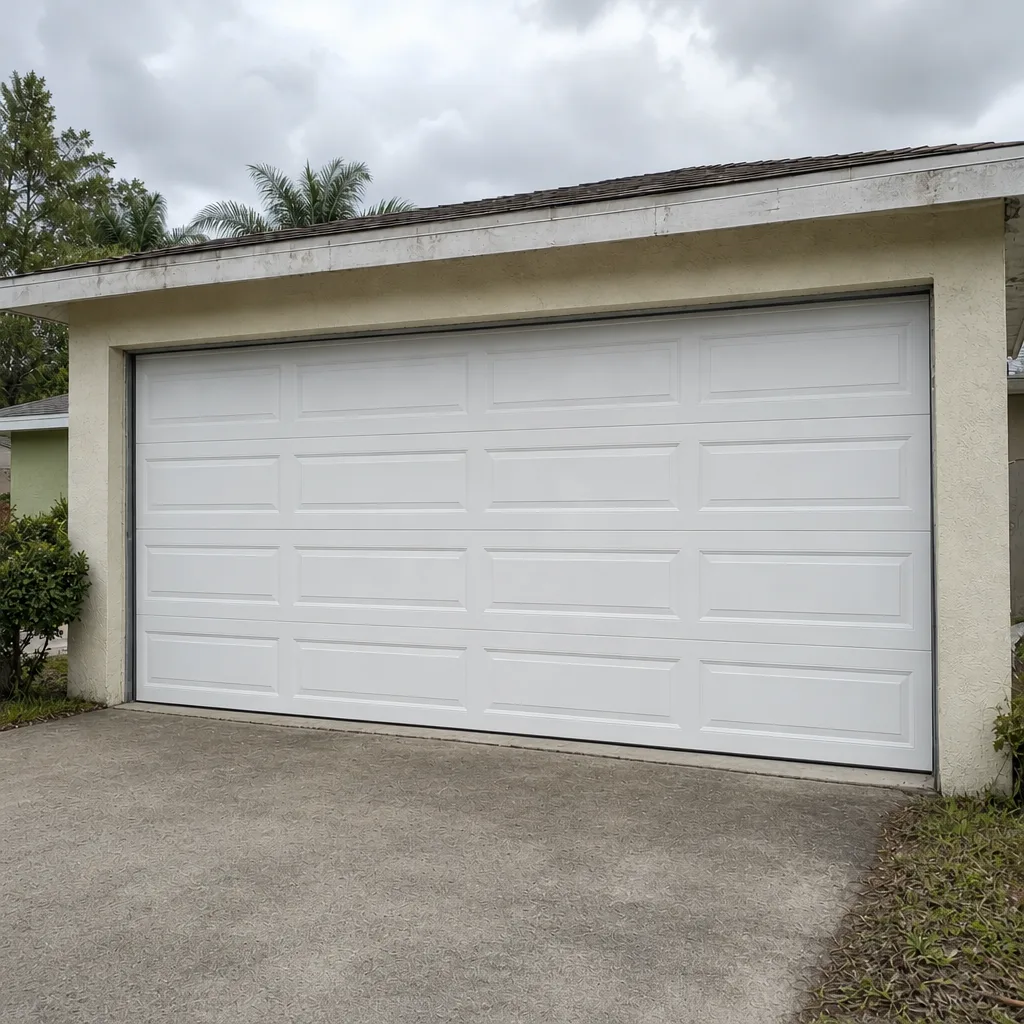 After
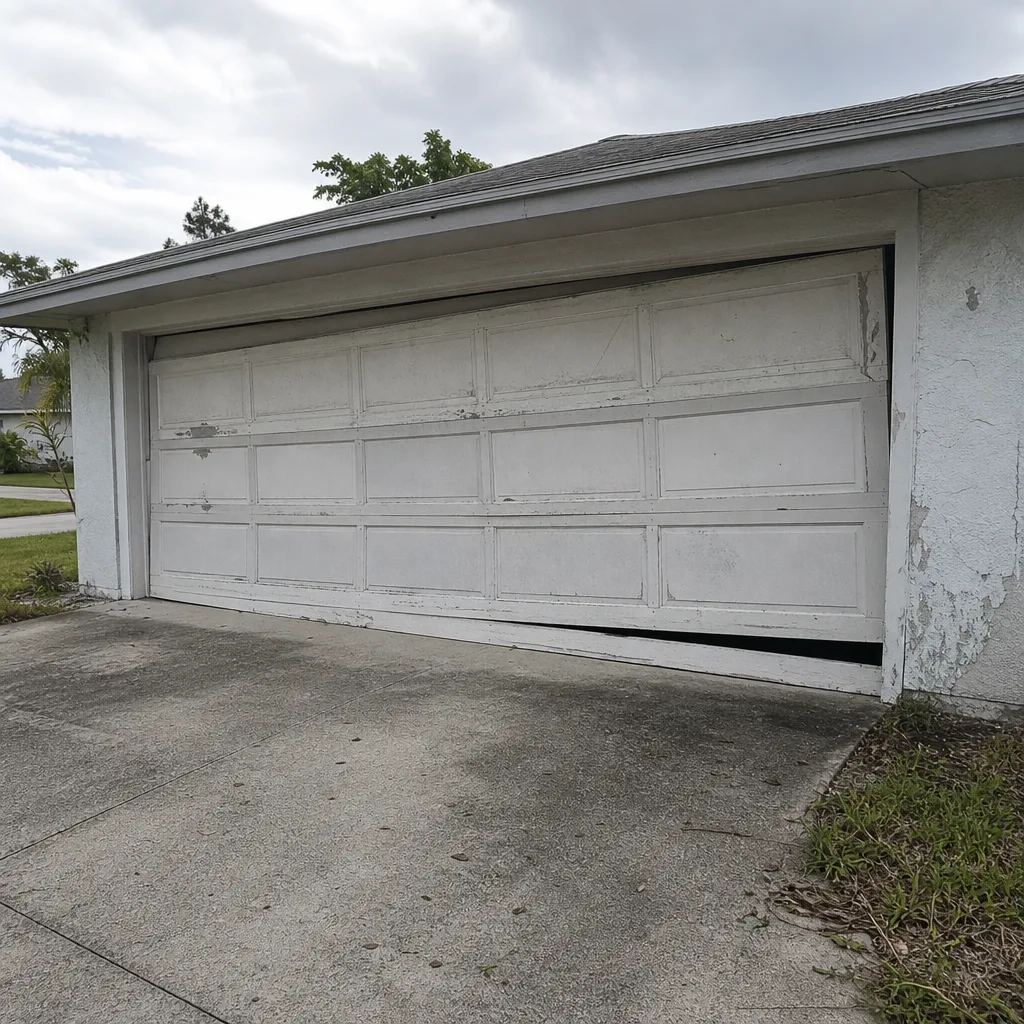 Before
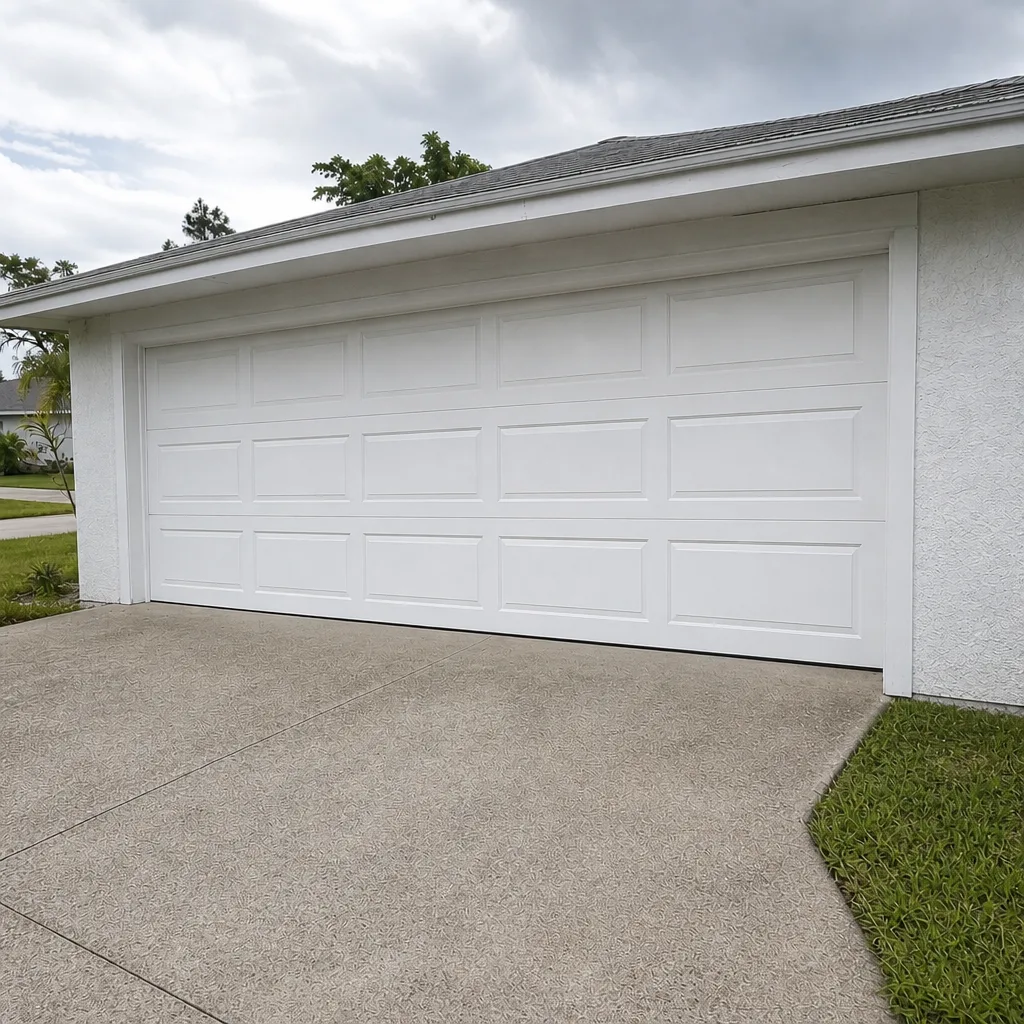 After
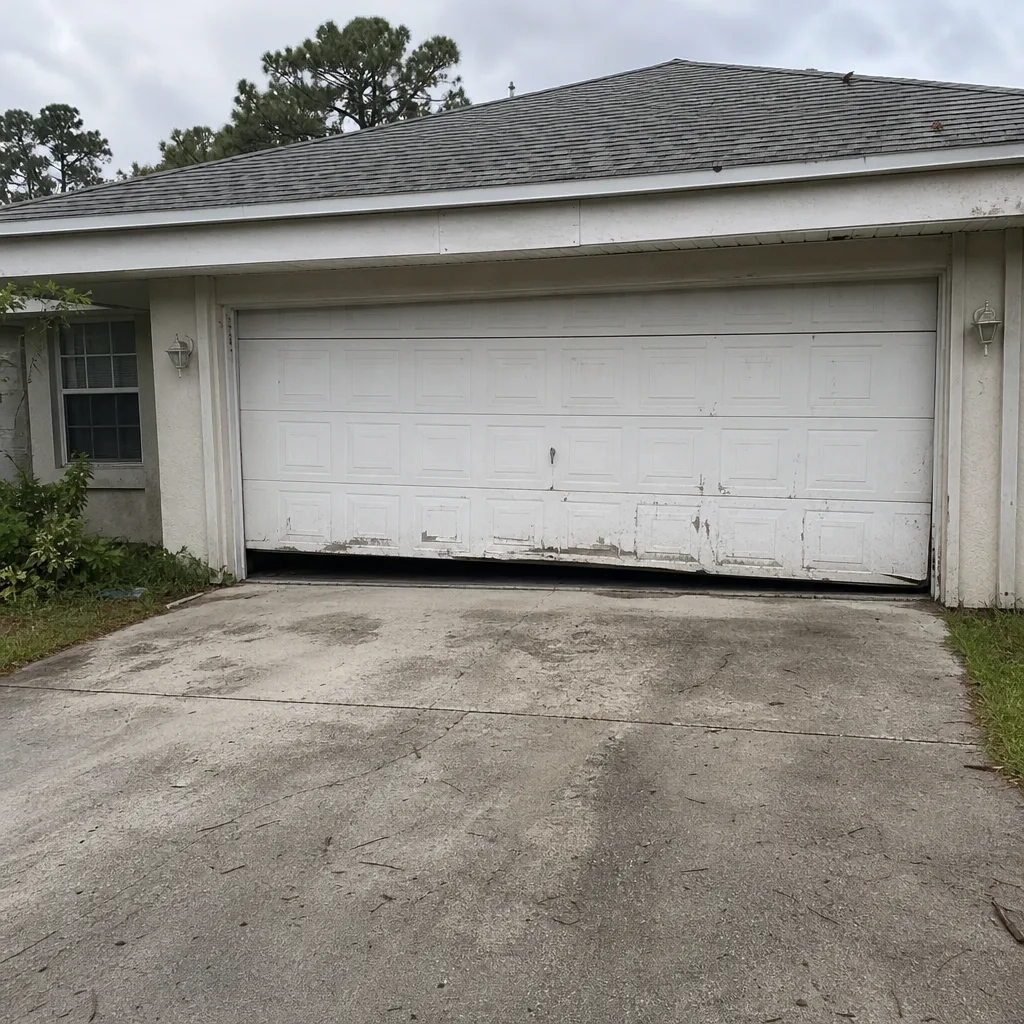 Before
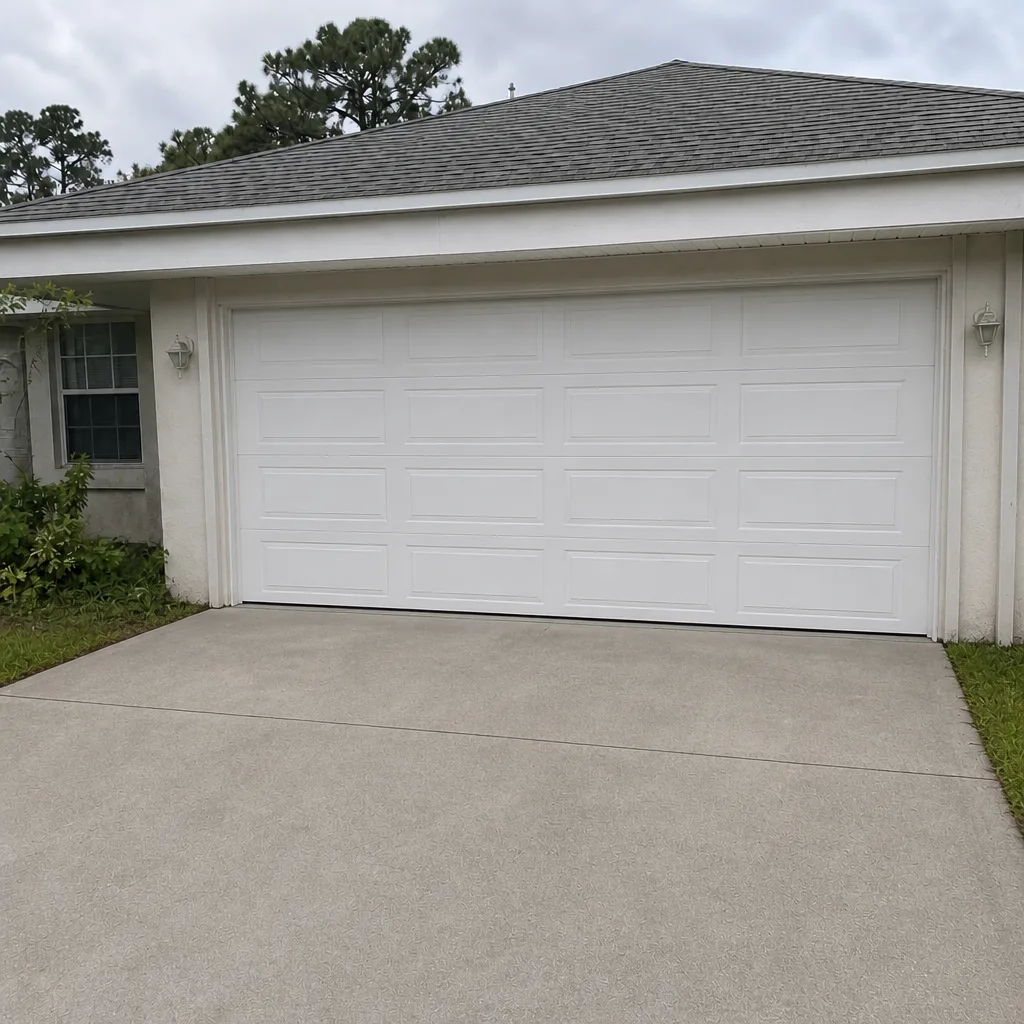 After
When to Call a Professional
Call a professional when the door won’t move, moves erratically, or makes a sound that wasn’t there before; when a spring breaks or a cable goes slack; when the opener runs but the door stays put; when the door reverses without a clear path; or when a storm has left a panel bent or a track out of line. Those are all signs that need a trained eye. Don’t force the door, and don’t put your hands near a spring, cable, or opener panel. Pilgrim Garage Door Repair offers free estimates in Lehigh Acres; call (844) 522-0595. We’re glad to look at the door already in your garage and tell you exactly what it needs.
Frequently Asked Questions
Lubricate springs, hinges, and rollers about every six months, and springs more often (every three to four months) during the wettest stretch of the year. This is shorter than the manufacturer’s typical 12-month recommendation because humidity accelerates corrosion here. If the door starts to sound rough, lubricate then too. Call (844) 522-0595 for an exact quote on a full lubrication and inspection service; estimates are free.
Walk around the outside and check panels for dents, the bottom seal for tears, and the tracks for debris, then test the door from the inside for smooth operation and auto-reverse. Wind and rain can shift sensors and tracks without visible damage. If you’re unsure whether something is wrong, have a technician look. Call (844) 522-0595 for a free estimate.
Yes, if the bracket has simply moved or a spider web is blocking the beam. You can clean the sensor eye and gently nudge the bracket until the indicator light is solid. If the lights are fine but the door still reverses, the problem is inside the opener, and that work should be left to a professional. Our garage door opener repair service handles those diagnostics; call (844) 522-0595 for a free estimate.
Heat and humidity harden the rubber faster than in cooler climates, so seals crack and tear sooner. Check it every few months, and replace it when it’s stiff or gaping. A torn seal lets in moisture, insects, and small animals. Call (844) 522-0595 for a free estimate on a replacement.
No. Garage door springs, especially torsion springs, store enormous energy, and a release can cause serious injury. Spring and cable work should always be done by a trained technician with the right tools. We can diagnose and quote the job for you; call (844) 522-0595. Estimates are free and the price is set before any work starts.
Record the dates you lubricate, any noise that starts and when, the opener brand and model, the door brand, and any repairs done. This helps a technician diagnose faster and shows when service is due. If you’re not sure what to log, call (844) 522-0595 and ask; we’re glad to help.
The Bottom Line
A Lehigh Acres garage door needs the same care as anywhere else, plus a humidity-adjusted lubrication schedule, a post-storm inspection habit, and a bottom seal check that accounts for our moisture. Most of this checklist takes a few minutes a month, and the reward is fewer surprises and longer spring life. The tasks that matter most, spring and cable work and opener electronics, belong to a professional. Our technicians work on the brands already in your garage, from LiftMaster and Chamberlain openers to Clopay and Wayne Dalton doors. Call (844) 522-0595 for a free estimate.
Written by the team at Pilgrim Garage Door Repair.