
Last updated November 15, 2026
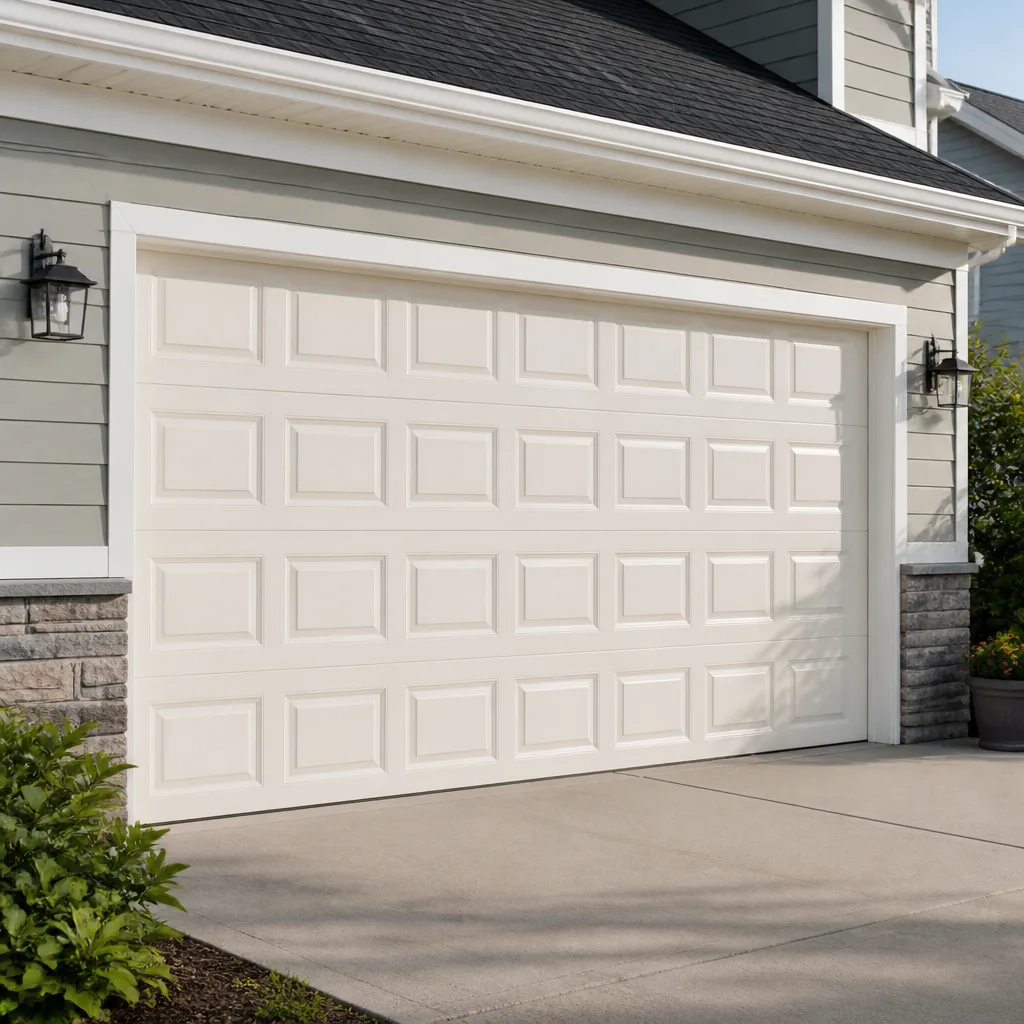 Raised-panel steel
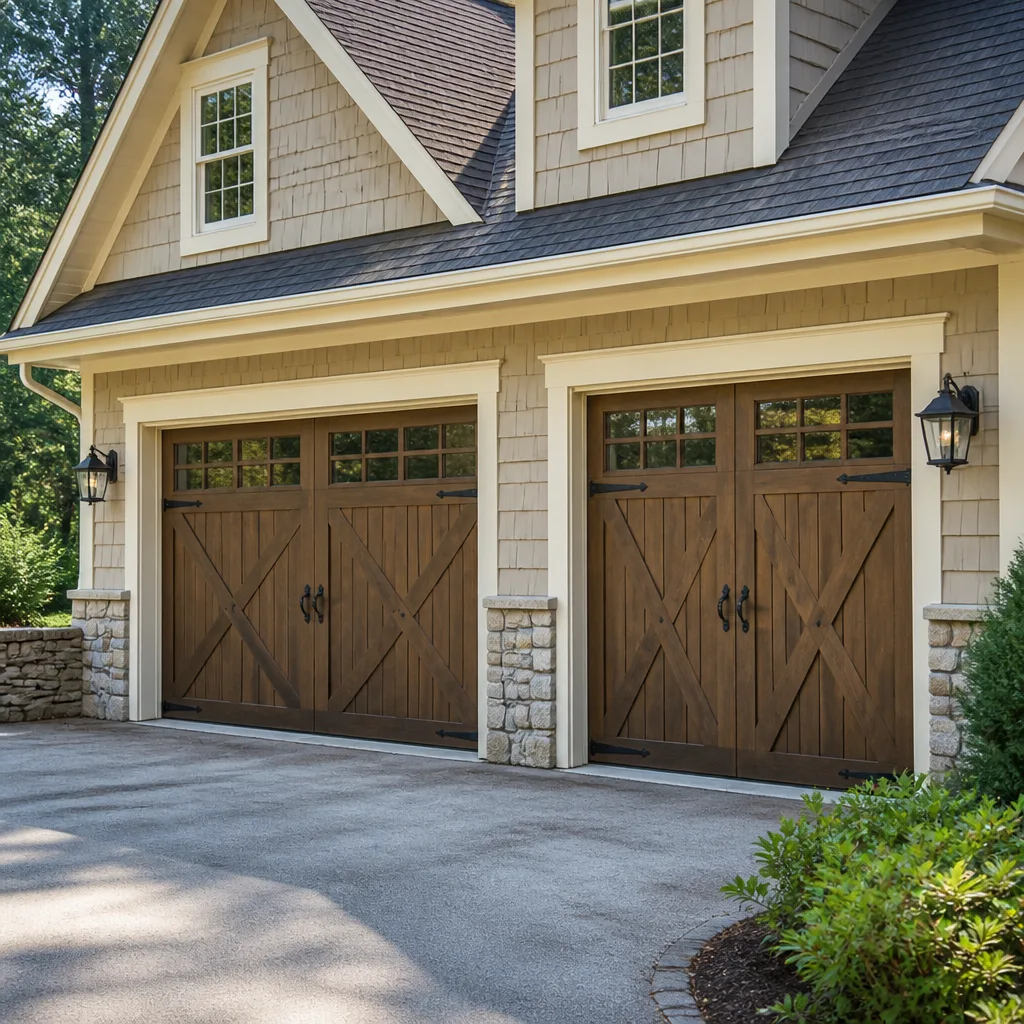 Carriage house
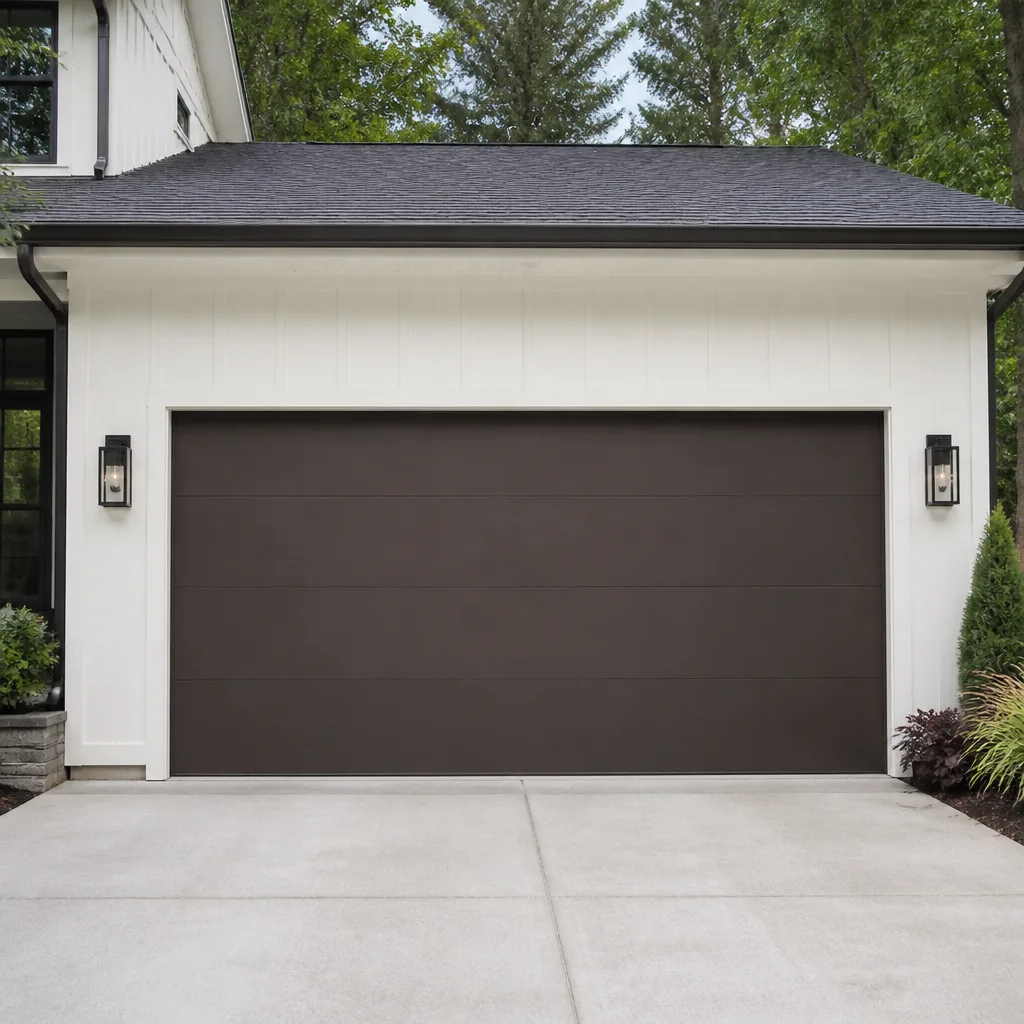 Modern flush
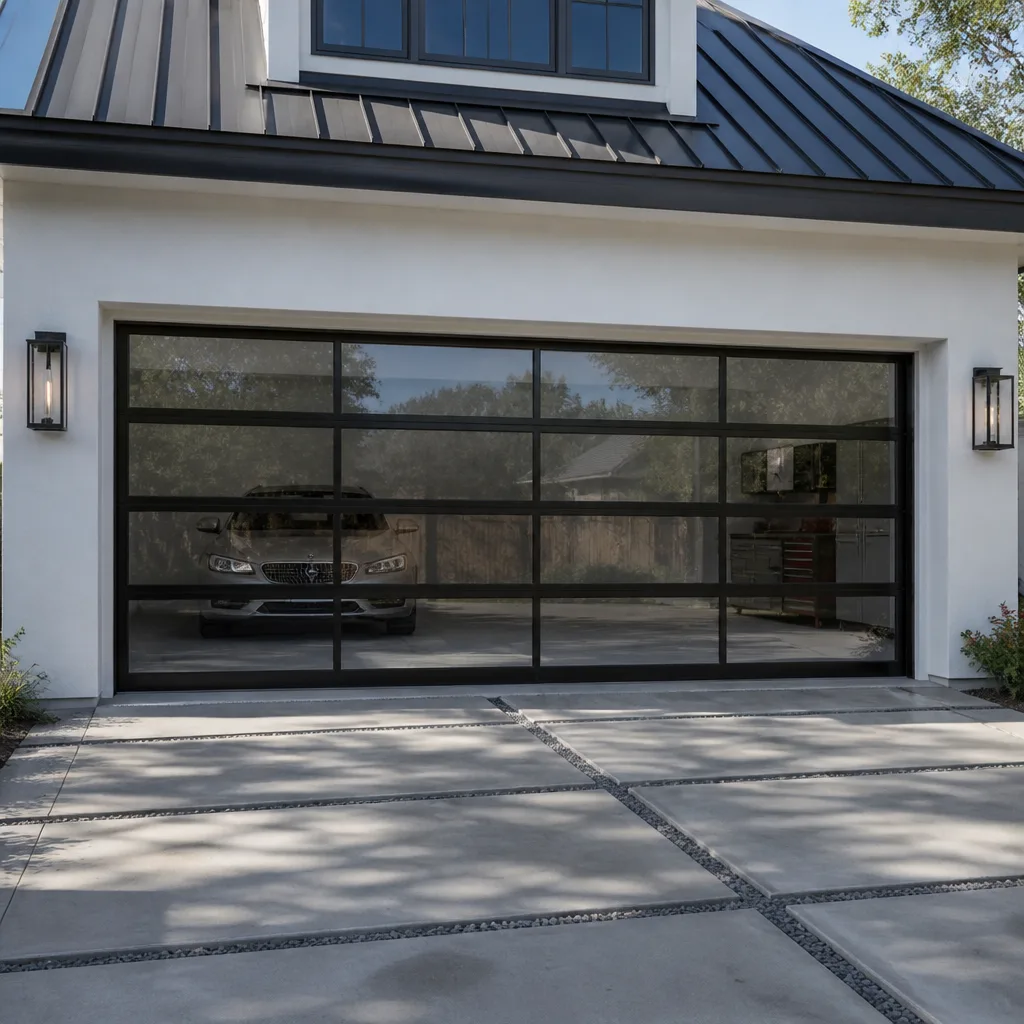 Full-view glass
 LiftMaster openers
 Chamberlain openers
Full 25-point door and opener safety check with every visit - springs, cables, rollers, tracks, and your LiftMaster or Chamberlain opener included
You get a price before we start. It does not change when the pro arrives.
Get your free estimateDIY vs Professional Garage Door: The Lehigh Acres Homeowner’s Decision Guide
Here’s the part most guides get wrong: the DIY-versus-professional question for garage doors isn’t really about how handy you are. It’s about which tasks have a risk profile a homeowner can accept and which ones carry injury or liability consequences that make professional work the only sensible choice no matter how capable you are. A torsion spring stores enough energy to hurt a careful person who simply miscalculates the wind count by a turn or two. That’s not a task where “I’m pretty handy” changes the math. This guide walks Lehigh Acres homeowners through the jobs worth doing yourself, the jobs worth handing off, and how to tell the difference before you pick up a wrench.
Quick Answer
Homeowners can safely handle lubrication, photo-eye alignment, remote and keypad programming, and visual inspections. Spring replacement, cable work, and track realignment should go to a trained technician, because the stored energy and tension involved make mistakes dangerous and expensive. Everything else sits in between, and the deciding factor is usually whether a mistake would injure someone or simply waste an afternoon. In Lehigh Acres, humidity and heat also shorten the life of DIY weatherstripping and steer lubricant choice, which tilts a few borderline jobs toward professional work.
Styles & brands we work with
- Raised-panel steel
- Carriage house
- Modern flush
- Full-view glass
- LiftMaster openers
- Chamberlain openers
Table of Contents
- Why the DIY Question Is Really About Risk, Not Skill
- What You Can Safely Do Yourself
- What You Should Never Touch
- How Lehigh Acres Heat and Humidity Change the DIY Math
- How to Evaluate a YouTube Tutorial Before You Trust It
- The First Ten Minutes of a Professional Call
- The Liability Side: Permits, Insurance, and Resale
- DIY Cost vs Professional Cost in Lehigh Acres
Why the DIY Question Is Really About Risk, Not Skill
Most home repair advice frames DIY as a skill ladder. If you can change a faucet, maybe you can swap a spring. That framing is the trap. Garage doors combine high-tension mechanical systems, heavy moving panels, and electrical controls in one assembly. Some of those systems are forgiving. Others are not, and the difference isn’t how much experience you have. It’s what happens when something goes wrong.
A misaligned photo-eye costs you a few minutes. A spring that lets go under load can break a bone or worse. The physics don’t care whether you’ve watched twelve videos or one. That’s why the honest way to sort garage door tasks is by consequence, not by difficulty:
- Low consequence: lubrication, sensor alignment, remote pairing, visual inspection. A mistake costs time or a service call.
- Medium consequence: weatherstripping, roller replacement, minor panel adjustment. A mistake may leave the door noisy, drafty, or out of balance, but no one gets hurt.
- High consequence: torsion springs, extension springs, cables, track realignment, opener force and travel limits on a door that’s already binding. A mistake can injure someone or drop a door.
When homeowners in Lehigh Acres ask us whether they should tackle a repair themselves, we usually answer by asking what happens if it fails. If the answer is “I call you and lose an afternoon,” go ahead. If the answer involves an emergency room or a buckled door panel, that’s your signal. The rest of this guide works through each category.
What You Can Safely Do Yourself
A handful of garage door tasks are genuinely homeowner-friendly, and doing them regularly prevents most of the service calls we get. None of these involve stored spring tension. All of them are worth learning because they extend the life of the door and opener and catch problems before they become expensive.
- Lubricate the moving parts. Apply a garage-door-rated lubricant to the hinges, rollers, and torsion bar bearings. Check with the manufacturer of your door or opener about which product is right for your rollers. Avoid greasing plastic rollers, which can attract grit.
- Align the photo-eye sensors. The two small sensors near the floor should face each other and light up solid. If the door reverses for no reason, this is the first thing to check. Wipe the lenses and adjust the brackets until both LEDs are steady.
- Program remotes and keypads. Pairing a new remote on a LiftMaster or Chamberlain opener is a five-minute job described in the manual. If the remote pairs but the door still won’t open, that’s a sign the problem is elsewhere.
- Test the safety reverse. Place a piece of wood flat on the floor in the door’s path and close the door. It should reverse on contact. If it doesn’t, stop using the door and have it looked at, because that’s a mechanical safety function, not a software setting.
- Inspect the door visually. Look for frayed cables, worn rollers, bent tracks, and gaps in the weatherstripping. You’re not fixing anything here, just noting what’s wrong.
If you do only one thing, do the lubrication and the visual inspection. Those two habits catch most early failures and eliminate a surprising share of the emergency calls we handle in Lehigh Acres. For anything beyond this list, the risk curve starts to climb quickly.
What You Should Never Touch
This is the section most DIY tutorials underplay. Torsion springs, extension springs, and the cables that tension them are under load every second they’re installed, even when the door is down. That stored energy is what makes them efficient and what makes them dangerous. The winding bars, clamps, and procedures required to work on them safely are not things a homeowner should improvise from a video.
- Torsion springs. The spring above the door on the torsion bar stores enough energy to seriously injure someone if it releases unexpectedly. Winding is precise work with no margin for error.
- Extension springs. Older doors in Lehigh Acres often have extension springs running parallel to the horizontal tracks. Even with safety cables installed, the springs can move violently if they break during removal.
- Cables and drums. The steel cables that lift the door are usually under tension. Mistimed drum or cable replacement is a common cause of dropped doors.
- Track realignment. A bent track can be straightened temporarily, but a misaligned track stresses panels, rollers, and hinges. What looks like a five-minute adjustment often needs a proper measurement and adjustment at the brackets.
- Opener force and travel limits. Modern openers on a binding door will fight the door and wear out early. Adjusting force limits is a symptom fix, not a solution, and it can mask a serious balance problem.
If you notice any of these issues, the safest move is to stop using the door and get it inspected. For a focused look at how we handle this, see garage door repair. If the door itself is fine but the motor or controls are misbehaving, garage door opener repair covers that side of the system.
How Lehigh Acres Heat and Humidity Change the DIY Math
Two local conditions quietly affect every garage door in Lehigh Acres, and both change the DIY-versus-professional tradeoff. The first is heat. A garage on a summer afternoon can reach well above the outdoor temperature, and lubricants that work fine in cooler climates either evaporate or turn gummy in those conditions. Using the wrong product, or the wrong amount, can make a door noisier and wear the rollers faster.
The second is humidity. The garage stays damp through much of the year, and the bottom seal, the sides, and the top of the door are the first places moisture works in. Homeowners who install their own weatherstripping usually buy a universal kit, cut it to length, and tack it on. That works for a year or two. Professional installs tend to last longer because the seal is matched to the door’s width and profile, installed with a consistent gap, and secured where the door frame and threshold actually meet, not where the kit assumes they will.
Heat also affects springs and cables. Metal expands and contracts with day-to-night temperature swings, so a door that ran smoothly in cool weather can start binding once the heat settles in. That doesn’t mean the door needs a new spring. It usually means the balance is slightly off, which is a professional diagnosis, not a parts swap. If your door has started to sound different as the season changes, that’s worth a look, not a weekend project.
None of this makes Lehigh Acres homes uniquely difficult. It just means the local environment rewards a few specific habits: the right lubricant, seals installed to fit rather than to a universal template, and a willingness to have the balance checked when the door starts to labor in the heat. See our Lehigh Acres page for the service side of this.
How to Evaluate a YouTube Tutorial Before You Trust It
YouTube is genuinely useful for low-risk tasks and genuinely dangerous for high-risk ones. The tricky part is that the videos don’t tell you which is which. Here’s a short checklist for spotting a tutorial you should not follow, especially for opener work.
- Check the opener generation. LiftMaster and Chamberlain openers have changed their control boards and accessory protocols several times. A tutorial recorded on an opener made in the 1990s will not match the wiring in a modern WiFi or myQ opener.
- Watch for missing safety steps. Any tutorial that shows spring, cable, or track work without mentioning that the door must be fully closed, the opener disconnected, and the springs de-tensioned before starting is a tutorial to skip.
- Look for universal claims. “Works on all openers” is almost always wrong. Genie and Chamberlain use different programming sequences, and older Craftsman remotes don’t pair with newer receivers without an adapter.
- Distrust the “just hit it with the door” advice. Any video that suggests forcing a stuck door or adjusting the force settings to fix binding is telling you how to hide the problem, not solve it.
- Look at the publication date. Smart opener apps and firmware change frequently, and a two-year-old video on remote pairing may be out of date for the same model.
Videos are best used to confirm whether a task is in your safe zone, not to teach you the task itself. If a video passes these checks and the task is on our safe list, great. If it fails any of them, the video is telling you something about the job’s risk level, and that’s the useful signal.
The First Ten Minutes of a Professional Call
Here’s the part that changes the outcome of most garage door repair jobs. A trained technician doesn’t start by replacing anything. The first ten minutes are spent diagnosing, and diagnosis usually determines whether the right answer is a minor adjustment or a full repair. That step is hard to replicate at home because it depends on feel, experience, and having seen the same failure in other homes.
In practice, a typical first visit on a repair call runs like this:
- Listen before looking. The sound of a door in motion tells a trained ear a lot. A thump at one point in the travel often points to a loose hinge or a worn roller, not to the spring.
- Test the balance. Disconnect the opener and lift the door halfway by hand. A balanced door stays put. If it drifts, the springs are involved.
- Check the springs and cables. Look for visible wear, gaps in the coils, and the condition of the cables at the drums.
- Test the safety reverse and photo-eyes. These are the parts of the system that protect people and pets, and they’re also the most common source of “the door won’t close” complaints.
- Check the opener force and travel settings. If the door is balanced and the opener is still straining, the opener’s limits are the problem, not the door.
None of those steps is exotic. What makes them valuable is the judgment behind them. A homeowner can spot a frayed cable; deciding whether the cable needs replacement, or whether a stuck door just needs a balance adjustment, is where the diagnosis pays for itself. A simple pair of spring replacements can cost far more than a track adjustment, and a misdiagnosis will cost both.
The Liability Side: Permits, Insurance, and Resale
The garage door is one of the few home systems where a bad repair can show up years later at the worst possible moment: a home inspection or an insurance claim. Florida doesn’t typically require permits for garage door repairs, but rules vary by jurisdiction and change over time, so it’s worth confirming with the city’s building department before any structural change. Unpermitted work isn’t a problem until it becomes one, and by then the cost of correcting it outweighs anything the DIY saved.
Insurance is the second angle. For most homeowners, a garage door is treated as a routine part of the home, and a failed spring rarely leads to a claim. But structural damage from a dropped door or a collapsed frame can, and an insurer looking at a claim will ask whether the door was professionally repaired. That doesn’t mean DIY work voids a policy, because it usually doesn’t. It means claims involving obviously improvised repairs get more scrutiny, and documentation of professional work is easier to produce.
Resale is the third. A home inspector will look at the door, the springs, the safety reverse, and the photo-eyes. Obvious signs of a DIY spring replacement, mismatched components, or a bent track can all be flagged, and buyers often ask for a credit rather than a fix. A clean professional install or repair is one less item on the negotiation table. The cost of a professional repair is almost always less than the credit a buyer will ask for.
If you’ve already done some work yourself and want a second look, our Pilgrim Garage Door Repair team can inspect the door and tell you what’s fine and what’s not. We work on the door that’s already there, including builder-grade systems from Wayne Dalton and Craftsman and premium doors from Clopay and Amarr.
DIY Cost vs Professional Cost in Lehigh Acres
The cost case for DIY is narrower than it looks once you count everything honestly. Parts often cost about the same online as through a professional supplier, but you also pay for the tools you need, the parts you buy and don’t use, and the risk that a failed first attempt costs more than hiring out in the first place. Here’s the practical comparison for the most common jobs.
- Spring replacement: Professional repair is the safer path. The parts alone are modest; the risk of injury or a bent door is the real cost.
- Opener repair: Depends on the opener. Board-level failures on modern LiftMaster or Chamberlain units are usually a professional call; remote and keypad pairing are not.
- Roller replacement: A homeowner can do this with the door closed and the opener disconnected, provided the rollers match the track and the door is properly supported. A pro does it faster and checks the rest of the hardware at the same time.
- Weatherstripping: A universal kit is cheaper upfront. A professional install lasts longer in Lehigh Acres humidity and closes the gaps the kit misses.
- Track realignment: Professional. A bent track often points to a deeper issue, and straightening one without checking the root cause usually leads to another call within months.
- Full door replacement: Professional. This isn’t a DIY job, and the measurement, sizing, and installation all depend on tools most homeowners don’t own.
If you’ve been quoted a number for a job and want to know whether it’s fair, a free estimate is the honest way to find out. We don’t charge for the visit or the written estimate, and the price is agreed before any work starts.
Common Mistakes to Avoid
- Winding a torsion spring without the proper bars and clamps. A screwdriver is not a winding bar. Using improvised tools is the number one way this job goes wrong, and the consequences are serious.
- Greasing the wrong parts. Standard WD-40 is not a garage door lubricant; it attracts grit and dries out the rollers. Use a product made for garage doors and follow the label.
- Forcing the door when it’s binding. A door that binds is telling you something is out of balance or misaligned. Forcing the opener to fight the door wears out both the opener and the panels.
- Adjusting the force limits to compensate for a heavy door. That’s hiding the problem, not solving it. If the door is heavier than it should be, the springs are the issue.
- Ignoring a single broken spring. A matched pair wears together, so a single new spring alongside an old one usually fails soon. Replace the pair.
- Installing weatherstripping sized for a different door. Lehigh Acres humidity will find every gap. Universal kits often miss the corners where moisture actually enters.
- Letting a bent track sit for months. A misaligned track wears out rollers, stresses panels, and can damage the opener. Small problems get expensive when they’re ignored.
See the difference
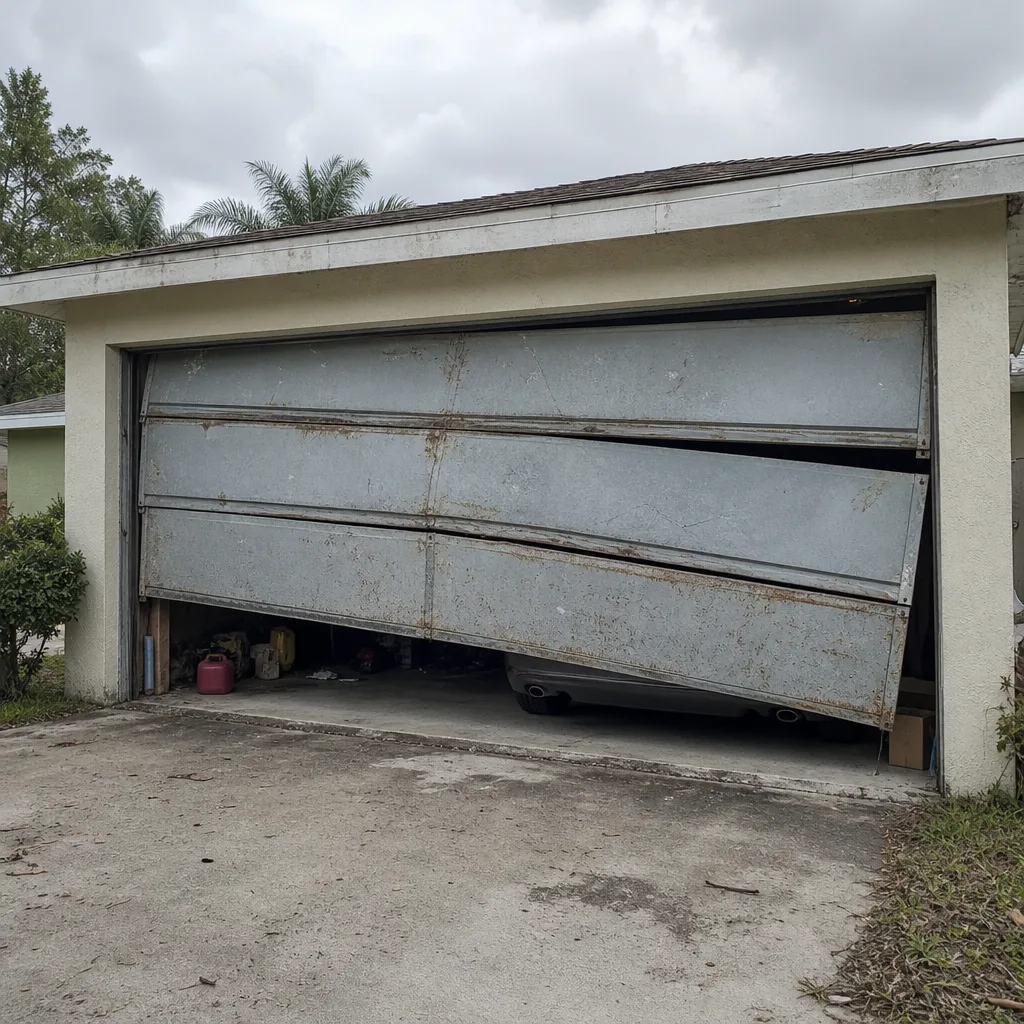 Before
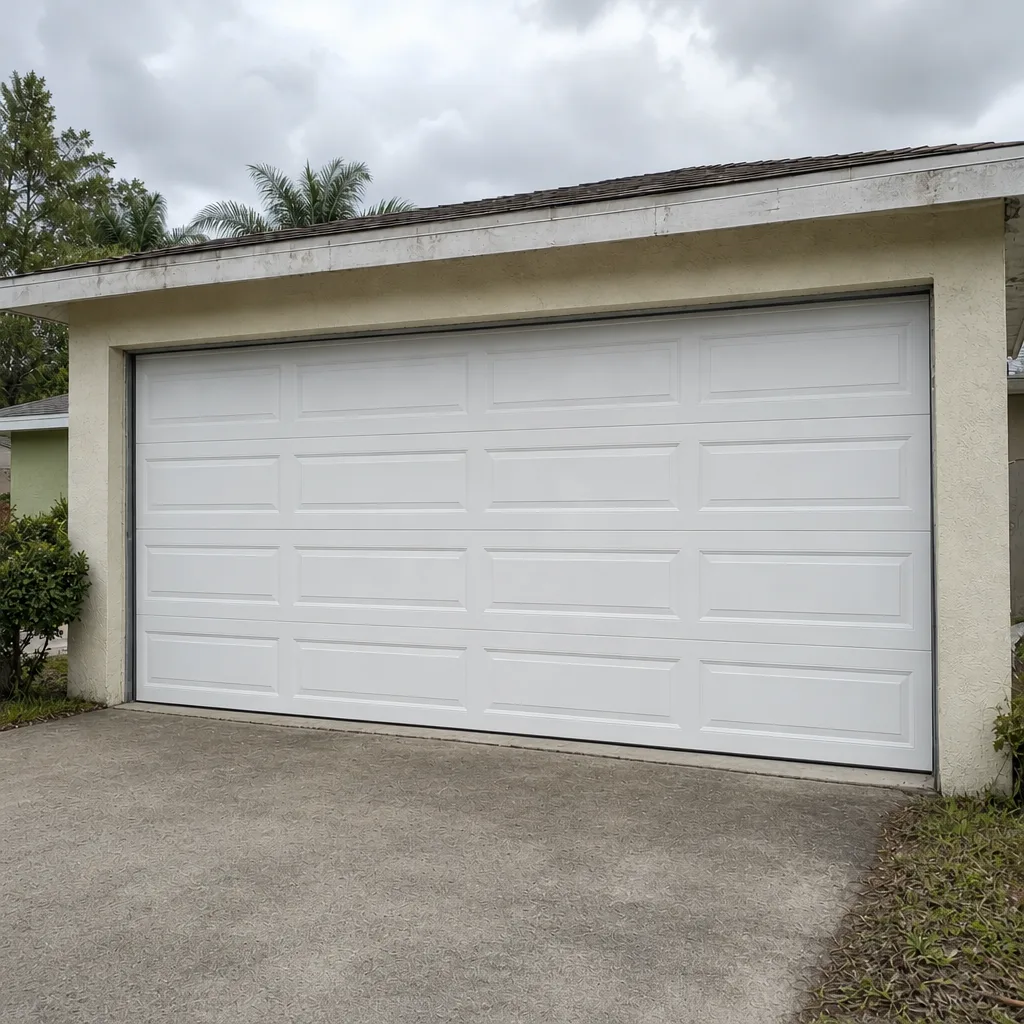 After
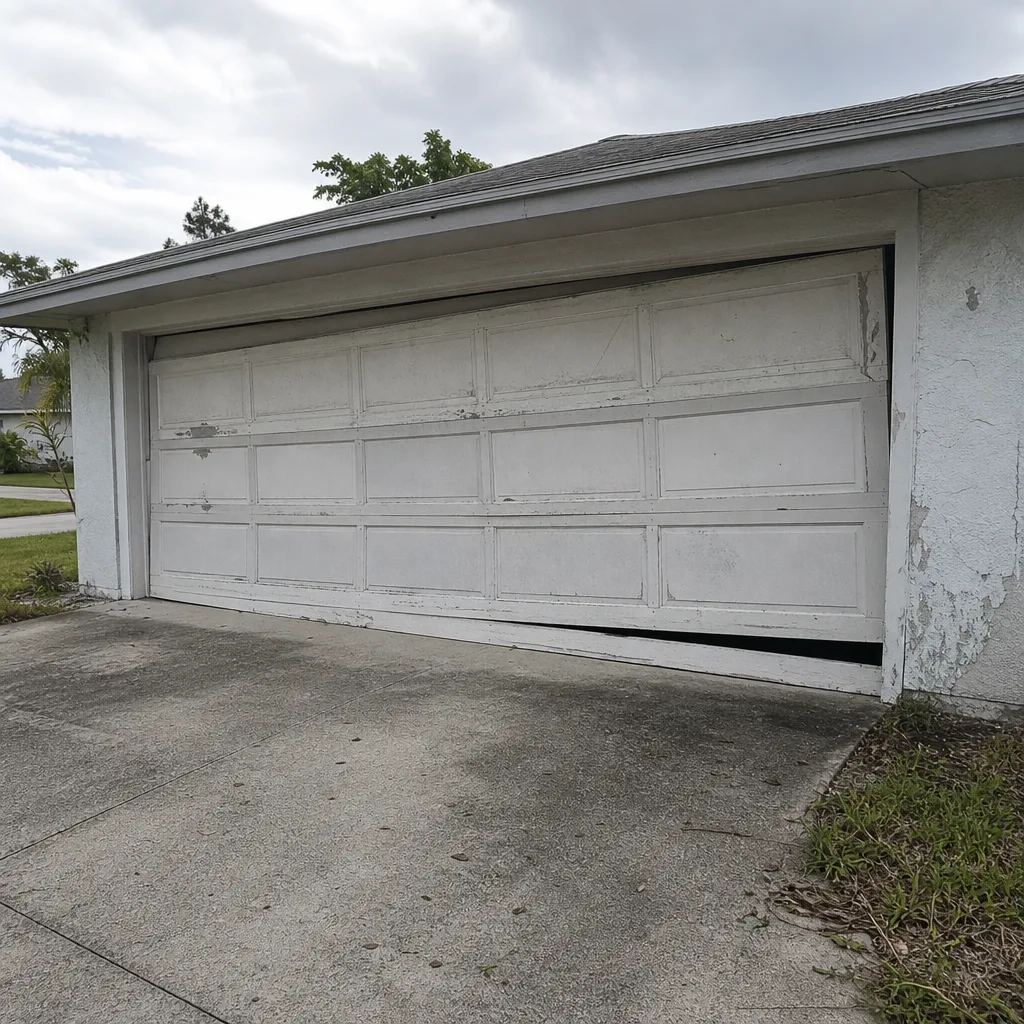 Before
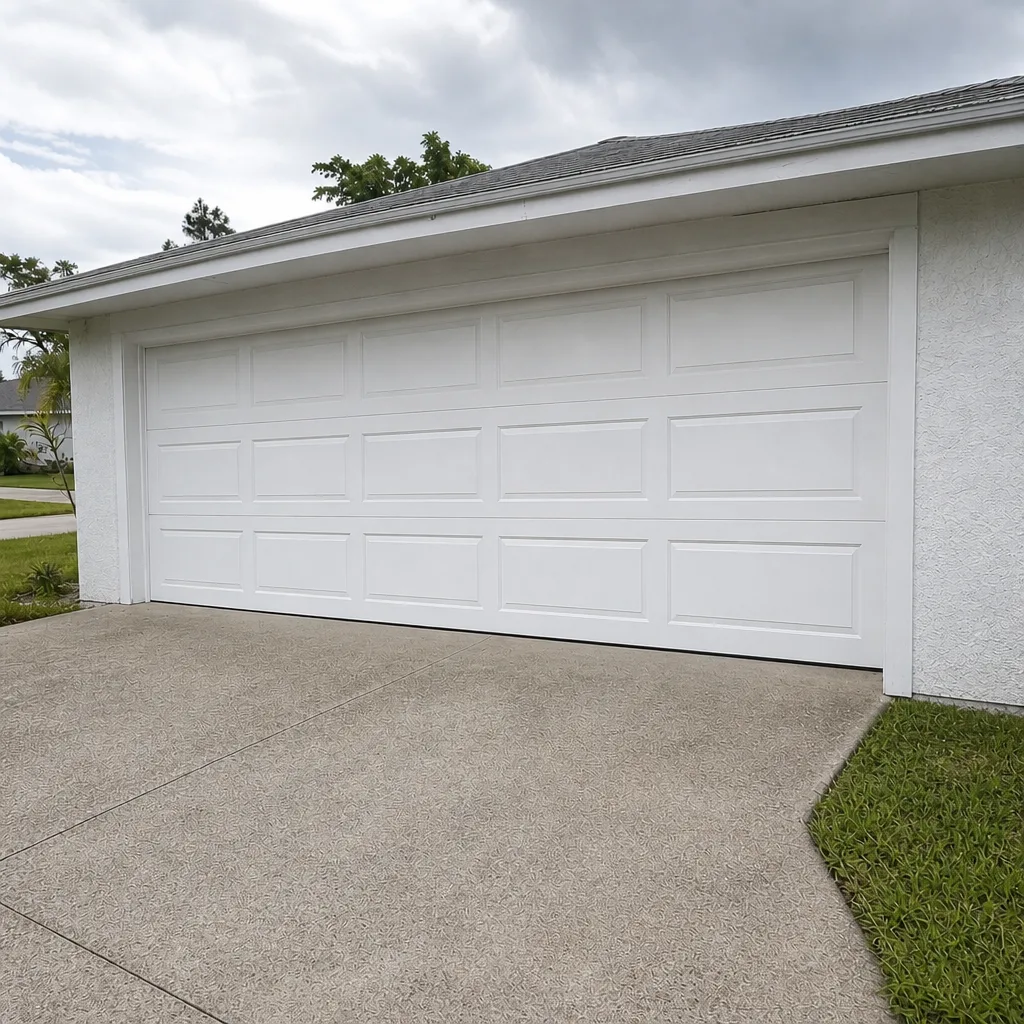 After
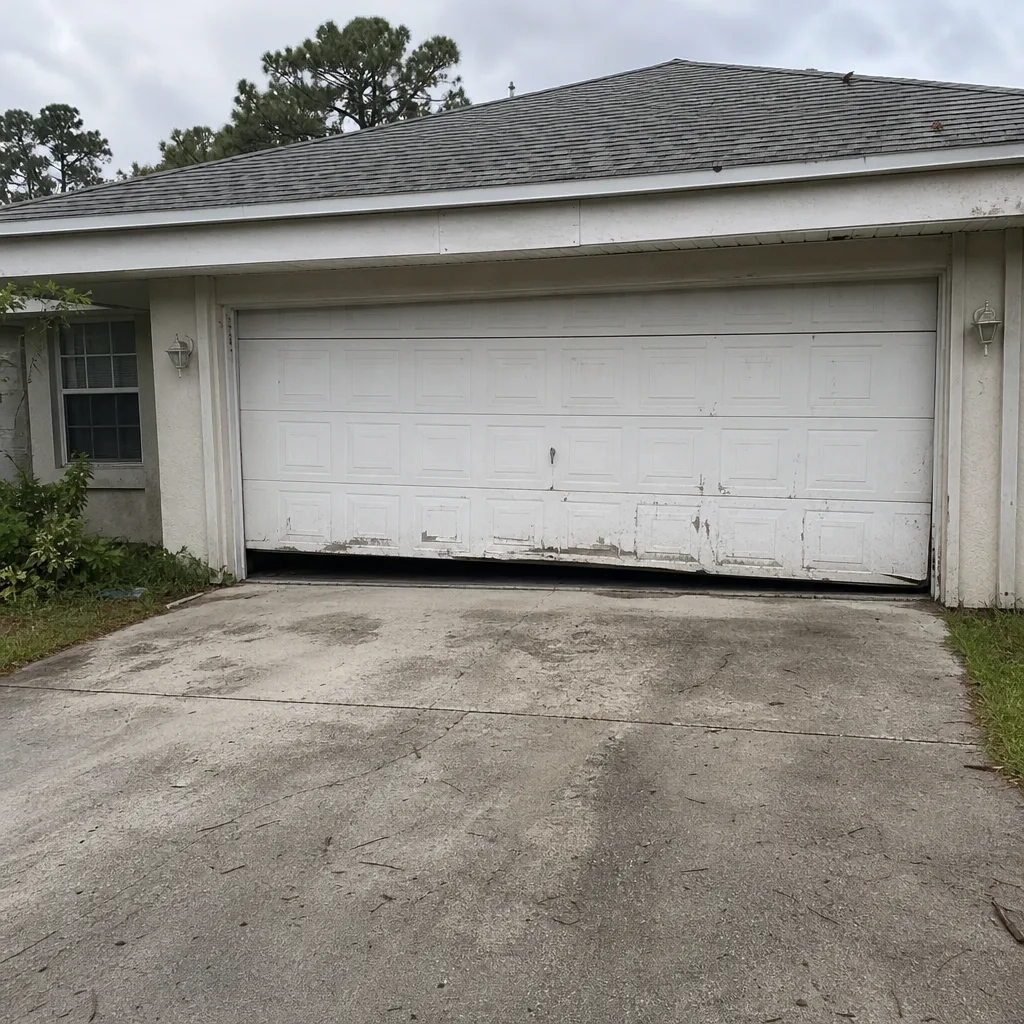 Before
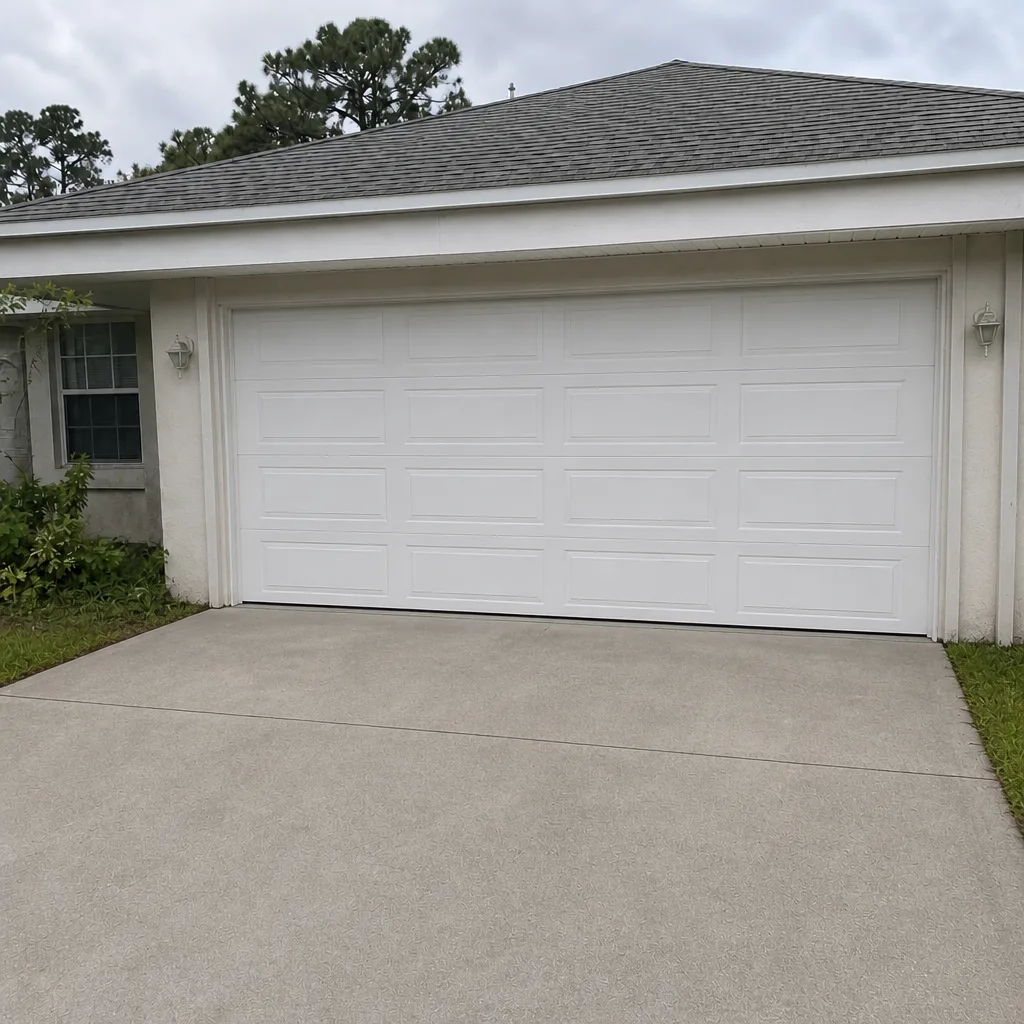 After
When to Call a Professional
Call a professional when the task involves springs, cables, or track realignment, and call immediately if the door is stuck in a partially open position or the cables are visibly frayed. Also call if the door reverses for no reason after photo-eye alignment, if the opener strains or stops mid-travel, or if the springs are more than a few years old and the door has started to feel heavy. If you’ve already tried a repair and it didn’t resolve the problem, that’s a sign the diagnosis was incomplete; a trained technician can usually find the actual cause in the first ten minutes. Pilgrim Garage Door Repair offers free estimates in Lehigh Acres. Call (844) 522-0595. We answer 24/7, with fast dispatch from 7am to 7pm.
Frequently Asked Questions
No. Torsion springs are under high tension, and winding them safely needs specific tools and procedures that tutorials don’t reliably convey. The risk of serious injury is real, and a mistake usually means a bent door as well as a service call. Call a professional for spring work.
Look at the two small sensors near the floor and confirm both indicator lights are solid. If they flicker or are off, wipe the lenses, check the wiring, and align the brackets. If the door still reverses, the issue is often in the opener’s travel or force settings, which is a professional check.
Most garage door repairs don’t require a permit, but rules vary by jurisdiction and change over time. Before a structural change, ask the city’s building department to confirm. Repairs that only replace existing components typically don’t trigger a permit.
For lubrication, sensor alignment, and remote programming, yes. For springs, cables, or track realignment, no, once you count the risk of injury, damaged parts, or a second repair. The parts are rarely the expensive part; the consequences are.
Routine DIY work usually doesn’t affect a policy. But if a failed DIY repair damages the door, the track, or the surrounding frame, an insurer reviewing a claim will want to see that the work was done properly. Professional documentation makes that easier.
Start with the power source, the wall control, and the photo-eyes. If the opener has power but the door doesn’t respond, the issue is usually in the opener’s logic board or the safety circuit, not the door itself. Don’t keep cycling the opener; if it makes a grinding sound, stop and call for service.
If you’re not sure which side of the line your job falls on, call (844) 522-0595. We answer 24/7, with fast dispatch from 7am to 7pm, and the estimate is free.
The Bottom Line
The DIY-versus-professional choice on a garage door isn’t about skill. It’s about whether the task has an acceptable consequence if it goes wrong. Lubrication, sensor alignment, remote pairing, and visual inspection are worth doing yourself, and doing them regularly heads off most service calls. Spring work, cable replacement, and track realignment belong in professional hands because the cost of a mistake is measured in safety, not dollars. Lehigh Acres heat and humidity add a little nuance to the weatherstripping and lubricant questions, and the permit and insurance angles are worth understanding before any structural work. When in doubt, a free estimate gives you a professional diagnosis without committing to the repair. That’s usually the cheapest way to find out whether the job was ever a DIY candidate.
Call Pilgrim Garage Door Repair at (844) 522-0595 for a free estimate. We answer 24/7, with fast dispatch from 7am to 7pm.
Written by the team at Pilgrim Garage Door Repair.